


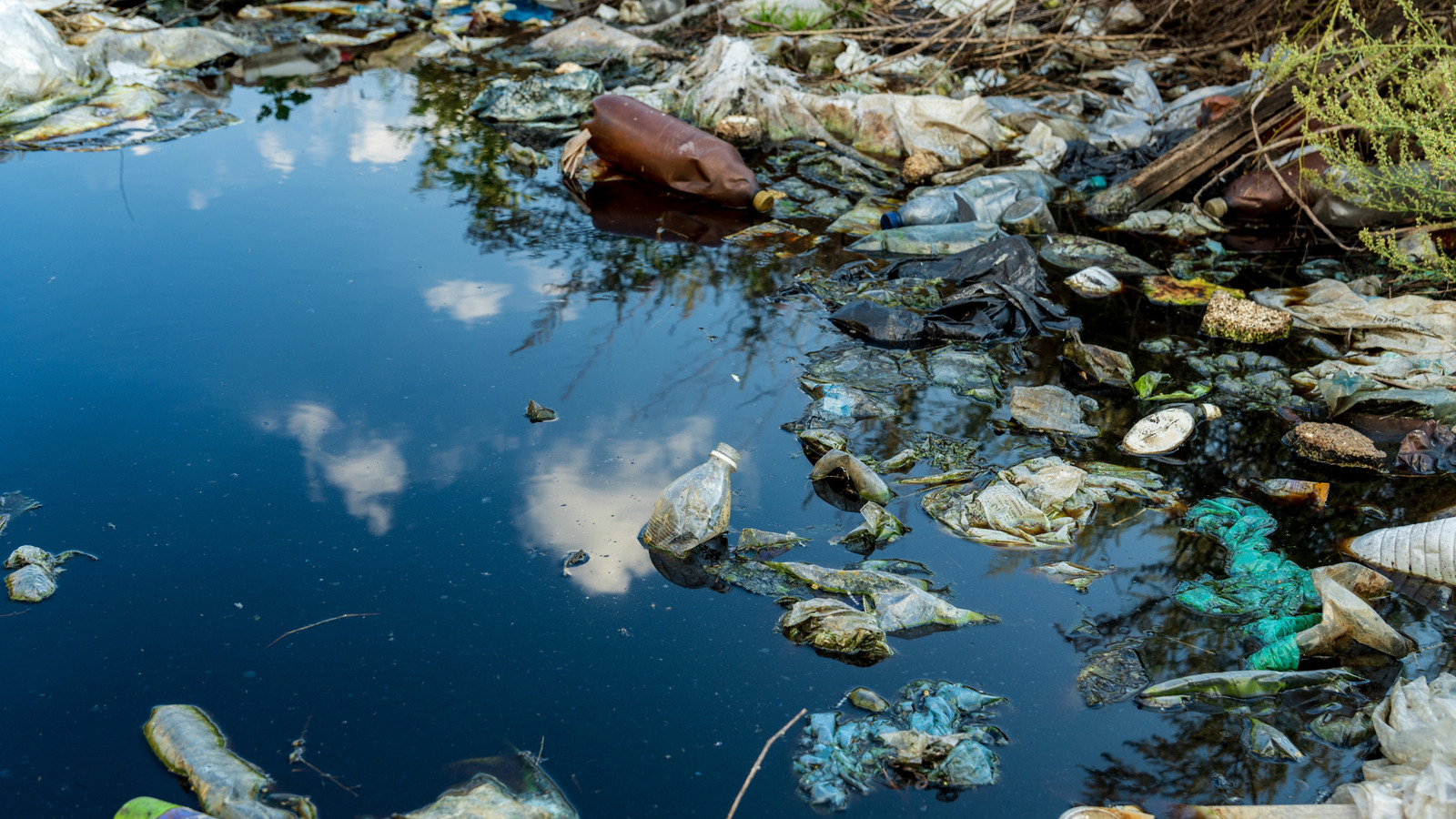
With millions of tons of plastic covering the seafloor, and more added every year, plastic pollution in the oceans is a major problem. With this amount of waste, we are ruining Earth’s oceans and shorelines, but due to the scale of the problem, the ongoing addition of plastics, and it being in hard to reach locations, it’s a difficult problem to tackle. Thankfully, there may be hope in the form of an autonomous robot that’s helping to tackle this gigantic problem.
The project, called SeaClear2.0, is a group of autonomous robots with different specialties in how they navigate, identify, and clear plastic pollution. It began in January 2023 and will be ongoing through December 2026. It builds off of the success of the original SeaClear project, which was active from January 2020 until December 2023.
Though the SeaClear projects have been in place for five years now, they are still in a stage of constant testing and innovation. The effort has brought together an international team of partners within the business, technology, research, and non-profit worlds from Croatia, Cyprus, France, Germany, Italy, the Netherlands, Romania, Spain, and Israel. Consistently pushing forward, the SeaClear2.0 project is hoping to revolutionize the way we deal with plastic pollution in our oceans.
SeaClear2.0’s fleet of robots
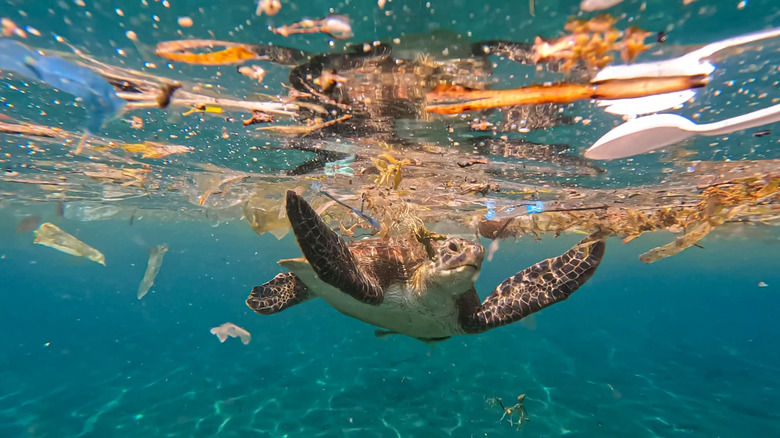
The robotic system of SeaClear2.0 consists of six remote and autonomous robots. Tackling the sky is a drone called the SeaHawk, which helps to identify areas of litter. On the surface of the water are three uncrewed surface vehicles. The first is the SeaCAT USV which can be both autonomous or remote-controlled. It is the central point of communication and coordination for the project that delegates which robots should go where for plastic clean up.
The SeaDragon is the second USV. Smaller and lighter than the SeaCAT USV, it works closely in tandem with the SeaCAT. When the SeaCAT is ready to unload the pollution it has collected, the SeaDragon docks with it and collects the plastic. Then, the SeaDragon sails on its own to the coast to unload at predetermined locations. The third USV for this project is the SeaBee. It is made up of two mini robots that tow a net between them which collects floating debris.
There are also two robots that work under the water. The Smart Grapple is connected to the SeaCAT and works autonomously, able to use thrusters to move about underwater. It can grab plastic litter and bring it back up to the SeaCAT. The final robot is the Mini TORTUGA ROV (Remotely Operated Vehicle). ROV technology has been used in the past to catch a strange fish with a transparent head. It will map the sea floor to send information to the SeaCAT about where plastic is.
The scale of the SeaClear2.0 project
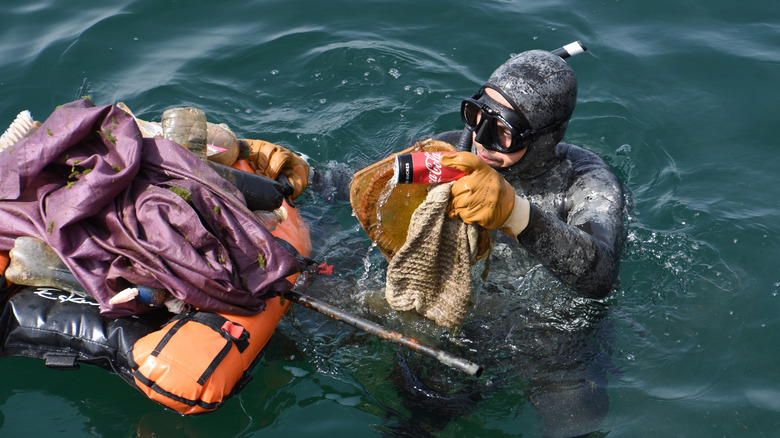
The SeaClear2.0 project isn’t just about leaving the robots in the ocean and seeing how much they can clear. There is a targeted, mission-centered approach in regards to the challenges each region faces. For example, a stakeholder workshop in Marseilles, France in September 2025 dove into the problem of plastic waste from the Rhône ending up in the surrounding sea and shorelines. The dense population of Marseilles, high levels of tourism, and lack of strong waste management infrastructure were all items highlighted in the workshop.
These problems were then translated into actions SeaClear2.0 could take. A analysis needs to be done to determine the high-impact areas of waste and how it moves around the city. For example, the problem of e-scooters and rental bikes being tossed into the water through vandalism is something the SeaClear robots can remove. There is also a large-scale effort to push for policy and operational changes, such as improving city waste management practices and reducing the amount of single-use plastics sold.
Through workshops and publications like this, SeaClear has positioned itself not just as an innovative robotic system, but an international mission focused on tackling the source of the problem and not just the outcome. When SeaClear2.0 comes to a close at the end of 2026, it will be fascinating to see the impact all the work has had. Especially as others, like this inventor turning plastic into fuel, work tirelessly to tackle the same problem.
