


-
Trump called for a one-year cap on credit card interest rates at 10%.
-
For years, limited regulation has allowed companies to charge high rates, and consumers have fallen further into debt.
-
Some lawmakers have said they would pass legislation capping interest rates.
Americans are racking up credit card debt, and it’s costing them even more to get rid of it.
It’s a piece of the affordability debate that has caught the attention of both parties.
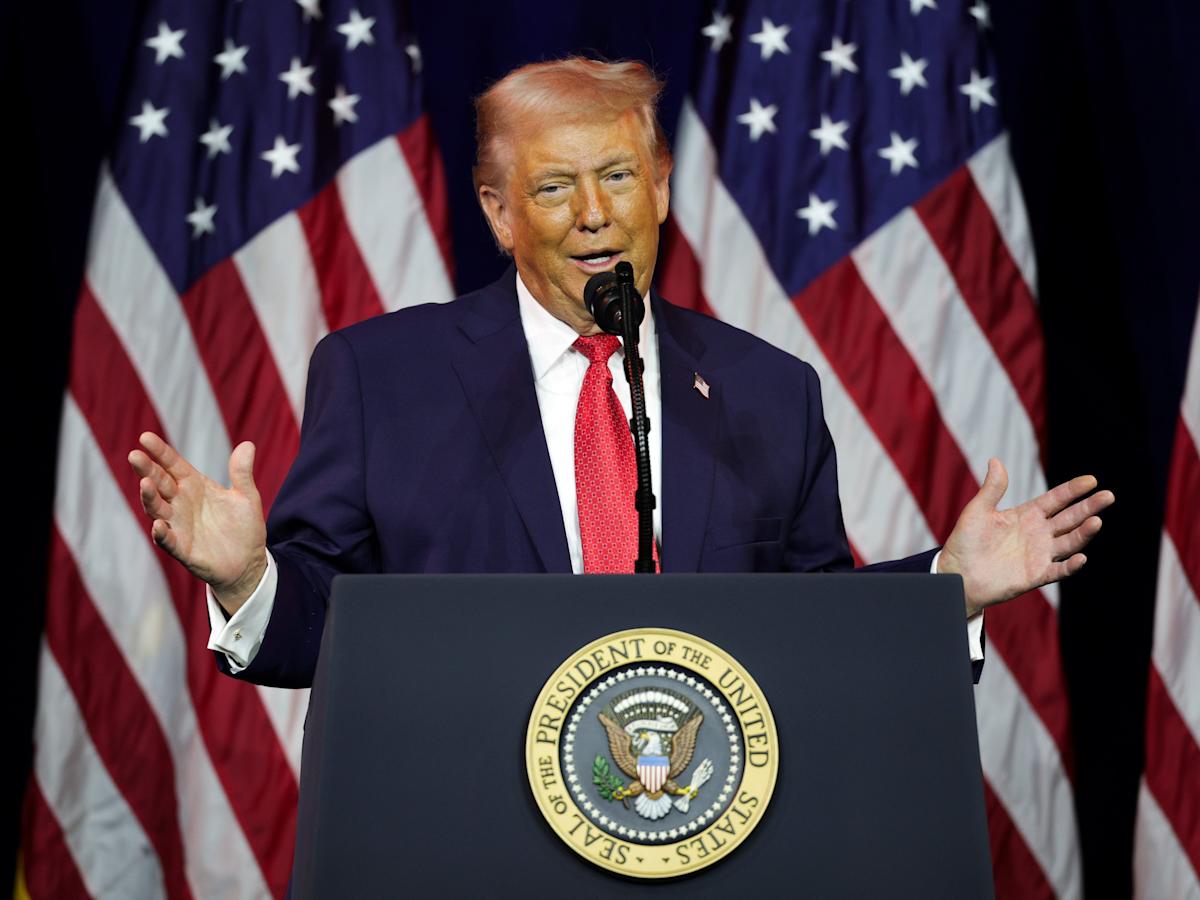
In a move that has been pushed for by lawmakers across the aisle, President Donald Trump on January 9 called for a one-year, 10% cap on credit-card interest rates. He wrote in a Truth Social post that he would call for the cap to begin on January 20.
“Please be informed that we will no longer let the American Public be ‘ripped off’ by Credit Card Companies that are charging Interest Rates of 20 to 30%, and even more, which festered unimpeded during the Sleepy Joe Biden Administration,” Trump wrote.
Are you struggling with credit card debt, or have a story to share about credit card interest rates? Contact these reporters at [email protected] and [email protected].
The easiest path for Trump to cap interest rates would be through congressional legislation. While it’s unclear if the proposal would make it through Congress and onto the president’s desk, given that similar legislation has yet to become law, Sen. Elizabeth Warren signaled she would work with the president on making it happen.
Warren said in a statement that during a Monday call with Trump, she “told him that Congress can pass legislation to cap credit card rates if he will actually fight for it.”
However, beyond the mechanics of the proposal, the underlying sentiment — that credit card companies have “ripped off” consumers by charging excessive interest — is an issue that has plagued the US for decades as debt loads continue to rise.
In the third quarter of 2025, the most recent period for which data is available, credit card debt reached a record high of $1.23 trillion — a $24 billion increase from the previous quarter and a $67 billion increase from Q3 2024.
Credit card companies took issue with Trump’s proposal. A joint statement from the Bank Policy Institute, American Bankers Association, Consumer Bankers Association, Financial Services Forum, and Independent Community Bankers of America said that the “cap would only drive consumers toward less regulated, more costly alternatives” such as personal and payday loans. Banks typically use higher interest rates to compensate for customers who may not be able to repay their loans.
