


What Is Your Collection Worth? How to Value and Protect Your Assets keeps showing up in conversations for a reason. The story below covers what is actually happening, where the trade-offs sit, and what a careful reader should take from it.
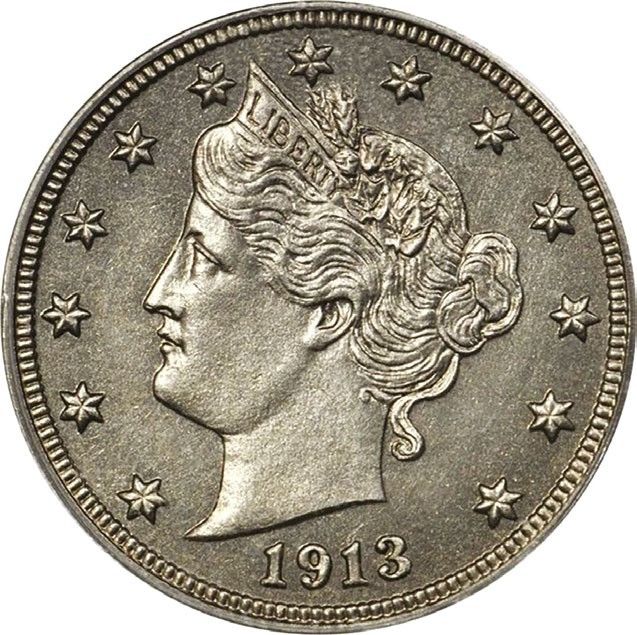

This 1913 Liberty Head Nickel sold in 2018 for $4.5 million.
Kathryn McMiller and her siblings inherited dozens of collections from their parents, including coins, stamps, fly swatters and more than 400 vintage toothpick holders. There may be significant value in some of those items, but determining how much and how to monetize them is a chore that has dragged on for years.
“I wish they had got rid of this stuff a long time ago,” says McMiller, a retired expert in managing health information.
For disciples of the Japanese de-cluttering guru Marie Kondo, disposing of such beloved collections may be a snap. But many people, even in old age, find that their collections still spark joy and they are reluctant to give them up. To make things easier for heirs, such collectors should take steps now to avoid the risk that valuable heirlooms end up at Goodwill or in a landfill.
Article continues below
Sign up for Kiplinger’s Free Newsletters
Profit and prosper with the best of expert advice on investing, taxes, retirement, personal finance and more – straight to your e-mail.
Profit and prosper with the best of expert advice – straight to your e-mail.
The first step is to curate. Then sell or give away items that don’t hold sentimental value. Then make an inventory of what you’re keeping. Save copies digitally and on paper. Make sure your heirs know how to find them and can decipher your notes.
That inventory should include specific descriptions of each item and, ideally, your estimate of what you paid and how much it’s worth now. The value of many items can vary enormously depending on condition and origins. A like-new copy of the original Beatles “Revolver” album produced in 1966 may sell for hundreds of dollars, for instance. A 2022 reissue can be found for about $20.
If you believe that your collection could be worth tens of thousands of dollars, consult a lawyer to make sure it is properly described and included in your will or trust, advises Amber D. Hughes, a lawyer in the Phoenix office of Dickinson Wright. That may spare your family squabbles and legal fees. Requirements vary by state.
A valuable collection should also be insured. The insurance appraisal provides a rough idea of a collection’s value, although it often overstates the amount it would fetch in an auction, says Jennifer Jones, a senior director at Phillips Auctioneers.

Rare toothpick holders like this, made in 1903 by Indiana Tumbler & Goblet Works, have sold at auctions for up to $15,000.
Your heirs are likely to sell at least part of your loot, so make sure they know where to get help in valuing and selling items. Dealers tend to offer peanuts to sellers ignorant about value. Sellers with wildly exaggerated ideas about value annoy potential buyers.
Provide names of experts you trust, including dealers, auction houses and collectors. Include notes on the most trusted sources of published price data for whatever you collect.
Another option is to find an institution willing to accept your collection as a donation when the time comes. Michael Melnick, a dentist in Pittsburgh, has arranged to give his 600 or so elephant figurines to the Elephant Sanctuary in Hohenwald, Tenn.
Here are basics for collectors and their heirs to know about various collectibles:
Antiques
Look for groups of collectors who can provide information on values and selling methods. Yes, there is a National Toothpick Holder Collectors’ Society. Judy Knauer, the founder, says a rare specimen sold for $13,500 last year, but many are worth little or nothing.
Antique collectors and dealers say prices generally have fallen in recent years as fewer young people crave things such as 19th-century armoires. But demand for antique luxury watches has been very strong, says Jones of Phillips.
Items that look unimpressive occasionally can be worth large sums. Lois Jurgens of Holdrege, Neb., turned an old crock over to an auction house in January. She thought it might fetch $100. Instead, it sold for $32,000. The auctioneer, Ken Bramer, says it was a very rare item from Red Wing, Minn., with strong appeal to collectors.
Art
Auction houses typically will take a look at your paintings or other artwork and give a rough estimate of value, says Todd Imhof, a Dallas-based partner at Heritage Auctions. (You’ll pay for more formal appraisals, such as those used in probate.)
Artnet provides a subscription-based database of auction results. Make sure to keep careful records of such things as how much you paid for a work, who owned it previously and whether it was authenticated, restored or reframed.
Books
Older isn’t necessarily more valuable. Old Bibles abound, for instance. “If the Bible is from the 18th century or later, it’s unlikely to be very valuable,” says Alexander Akin, a partner at Bolerium Books and president of the Antiquarian Booksellers’ Association of America, or ABAA.
The same goes for centuries-old tomes on obscure religious quarrels or other topics of little current interest.
You will be lucky to give away encyclopedias, Reader’s Digest condensed books or almost anything soiled or tattered. Books originally sold through book clubs tend to be worth much less than first editions sold through bookstores. If you can prove that a famous person owned it, almost any book could be valuable.
Among respected published sources of information are Collected Books: The Guide to Values and First Editions: A Guide to Identification. Online sources include viaLibri and Biblio.
The ABAA website’s frequently asked questions section provides a general guide for valuing and selling books
Coins
Almost every day, people ask Doug Mudd, director of the American Numismatic Association’s Money Museum in Colorado Springs, Colo., a variant of this question: Is this old coin worth a fortune? “Eighty percent of the time it’s not worth a whole lot,” he says, though it’s definitely a question worth asking.
Those jars of foreign coins you brought home long ago? Probably worth almost nothing unless they are old enough to be made of a precious metal or rare enough to be of interest to serious collectors.
You might be able to give them to a local dealer who can use them as free handouts for kids. For U.S. coins, The Official Red Book from Whitman Publishing provides a good general idea of value, Mudd says. The numismatic association’s website has a directory of dealers in good standing.
Sports cards
Auction houses with expertise in cards and other sports memorabilia include Lelands and Heritage. They can provide free value estimates, but are unlikely to auction items or collections expected to fetch only a few hundred dollars.
Among the most valuable items are baseball cards from before 1970, the older the better. Look especially for rare rookie cards of people who later became huge stars.
Beckett Media and the Card Ladder website offer information on prices. Forensic Card Grading and Collectors Holdings Inc.’s PSA service can assess the condition of your cards, a big factor in value.
Stamps
The Scott Standard Postage Stamp Catalogue, available at many public libraries, can give you at least a rough idea of value, says Ken Martin, an expert on stamp authentication at the American Philatelic Society.
He cautions that the value of a stamp can depend on tiny differences in dimensions or printing methods and materials — things most people couldn’t see even with a magnifying glass. Consult trusted collectors or dealers. The Robert A. Siegel Auction Galleries website lists actual prices paid at auctions.
Vinyl records
Though old vinyl records have regained popularity, only a small percentage of them are worth more than a dollar or two. Forget about cashing in on Ray Conniff or Barbra Streisand albums, which clog millions of attics and basements.
Demand is far stronger for high-quality vintage albums by jazz, rock, soul and blues artists who have retained large numbers of record-buying fans. The works of Nick Drake and Judee Sill, produced in small quantities and little-noticed during their lifetimes, can now sell for hundreds or even thousands of dollars. The site is a good source of information on asking prices and, in many cases, actual sales prices.
Steve McClaning, a retired wholesale food salesman in Pittsburgh, was downsizing a few years ago and had no heirs eager to inherit his vinyl collection. He went to his favorite local dealer, Jerry’s Records, and sold nearly 1,000 records for an average of around $3.50 apiece, a price he considered fair, even though perhaps only a third of retail value. He kept around 50 of his favorites, including Marvin Gaye’s “What’s Going On.” The sleeves for those records decorate a wall in his home office.
Note: This item first appeared in Kiplinger Retirement Report, our popular monthly periodical that covers key concerns of affluent older Americans who are retired or preparing for retirement. Subscribe for retirement advice that’s right on the money.
