


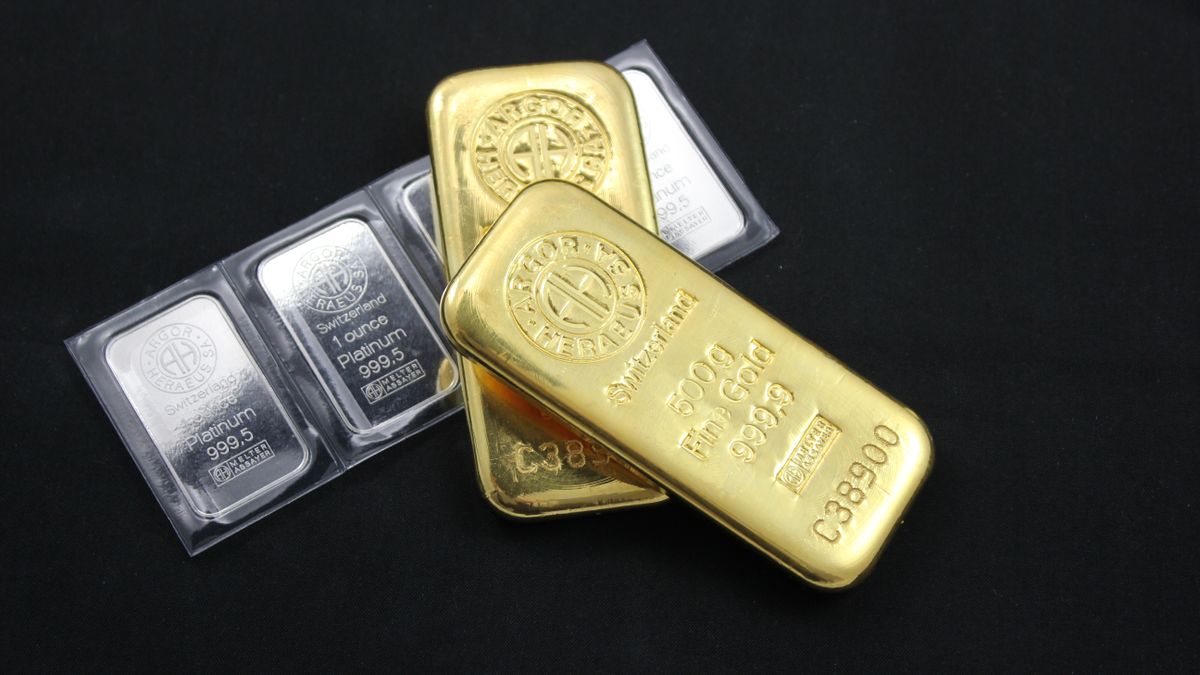
The gold price in 2026 has had a dramatic year. The metal touched an all-time high near 5,595 dollars an ounce in late January, then drifted lower through the spring as some geopolitical tensions eased, trading in a wide band roughly between 4,000 and 4,550 dollars by June. For savers in markets where gold is a traditional store of value, the pullback raises an obvious question: is this a chance to buy, or a sign the rally is over?
Why the gold price in 2026 pulled back
Gold tends to climb when investors are nervous and fall when they relax. The record high earlier in the year was driven by geopolitical uncertainty, heavy investment demand, and large purchases by central banks in emerging markets. As some of that fear faded, a portion of the safe-haven premium came out of the price. A pullback after a record run is normal market behaviour, not necessarily a reversal.
What the big banks expect
Forecasts for where gold ends 2026 vary widely, which tells you how uncertain the outlook is. One major bank reaffirmed a target of around 5,400 dollars an ounce, while another projected a range of 6,000 to 6,300 dollars by year end, and a third also pointed to roughly 6,000 dollars. These are forecasts, not promises, and analysts can be wrong in both directions. The common thread is that most expect continued support from central bank buying and the prospect of interest rate cuts.
How savers can think about it
Gold pays no interest and generates no income, so its role in a portfolio is usually protection rather than growth. Many financial planners suggest treating it as a small slice of overall savings rather than the main event. Buying gradually over time, sometimes called cost averaging, can soften the risk of putting money in right before a dip. For those who prefer not to store physical metal, digital gold products and gold-backed savings plans now let you start with very small amounts.
Watch the real drivers
If you are weighing a purchase, keep an eye on the forces that actually move the price: the path of interest rates, the strength of the dollar, inflation, and whether central banks keep buying. Falling rates and a weaker dollar tend to help gold, while calmer geopolitics and rising real yields tend to weigh on it.
The bottom line
The gold price in 2026 is well off its peak but still historically high, and opinions on its next move are genuinely split. Gold can be a useful hedge for part of your savings, but chasing it after a record run carries real risk. Decide how much protection you want, size the position sensibly, and avoid betting more than you can afford to see fall. This article is for general information and is not financial advice.
Image: Pexels (free to use)
