


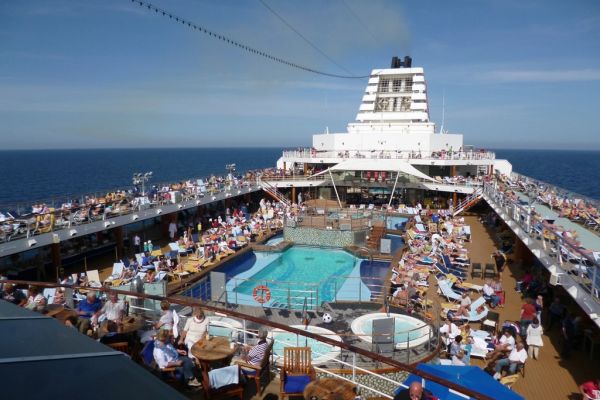
For many people, the dream of early retirement involves settling down in a quiet seaside town or traveling the world at a leisurely pace. However, an increasingly popular alternative is the decision to live on cruise ships full-time, trading traditional real estate for a life of continuous ocean travel. This unconventional lifestyle, once seen as a luxury reserved only for the ultra-wealthy, is now being adopted by thrifty retirees who have calculated that ocean living can occasionally cost less than maintaining a mainland household.
When evaluating the financial viability of this lifestyle, it is essential to look beyond the initial ticket price. Living on the water full-time requires a deep understanding of how cruise lines package their fares, as well as the hidden costs that can quickly drain a retirement nest egg. While some individuals manage to transition to maritime living with modest savings, careful planning is necessary to ensure that your funds last as long as your wanderlust.
The Real Cost to Live on Cruise Ships Full-Time
To successfully live on cruise ships full-time, retirees must balance the base fare of their cabins with daily incidentals. Base fares typically cover accommodation, basic meals, and onboard entertainment. According to industry reports, these base rates can range from forty dollars to more than one hundred dollars per day, depending on the cruise line, the season, and the type of cabin selected. Internal staterooms are significantly cheaper than balcony suites, making them the preferred choice for budget-conscious long-term travelers.
However, the base fare is rarely the final price. Additional expenses such as port fees, mandatory crew gratuities, specialty dining, Wi-Fi packages, and laundry services can accumulate rapidly. For those planning their retirement budget, please remember this article is for general information purposes only and does not constitute formal financial advice. It is vital to consult a professional before making major life transitions. Experienced maritime retirees often recommend booking consecutive voyages on the same vessel, known as back-to-back cruises, to minimize travel logistics and secure loyalty discounts.
Comparing Maritime Living to Traditional Retirement
When compared to the expenses of maintaining a traditional home, ocean retirement offers several surprising financial advantages. Residents on cruise ships do not have to pay property taxes, utility bills, home insurance, or grocery costs. Furthermore, the built-in community on a passenger ship provides built-in social activities and entertainment, reducing the need for external recreation budgets. For many, the consolidation of these everyday bills makes ocean life highly competitive with land-based retirement in major metropolitan areas.
Despite these benefits, healthcare remains a critical variable for anyone looking to live on cruise ships full-time. While ships have medical centers, they are generally designed for temporary stabilization rather than long-term care, and treatment onboard can be incredibly expensive. Retirees must secure specialized international health insurance that covers medical evacuation, which adds a significant fixed cost to their annual budget. Ultimately, with meticulous tracking of daily expenses and a flexible travel schedule, living on the high seas can be a rewarding and financially viable path to early retirement.
Image: Openverse (public domain)
