


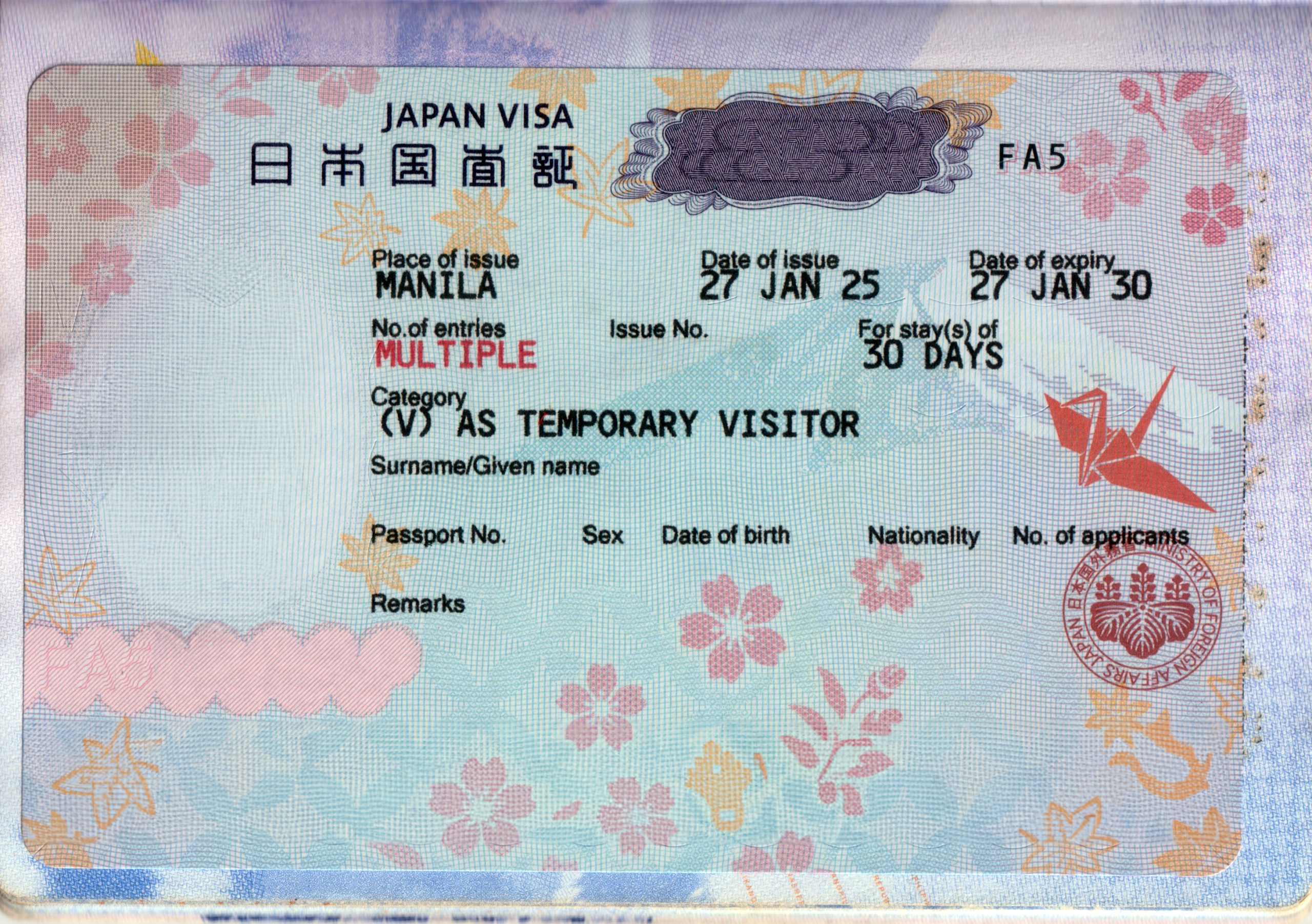
Securing long term status in East Asia has become an attractive goal for international professionals, entrepreneurs, and skilled workers seeking stability. Understanding the detailed japan permanent residency application procedure is essential for anyone looking to build a permanent life in the country without the constant burden of visa renewals. While the reward is significant, navigating the administrative system requires meticulous attention to detail, strict legal compliance, and long term planning.
One of the primary benefits of obtaining permanent status is gaining complete professional freedom. Unlike standard work permits that tie individuals to specific employment sectors, permanent status allows residents to change careers, start local businesses, or even take extended breaks from employment. Furthermore, financial institutions in the region are far more willing to extend credit, personal loans, and competitive home mortgages to individuals who hold legal permanent standing. Please note that this guide provides general information, and applicants should consult official immigration resources rather than treating this content as individual financial advice.
Key Steps for the Japan Permanent Residency Application
Meeting the foundational criteria is the initial barrier for every foreign resident. Generally, authorities require a continuous period of physical presence in the country, often spanning up to ten years for standard visa holders. However, highly skilled professionals and spouses of nationals can frequently qualify through expedited routes after shorter periods, sometimes ranging from one to three years. Continuous residence implies that applicants should avoid spending lengthy stretches outside the country during their qualifying years, as extended absences can reset the official tracking clock.
Financial independence and tax history serve as critical metrics during official evaluations. Bureaucrats examine tax records, pension contributions, and health insurance payments to ensure the candidate has consistently fulfilled all civic obligations on time. Reports indicate that even a single late payment for national health insurance or local municipal taxes can lead to an immediate rejection. Candidates must gather several years of official tax certificates and proof of social security contributions to demonstrate an uninterrupted track record of compliance.
Common Pitfalls and Best Practices for Applicants
Documentation errors remain one of the most frequent reasons for processing delays and application denials. Standard submissions require extensive documentation, including income statements, employment verification letters, asset proof, and personal background details. Additionally, every candidate must secure a local guarantor who is either a citizen or a existing permanent resident. This guarantor must submit personal income details and tax documents to endorse the candidate, making clear communication with your supporter vital throughout the filing process.
Maintaining active compliance while the evaluation takes place is equally vital. The processing period can extend from several months to over a year depending on regional immigration workloads. During this waiting period, applicants must keep their current resident visas valid, renew their existing permits on time, and inform immigration officials immediately if there are major life updates, such as job changes, address relocations, or marital status adjustments. Transparency is essential, as failing to report significant updates can jeopardize the entire evaluation.
In conclusion, successful applicants treat the submission process as a multi year strategy rather than a last minute paperwork task. Maintaining flawless tax records, building steady employment history, and preparing comprehensive legal filings significantly improve the odds of approval. By staying organized and following official guidance carefully, long term residents can transition smoothly into permanent status and enjoy sustainable professional growth.
Image: Openverse (public domain)
