


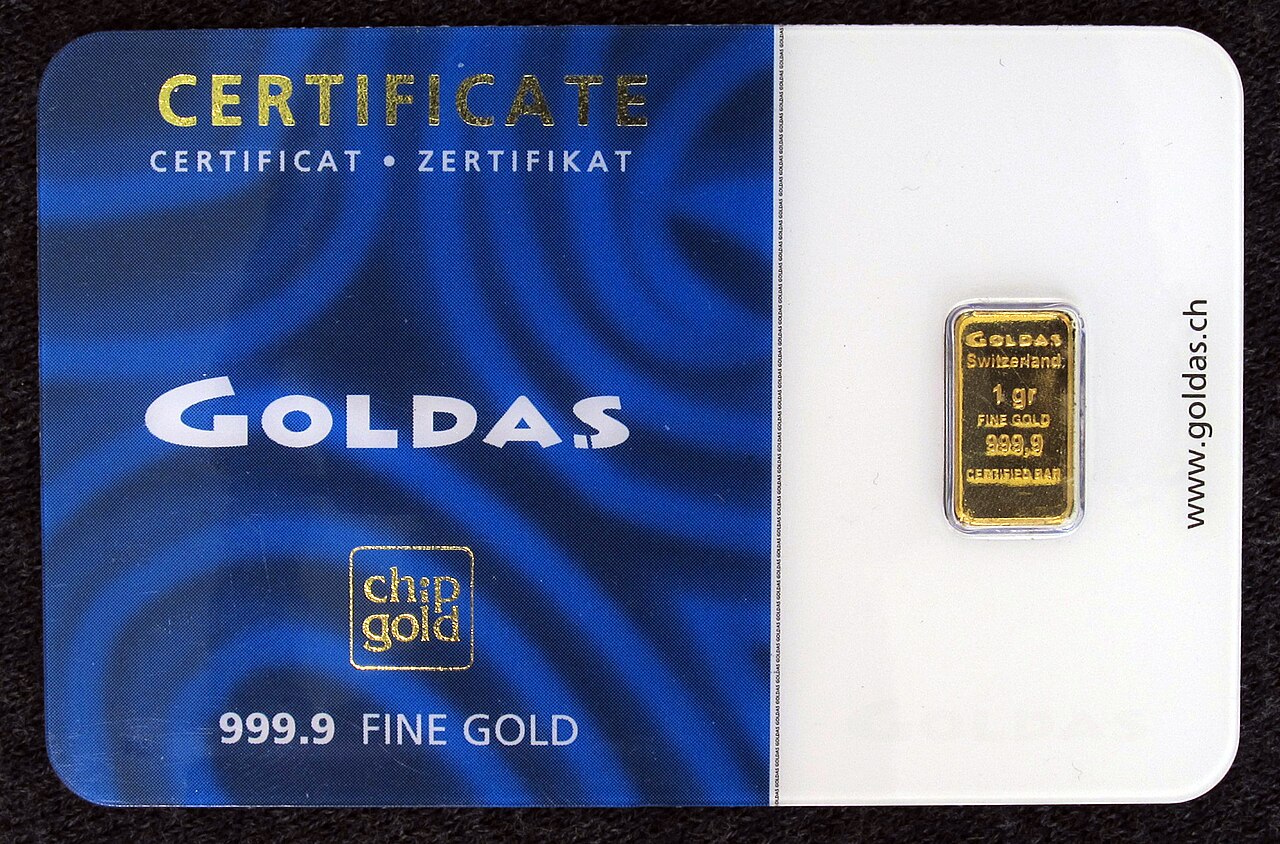
Investors and household savers closely track the gold price forecast to gauge how global economic shifts impact their personal net worth. Gold has long held a unique position in international markets, serving both as a store of value during times of monetary turbulence and as a core reserve asset for national banks. When economic indicators shift, the appetite for precious metals fluctuates rapidly across trading hubs in the Gulf, Asia, and Western financial capitals.
Understanding the current valuation of bullion requires a look at macroeconomic drivers rather than short term market noise. Price swings are often tied to international central bank policies, real interest rates, and foreign exchange movements. When major currencies experience volatility, market participants frequently move capital into tangible assets. This structural demand underpins physical trading markets, including the bustling gold souqs of the UAE and regional bullion clearing houses that supply consumer markets across South Asia and North Africa.
Key Drivers Behind the Gold Price Forecast
One primary element influencing any long term gold price forecast is the direction of benchmark interest rates set by leading global central banks. Because physical gold yields no recurring income or dividend, high real interest rates tend to increase the opportunity cost of holding the metal. Conversely, when monetary authorities signal rate cuts or when inflation outpaces yield returns, non-yielding assets become significantly more attractive to institutional fund managers and retail buyers alike.
Currency valuation plays an equally vital role in shaping international spot prices. Most precious metals are priced globally in United States dollars. A weakening dollar makes bullion relatively less expensive for buyers using other currencies, which often triggers an uptick in physical purchasing volume across emerging markets. Local currency pegs in the Gulf region keep retail prices closely aligned with international benchmarks, ensuring that domestic buyers experience price shifts almost simultaneously with global exchanges.
Central Bank Reserves and Retail Demand
Beyond interest rates and currency fluctuations, sovereign buying trends provide a continuous floor for global metal demand. Over recent years, monetary authorities in emerging economies have steadily increased their physical gold reserves to diversify their balance sheets away from foreign fiat currencies. Reports indicate that official sector purchasing has reached historical highs, reflecting a broader strategy to insulate national economies against geopolitical and financial shocks.
On the consumer side, physical demand remains strong in traditional purchasing regions. In parts of South Asia and the Middle East, gold serves a dual purpose as cultural ornament and liquid savings vehicle. High demand during festive seasons, wedding periods, and economic downturns keeps retail premiums active. Even when global spot markets consolidate, local physical demand can keep regional market activity robust and resilient.
Evaluating Bullion in a Modern Portfolio
For private investors reviewing their wealth strategies, gold is typically viewed as a strategic hedge rather than a speculative engine for rapid capital growth. Portfolio managers frequently suggest allocating a modest percentage of total net worth to precious metals to reduce overall portfolio volatility. Because gold often moves inversely to equities during market panics, holding physical metal or gold backed financial instruments can cushion broader wealth against severe market pullbacks.
It is important to remember that this analysis provides general educational information and does not constitute personalized financial advice. Individual risk tolerance, tax considerations, and investment time horizons should always dictate asset allocation decisions. Consulting a qualified financial advisor is recommended before making significant capital movements into physical bullion, exchange traded funds, or mining equities.
Storage Options and Market Liquidity
Acquiring physical precious metals introduces practical considerations regarding secure storage, insurance, and verification of purity. Investors in trading hubs like Dubai benefit from established vaulting infrastructure, regulated refineries, and standardized assay testing. Institutional buyers often prefer allocated storage in deep vaults, while smaller retail purchasers rely on personal safes or local bank deposit boxes. Ensuring clear chain of custody documentation remains essential for maintaining resale liquidity.
For those who prefer not to handle physical bars or coins, paper gold instruments present an alternative route to market exposure. Financial products such as exchange traded funds, sovereign gold bonds, and digital metal accounts offer exposure to bullion price movements without the logistical requirements of physical custody. However, investors should carefully assess management fees, tracking errors, and counterparty risks associated with synthetic or backed financial products.
What Investors Should Monitor Next
Looking ahead, market participants seeking to anticipate adjustments in the gold price forecast should watch upcoming macroeconomic data releases carefully. Inflation figures, employment metrics, and monetary policy commentary from major central banks will offer early signals regarding rate trajectories. Any unexpected shifts in international trade dynamics or global growth outlooks could prompt swift capital realignments across precious metal markets.
Additionally, monitoring physical demand trends out of major consuming nations will help clarify whether current price levels are supported by end-user buyers or driven primarily by institutional speculation. As global financial architecture evolves, gold continues to prove its enduring utility as an anchor for stability, liquidity, and wealth preservation across international markets.
Image: Wikimedia Commons (public domain)
