


Analyzing gold price trends remains an essential discipline for investors seeking stability in an uncertain macroeconomic landscape. Precious metals have historically served as a reliable sanctuary when inflationary pressures mount and traditional currency values fluctuate. For households and institutional investors across the Gulf, South Asia, and broader international markets, tracking these market movements provides crucial context for strategic asset allocation.
The value of precious metals is shaped by an intricate web of global financial forces. Interest rate decisions by major central banks play a significant role, as lower real yields tend to increase the attractiveness of holding non-yielding assets like physical bullion. Conversely, when yields rise, investors often weigh the opportunity cost of holding metal against interest-bearing sovereign bonds and defensive cash instruments.
Geopolitical stability, currency volatility, and central bank reserve purchasing strategies also act as primary drivers. In recent years, central banks in emerging markets have steadily built up their reserves, adding sustained institutional demand to the physical market. Understanding these macro drivers helps individuals move beyond daily price noise and evaluate long term valuation cycles.
Key Drivers Behind Shifting Gold Price Trends
To grasp how prices evolve over time, one must examine both physical demand and paper market trading. Physical demand stems largely from the retail jewelry sector, technology manufacturing, and direct consumer investment in bars and coins. Retail buying across regions such as India, the Middle East, and China traditionally spikes during cultural festivals and peak wedding seasons, creating predictable seasonal liquidity windows.
On the financial side, exchange-traded funds and futures contracts dictate short term price movements. Institutional flows into allocation products can rapidly shift the market equilibrium, driving sharp upward or downward momentum based on broader market sentiment. When broader equity markets experience downturns, capital frequently migrates toward precious metals to hedge against equity portfolio losses.
Currency movements, particularly those involving the United States dollar, maintain an inverse relationship with metal prices. Because bullion is globally priced in dollars, a weakening dollar generally makes the metal more affordable for international buyers using localized currencies, boosting global retail demand and supporting prices.
Role of Precious Metals in Portfolio Management
Financial planners routinely highlight precious metals as an effective diversification tool within a balanced investment portfolio. Because precious metals often exhibit low or negative correlation with equities and corporate bonds, holding a modest allocation can reduce overall portfolio volatility during sharp market contractions. Please note that this analysis is intended for general informational purposes only and does not constitute formal financial advice.
Investors typically choose between several avenues to gain exposure to the sector. Physical metal offer direct ownership without counterparty risk, though it requires secure storage and adequate insurance. On the other hand, financial instruments like index funds, mining shares, and sovereign gold bonds provide liquidity and ease of management without physical custody logistics.
Determining the appropriate allocation percentage depends heavily on individual risk tolerance, investment horizons, and specific wealth preservation goals. While defensive allocations can protect capital during inflationary periods, holding excessive amounts can drag on overall returns during prolonged stock market bull runs.
What Investors Should Watch Next
Looking ahead, market participants must monitor central bank policy shifts and upcoming economic growth metrics. If monetary authorities move toward rate cuts, reduced yield expectations could provide additional tailwinds for non-yielding assets. Conversely, sustained high interest rates may cap substantial upside momentum in the medium term.
Inflation data remains another vital indicator. Should consumer price indexes remain elevated above target levels, retail and institutional demand for inflation hedges will likely remain robust. Additionally, monitoring retail purchasing patterns in primary physical markets will provide insight into whether high prices are suppressing end-user demand or if consumer confidence remains resilient.
Ultimately, navigating precious metals markets requires a disciplined approach grounded in fundamental economic research. By tracking institutional reserve policies, currency fluctuations, and interest rate trajectories, investors can make well-informed decisions that align with their overarching financial goals and risk management strategies.
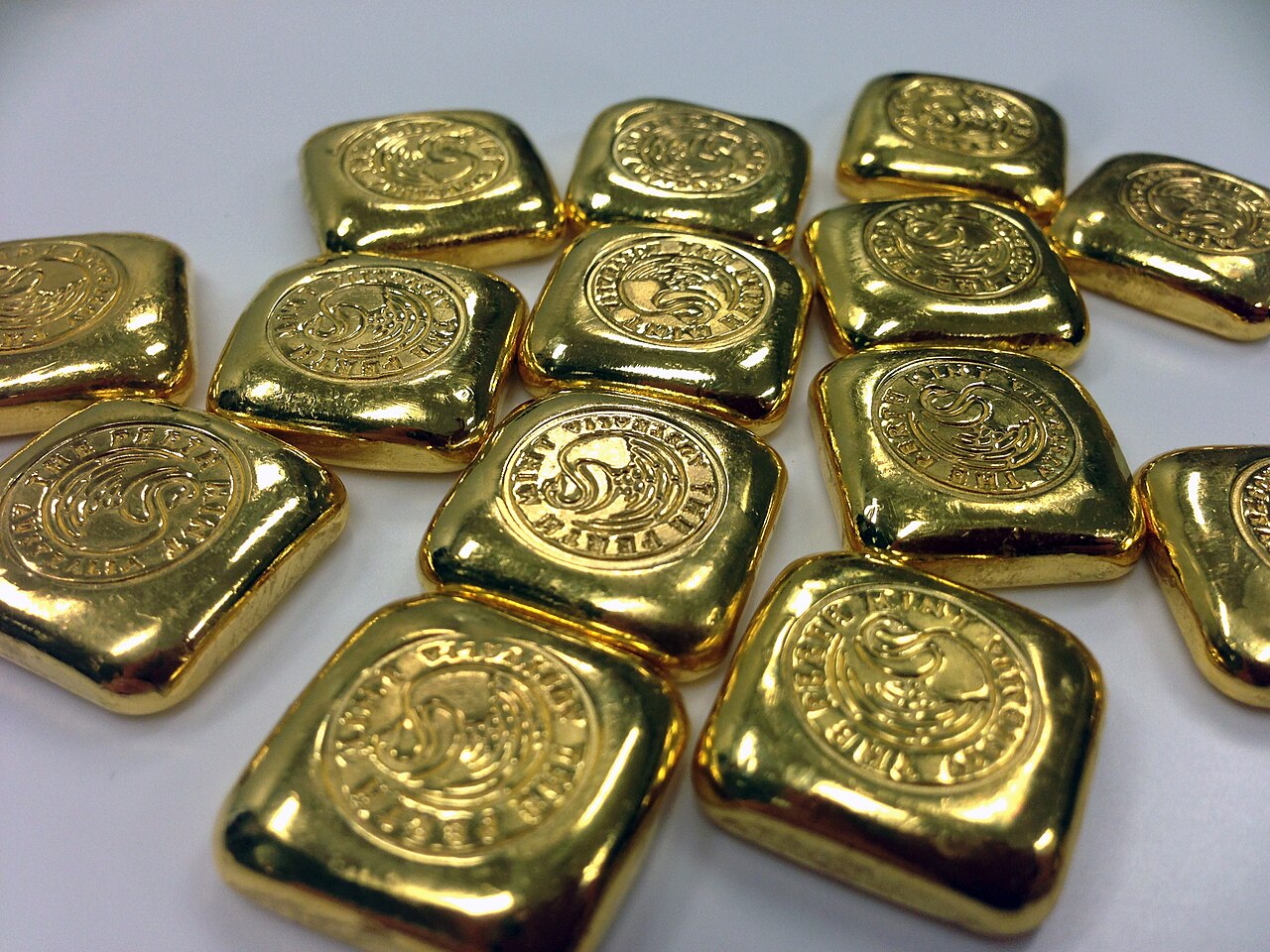
Image: Wikimedia Commons (public domain)
