


Modern farming is undergoing a massive digital shift as producers integrate agricultural technology AI into their daily operations. Historically, agricultural operations relied heavily on manual inspections and periodic physical checks to assess facility conditions and livestock well-being. Today, connected sensors and intelligent software are changing that dynamic by gathering continuous real-time data directly from inside livestock housing. These digital tools allow operators to detect subtle changes in facility environments before minor issues turn into costly operational disruptions.
The integration of advanced hardware and intelligent algorithms allows farmers to manage facilities with unprecedented precision. Instead of relying on periodic walk-throughs, facility managers can monitor crucial metrics such as temperature, air quality, water consumption, and power status through centralized digital dashboards. When systems detect a deviation from normal parameters, automated alerts notify staff immediately. This level of automation reduces the risk of equipment failure and helps maintain optimal conditions for livestock, ultimately improving animal health and operational efficiency.
Understanding the rise of agricultural technology AI
The rapid adoption of agricultural technology AI stems from the growing need for operational efficiency and labor optimization across the farming sector. Agriculture faces ongoing challenges, including rising input costs, fluctuating commodity prices, and persistent labor shortages. Smart monitoring platforms address these pressure points by automating routine surveillance tasks and turning raw environmental data into actionable insights. By eliminating the guesswork from daily facility management, technology platforms enable farm workers to focus their time on targeted interventions rather than manual monitoring.
These technological systems operate by connecting specialized sensors scattered throughout barn facilities to centralized processing units. These devices continuously record environmental variables and transmit the figures to secure cloud networks. Advanced analytics tools analyze the incoming data stream, establishing normal operational baselines and flagging anomalies automatically. Over time, these algorithms learn the unique patterns of individual facilities, delivering increasingly precise recommendations to farm operators.
Key operational benefits for livestock facility managers
One of the primary advantages of implementing intelligent farming solutions is proactive risk management. In traditional setups, a heating failure or ventilation breakdown might go unnoticed for hours, potentially jeopardizing animal welfare and causing significant financial losses. Modern alarm and monitoring systems detect environmental drops or spikes instantly, sending automated notifications directly to mobile devices. This immediate feedback loop gives operators the power to resolve equipment malfunctions before they impact livestock health.
Furthermore, systematic data collection provides long-term value beyond real-time crisis prevention. By analyzing historical trends, farm managers can evaluate energy usage patterns, assess the performance of different facility designs, and fine-tune feeding and watering schedules. This high level of visibility helps business owners streamline their operational budgets and make informed capital investment decisions. Please note that this information is intended for general educational purposes and does not constitute formal financial advice.
Overcoming implementation hurdles in rural environments
Despite the clear benefits, integrating digital monitoring technologies into older farm infrastructure presents unique practical hurdles. Many livestock barns are located in remote areas where high-speed internet access is spotty or unavailable. Hardware deployed in these settings must also withstand harsh environmental conditions, including high humidity, dust, and corrosive gases. Tech providers are addressing these obstacles by building rugged hardware capable of operating on low-bandwidth cellular networks or local offline storage solutions.
Another hurdle involves simplified data presentation. Farm workers and business owners do not have the time to wade through complicated spreadsheets or decipher obscure code. Successful platforms prioritize clear, user-friendly mobile interfaces that highlight key metrics at a glance. By simplifying how data is presented, producers can adopt new digital workflows quickly without requiring extensive technical training for their existing workforce.
What to expect from the future of smart agriculture
Looking ahead, the role of intelligent digital tools in livestock management will continue to expand rapidly. As hardware costs decline and connectivity improves across rural regions, more agricultural businesses are expected to adopt connected monitoring tools. Future developments will likely focus on deeper predictive capabilities, enabling software to forecast potential equipment failures or environmental shifts days before they actually occur.
As global demand for sustainable food production increases, the ability to track resource use and animal health with precision will become a necessity rather than a luxury. Farmers who embrace modern digital infrastructures will be far better positioned to handle rising operational demands, stringent regulatory requirements, and changing market conditions. The ongoing transformation of livestock facilities demonstrates how traditional industries can leverage modern innovations to build cleaner, safer, and more resilient production models for generations to come.
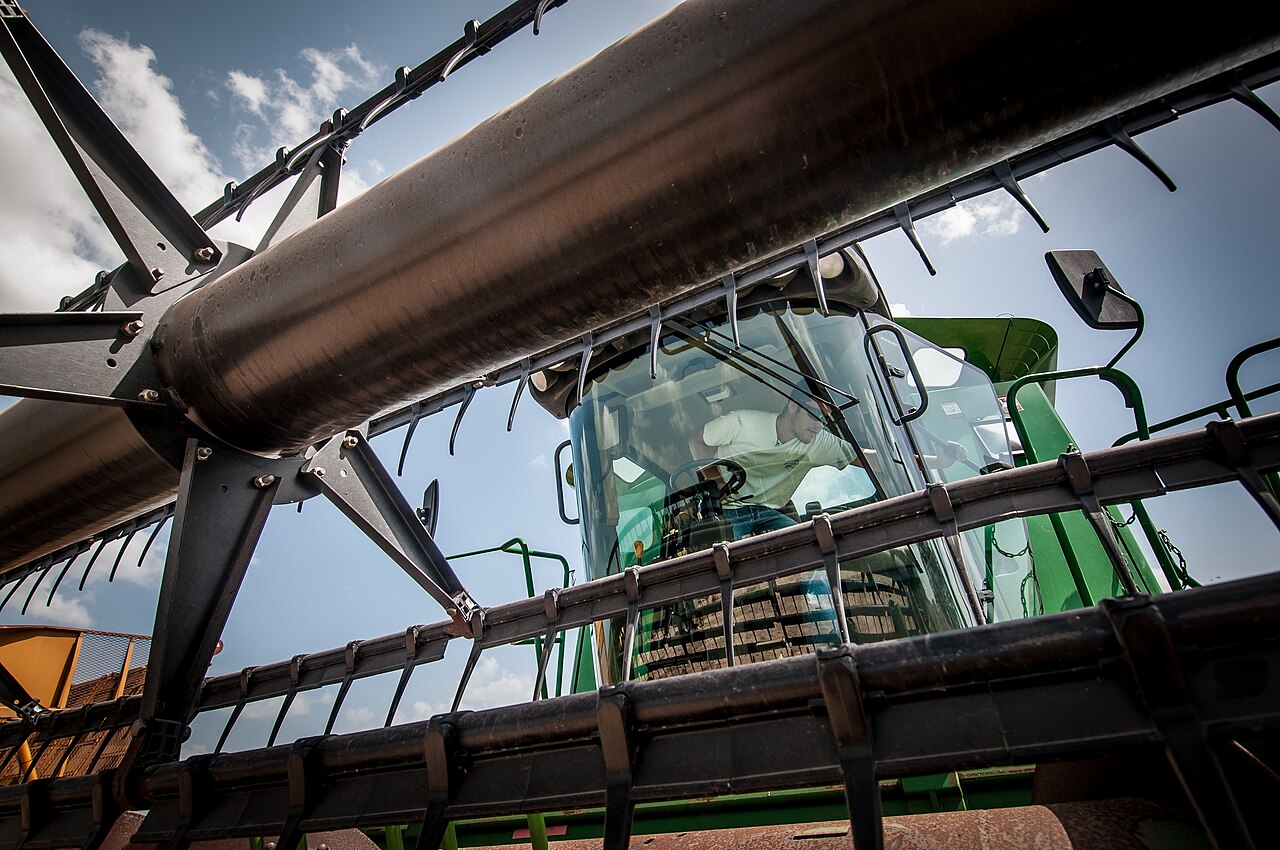
Image: Wikimedia Commons (public domain)
