


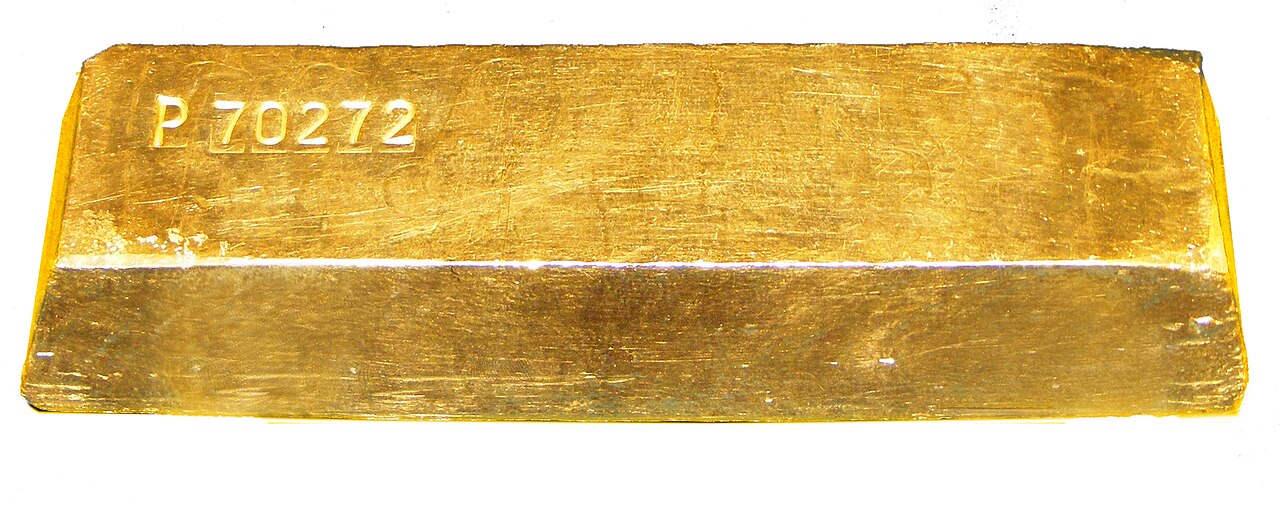
Investors tracking the latest gold price forecast are paying close attention to macroeconomic shifts, currency fluctuations, and geopolitical developments across emerging markets. Precious metals have long served as a traditional anchor during periods of economic uncertainty, offering capital preservation when equity markets experience volatility. Understanding how price benchmarks are set and what moves the market is essential for regional readers evaluating their broader portfolio strategy.
Physical demand in key regional hubs across the Gulf, South Asia, and North Africa remains a strong pillar of the global market. Retail consumers and institutional buyers continuously monitor spot rates to time physical purchases, bullion trading, and structured derivative investments. The international spot rate reflects complex interplay between interest rate expectations, institutional capital flows, and global currency valuation changes.
Primary Factors Influencing the Gold Price Forecast
Central bank reserves represent one of the most significant structural drivers in the precious metals ecosystem. Monetary authorities worldwide have consistently increased their holdings of physical bullion to diversify foreign exchange reserves away from single currency dependence. This continuous official sector demand provides a long term floor under global valuations, altering standard market dynamics and influencing every major gold price forecast published by financial institutions.
Interest rate decisions by major western central banks also play a direct role in shaping asset allocation. Because precious metals do not yield regular income or dividends, higher sovereign bond yields tend to create competitive pressure on non yield assets. Conversely, when central banks signal rate cuts or monetary easing policies, holding physical metal becomes relatively more attractive, encouraging capital to flow back into bullion backed exchange traded funds and physical vaults.
Inflation dynamics further complicate this financial landscape. When purchasing power diminishes due to rising consumer prices, market participants frequently turn to tangible commodities as a proven store of value. While real yields remain the primary technical catalyst for short term price adjustments, persistent inflation concerns sustain structural interest from long term private wealth funds and family offices across the region.
How Global Economic Conditions Impact Local Markets
In retail markets across the Middle East and South Asia, physical trading volumes react dynamically to international benchmark changes. Local pricing closely tracks global currency valuations and import tariffs, creating unique regional premiums or discounts. Smaller retail buyers often view price corrections as prime accumulation windows, which can offset broader institutional sell offs during periods of profit taking.
Corporate treasury departments and commercial bullion dealers rely on sophisticated hedging strategies to manage inventory exposure against sudden market swings. These risk management techniques allow businesses to maintain operational stability despite frequent price shifts. Individual investors evaluating these assets should remember that this overview provides general market commentary and does not constitute personalized financial advice.
Strategic Considerations for Regional Investors
When incorporating precious metals into a broader asset allocation plan, diversification remains a central principle. Wealth managers typically recommend balancing non yield assets alongside yield bearing securities, real estate, and fixed income instruments to mitigate overall portfolio risk. Overexposure to any single asset class can leave capital vulnerable to sudden shifts in macroeconomic sentiment.
Storage options, liquidity requirements, and counterparty risks are additional practical factors for buyers to consider. Whether purchasing allocated physical bars, unallocated vault accounts, or digital certificates, investors must weigh the associated fees against ease of liquidation. Institutional investors often prefer exchange traded products due to lower transaction costs, whereas retail buyers in the Gulf and South Asia frequently prioritize direct ownership of physical bars and coins.
What to Watch in the Bullion Market Next
Looking ahead, market participants should closely follow upcoming announcements from global central bank policy committees and international trade regulatory bodies. Updates on currency trade arrangements and international sovereign debt levels will continue to provide critical clues about future market sentiment. Analysts adjust their projections regularly as new economic data becomes available to the public.
Monitoring sovereign bond yield curves and foreign exchange movements will remain essential for anyone analyzing market movements. As economic conditions evolve, keeping a disciplined perspective based on historical patterns and current fundamentals helps investors navigate market volatility effectively. Capital preservation strategies will always require continuous monitoring of policy decisions and global trade dynamics.
Image: Wikimedia Commons (public domain)
