


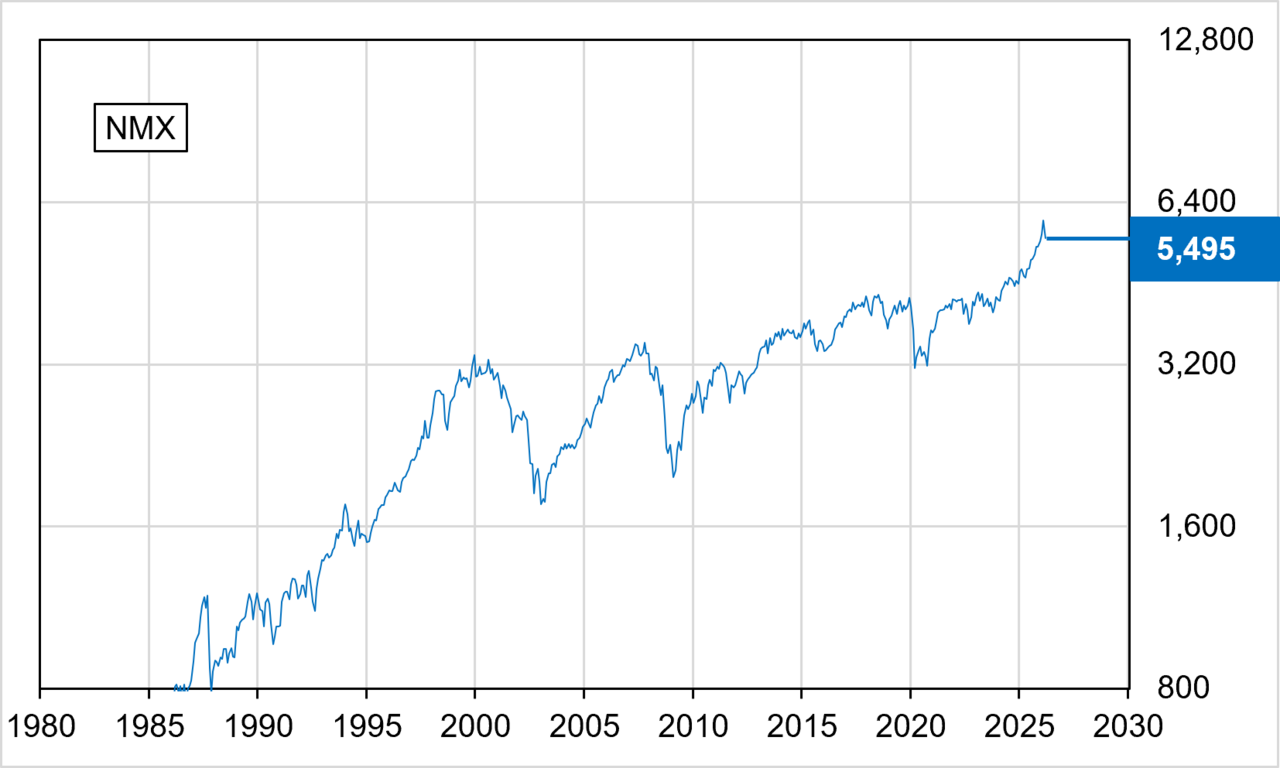
Understanding the current USD JPY weekly outlook requires looking beyond traditional monetary policy to see how corporate earnings in the technology sector are shaping currency trends. Foreign exchange markets have historically responded to interest rate announcements from the United States Federal Reserve and the Bank of Japan. However, global market dynamics are shifting, and massive capital inflows into equity markets are creating new drivers for international currency pairs.
When equity trading volumes surge around major corporate performance reports, international investors reallocate vast amounts of capital across borders. For foreign exchange traders evaluating the exchange rate between the US dollar and the Japanese yen, corporate results can temporarily displace traditional central bank policy decisions as the primary catalyst for short-term price movements. As global markets adjust to new technology valuations, currency values shift in tandem with broad equity sentiment.
Understanding the USD JPY Weekly Outlook in Foreign Exchange Markets
The relationship between foreign exchange valuations and equity performance relies heavily on risk appetite among institutional investors. When optimism surrounds global technology companies, international risk sentiment tends to rise, pushing capital out of traditional safe-haven assets and into growth oriented equities. The Japanese yen has historically functioned as a safe-haven currency, meaning it often weakens during periods of strong global stock market performance.
Conversely, the US dollar plays a dual role as both a global reserve currency and a primary funding unit for global equities. When corporate earnings reports exceed expectations, demand for US equity exposure increases, which can boost demand for the dollar. Analysts tracking market developments note that corporate earnings cycles can create significant short-term volatility, sometimes overshadowing scheduled monetary policy announcements from central banking authorities.
For individuals and institutional investors managing international capital, tracking currency market shifts requires a comprehensive view of global economic indicators. Readers navigating currency risk should remember that this overview serves as general educational information and does not constitute formal financial advice. Professional treasury advisory services are recommended for managing specific market exposures.
Central Bank Policies and Interest Rate Differentials
Despite the short term influence of stock market performance, interest rate differentials remain the underlying foundation of long term currency movements. The United States Federal Reserve has maintained a policy stance focused on managing domestic inflation while supporting economic expansion. Expectations regarding whether American policymakers will cut or maintain benchmark interest rates directly influence the yield generated by dollar denominated assets.
In contrast, the Bank of Japan has spent years navigating a distinct economic environment characterized by low interest rates and monetary stimulus. Although Japanese monetary authorities have gradually signaled shifts toward policy normalization, the yield gap between US Treasuries and Japanese government bonds remains wide. This persistent interest rate differential continues to encourage carry trade strategies, where investors borrow funds in low yielding currencies to invest in higher yielding assets abroad.
When global stock markets experience heightened volatility, these carry trades can unwind rapidly. If technology earnings disappoint market participants, risk aversion can trigger a sharp repatriation of capital back into Japanese currency assets. Consequently, macro traders monitor both equity market momentum and central bank policy statements to anticipate potential sudden shifts in exchange rate direction.
Who Is Impacted by Japanese Yen Fluctuations
Movement in the value of the Japanese currency relative to the dollar has far reaching consequences across global financial hubs, including trading centers in the Gulf region and Asia. Multi national corporations operating in import and export industries face direct impacts on their operating margins. A weaker yen makes Japanese manufactured goods and foreign exports more competitive globally, while increasing the domestic cost of imported raw materials and energy commodities.
Cross border investors and asset management firms holding international portfolios must also adjust their hedging strategies based on exchange rate trends. For institutional investors holding significant US equity assets, fluctuations in the exchange rate can either amplify investment gains or erode overall portfolio returns when converted back into domestic currencies.
Furthermore, retail investors involved in international transfer channels and global real estate development observe these currency trends closely. Volatility in major currency pairs often influences liquidity conditions in broader financial markets, affecting cross border capital flows, trade financing arrangements, and borrowing costs across emerging and developed economies alike.
Key Factors for Currency Investors to Watch Next
Moving forward, market participants tracking foreign exchange trends should monitor several key catalysts that will determine market direction. First, upcoming quarterly earnings reports from dominant technology conglomerates will serve as a primary gauge for global equity market health and overall investor risk appetite. Strong performance metrics could sustain capital flows into equities, while disappointing results might spark a flight to safety.
Second, official economic releases regarding inflation rates, employment metrics, and gross domestic product growth in both the United States and Japan will shape expectations for future central bank actions. Statements from monetary policy committees will be scrutinized for hints regarding the timing and magnitude of future interest rate adjustments.
Finally, geopolitical events and ongoing treasury yield movements will continue to influence broader market volatility. By monitoring the ongoing balance between corporate performance metrics, risk sentiment, and interest rate policies, market participants can better understand the factors driving currency fluctuations in an increasingly interconnected global economy.
Image: Wikimedia Commons (public domain)
