


Across the global biotechnology landscape, advanced computational tools have quickly become the default pitch for emerging enterprises seeking venture capital. Promising to compress years of early-stage laboratory experimentation into mere months of computational processing, machine learning models have captured massive industry attention. However, a growing cohort of founders is intentionally choosing a different path by skipping AI for drug discovery, focusing instead on primary biological mechanisms and direct physical experimentation. This strategic divergence highlights a deeper debate about the limits of digital simulation in complex human biology.
For nearly a decade, capital has flowed heavily into computational biology platforms. Investors favored software-driven approaches that promised to screen billions of molecular structures in virtual environments before synthesizing a single compound. The ambition was clear: cut the enormous financial cost and high failure rate inherent in developing new pharmaceuticals. Yet, as the initial waves of digitally designed therapies move into clinical testing, industry observers note that algorithms still face significant hurdles when predicting how novel compounds behave inside living organisms.
The Limits of AI for Drug Discovery
The primary challenge facing reliance on AI for drug discovery stems from data quality and environmental complexity. Machine learning models require vast, standardized, and highly accurate datasets to train effectively. In human biology, historical data is often fragmented, collected under varying conditions, or simply unavailable for rare and poorly understood diseases. When algorithms are trained on incomplete datasets, their predictive accuracy drops significantly when confronted with novel biological targets.
Furthermore, human cellular pathways interact in dynamic ways that static computer models struggle to replicate. A molecule that binds perfectly to a target protein in a digital rendering may fail in physical trials due to unpredictable side effects, unexpected metabolic processing, or systemic toxicity. Recognizing these boundaries, a number of pioneering startup founders argue that computer power cannot yet replace physical bench work, opting to build specialized laboratory infrastructure rather than expansive server farms.
Refocusing Capital on Physical Bench Work
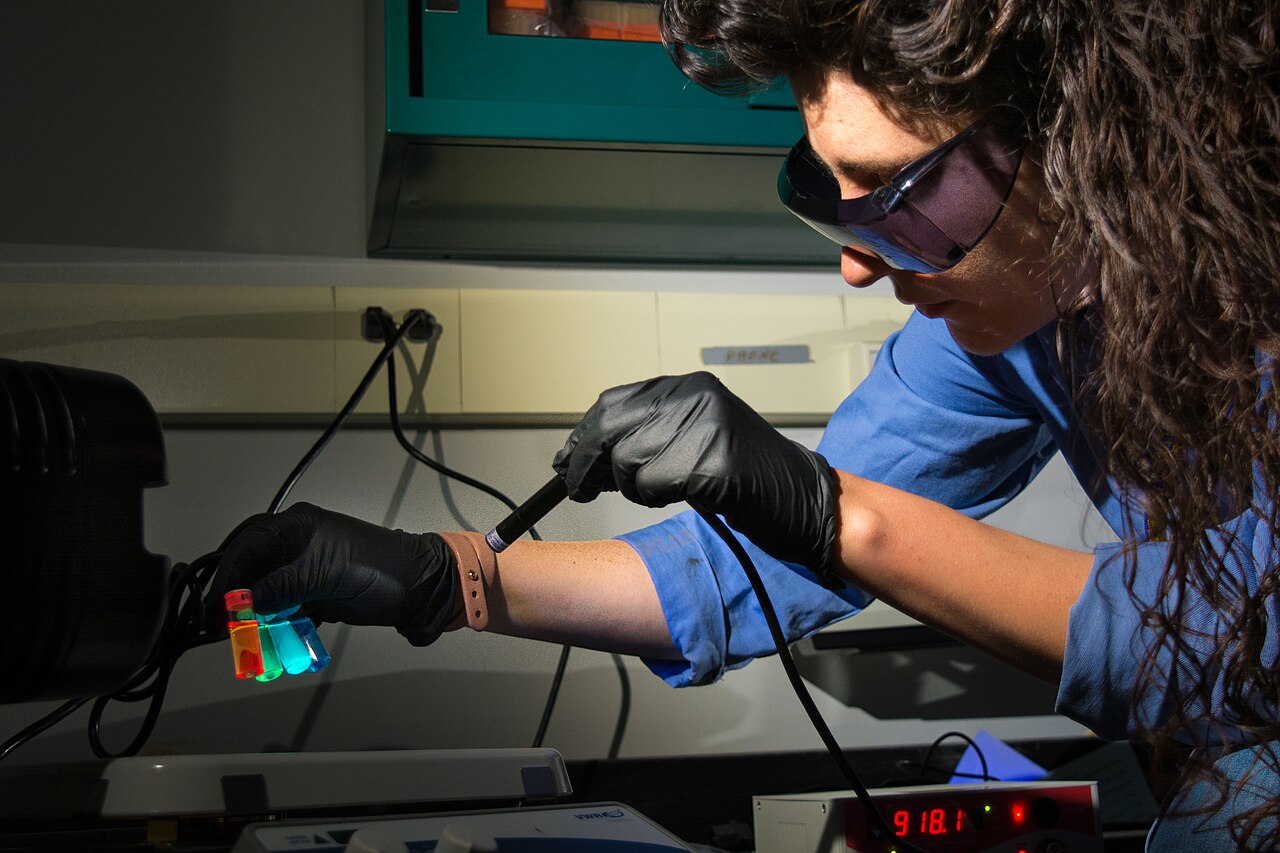
Choosing to prioritize traditional wet-lab experiments over digital modeling changes how a startup manages its initial capital. Rather than allocating funds to cloud computing, massive software licenses, and teams of data engineers, these focused biotech ventures direct resources toward high-throughput physical testing, advanced cellular assays, and direct physiological sampling. By gathering proprietary, highly accurate physical data from the outset, these companies aim to establish biological proof long before introducing computational tools.
This approach does not mean that modern biotech founders completely ignore digital tools. Instead, they view computer automation and basic data management as support services rather than the core engine of therapeutic discovery. By focusing on primary wet-lab verification, early-stage enterprises seek to avoid false positives generated by over-optimized algorithms that look promising on screen but fail when introduced into real human tissue.
Implications for Investors and Healthcare Founders
For venture capitalists and corporate innovation funds across the Middle East, South Asia, and global markets, this trend signals a shift toward more nuanced evaluation metrics. Investors are increasingly looking beyond high-tech software presentations to scrutinize foundational biological research. While algorithms offer scalability, physical validation remains the primary benchmark for real value in medicine. Readers evaluating opportunities in healthcare technology should note that this general information is provided for educational context and does not constitute formal financial advice.
Healthcare founders must carefully balance their capital allocation between computational infrastructure and biological validation. While marketing an enterprise as a machine learning platform can attract tech-focused venture capital, failing to build rigorous laboratory validation can result in costly setbacks during later clinical phases. Striking the right balance requires a clear assessment of whether digital models can genuinely accelerate a specific biological breakthrough or merely add expensive complexity.
What to Watch in Early-Stage Biotechnology
Moving forward, the industry is likely to settle into a hybrid operational model where physical experimentation and digital tools find a more balanced equilibrium. As computational platforms mature, their true utility will depend on the generation of higher-quality experimental data. The current resistance from startups skipping heavy algorithms serves as a healthy correction, ensuring that biological truth remains the core focus of medical innovation.
Market watchers should monitor upcoming clinical trial results from both purely computational platforms and bench-first startups over the coming years. The performance of these distinct pipelines will ultimately determine how capital flows into early-stage research. If physical-first platforms achieve higher success rates in clinical trials, the broader market will likely pivot back toward funding foundational biological research alongside sensible digital integration.
Image: Wikimedia Commons (public domain)
