


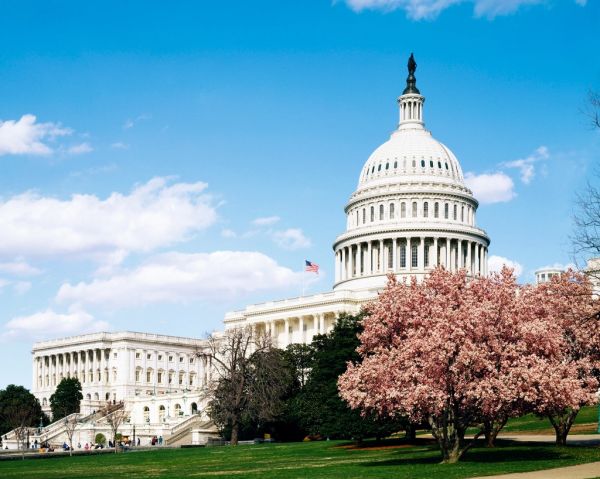
As international professionals and multinational employers plan their long-term strategies, political shifts in Washington remain a critical variable. Analysts and global talent pools are closely watching how the US midterm election results 2026 could reshape the legislative landscape and executive priorities surrounding skilled migration. Changes in congressional majorities often dictate the speed and direction of visa reform, administrative oversight, and legal immigration quotas across key economic sectors.
For high-skilled workers from South Asia, the Middle East, and other emerging markets, the composition of the United States Congress directly influences employment-based visa pathways. While routine administrative policies are managed by federal agencies, legislative proposals regarding country-specific caps, wage thresholds, and dependent work permits rely heavily on lawmakers. Understanding the broader implications of congressional shifts helps global professionals evaluate their career trajectories and residency options.
The Broader Impact of US Midterm Election Results 2026 on Immigration Policy
Congressional elections alter the balance of power within key legislative committees that oversee national security, judiciary matters, and foreign labor policy. When control of the Senate or House of Representatives changes hands, committee chairs can reorder legislative agendas, hold oversight hearings, or stall executive branch appointments. The US midterm election results 2026 will determine whether future policy trends toward expanded statutory caps for technical fields or toward tighter restrictions designed to protect domestic labor markets.
Historically, legislative momentum on employment immigration requires bipartisan consensus, which has proven difficult to achieve in recent legislative sessions. A divided government often leads to reliance on executive orders and agency rule-making rather than permanent statutory updates. Consequently, international applicants often experience shifts in processing speeds, fee structures, and administrative scrutiny following major political turns in Washington.
Why Skilled Migration Rules Matter for Global Employers
Technology corporations, financial institutions, and healthcare providers depend on predictable international visa channels to maintain competitive advantages. Changes in congressional sentiment frequently influence how federal agencies enforce compliance, set minimum wage requirements, and evaluate specialized knowledge qualifications. When legislative policy swings, enterprises must adjust their recruitment strategies, international transfer protocols, and compliance budgets to navigate new regulatory hurdles.
Uncertainty surrounding work authorization can prompt global firms to expand regional technology hubs outside the United States. Cities in the United Arab Emirates, Canada, and Western Europe frequently attract international talent seeking stable long-term residency frameworks. As a result, domestic policy decisions made in Washington ripple outward, altering global capital allocation and human resource planning across multiple continents.
How Foreign Professionals Should Prepare for Policy Changes
Individual applicants and visa holders must maintain a proactive approach to risk management during years marked by federal elections. Ensuring complete compliance with maintenance of status rules, keeping meticulous employment records, and staying informed on administrative updates are essential steps. Because legal frameworks change over time, cross-border mobility plans should account for potential administrative delays or unexpected adjustments to dependent work authorizations.
This overview serves as general educational context rather than individual legal or financial advice. Readers considering international relocation or employment sponsorship should consult qualified immigration attorneys to evaluate their personal circumstances. Building flexible career strategies allows skilled professionals to adapt regardless of the specific legislative outcomes in Washington.
What to Watch as the Legislative Calendar Advances
Moving forward, legal experts and policy observers will focus on key indicators, including proposed appropriations bills, statutory reform proposals, and federal agency leadership nominations. Draft legislation introduced in the aftermath of legislative realignments often signal broader policy directions even if full bills do not pass immediately. Observing these early signals provides valuable lead time for multinational human resources teams and prospective applicants alike.
Ultimately, international mobility remains deeply intertwined with the broader macroeconomic and political goals of host nations. As global competition for specialized talent intensifies, post-election policy debates will help clarify whether traditional employment pathways will expand or face additional administrative requirements over the coming decade.
Image: Openverse (public domain)
