


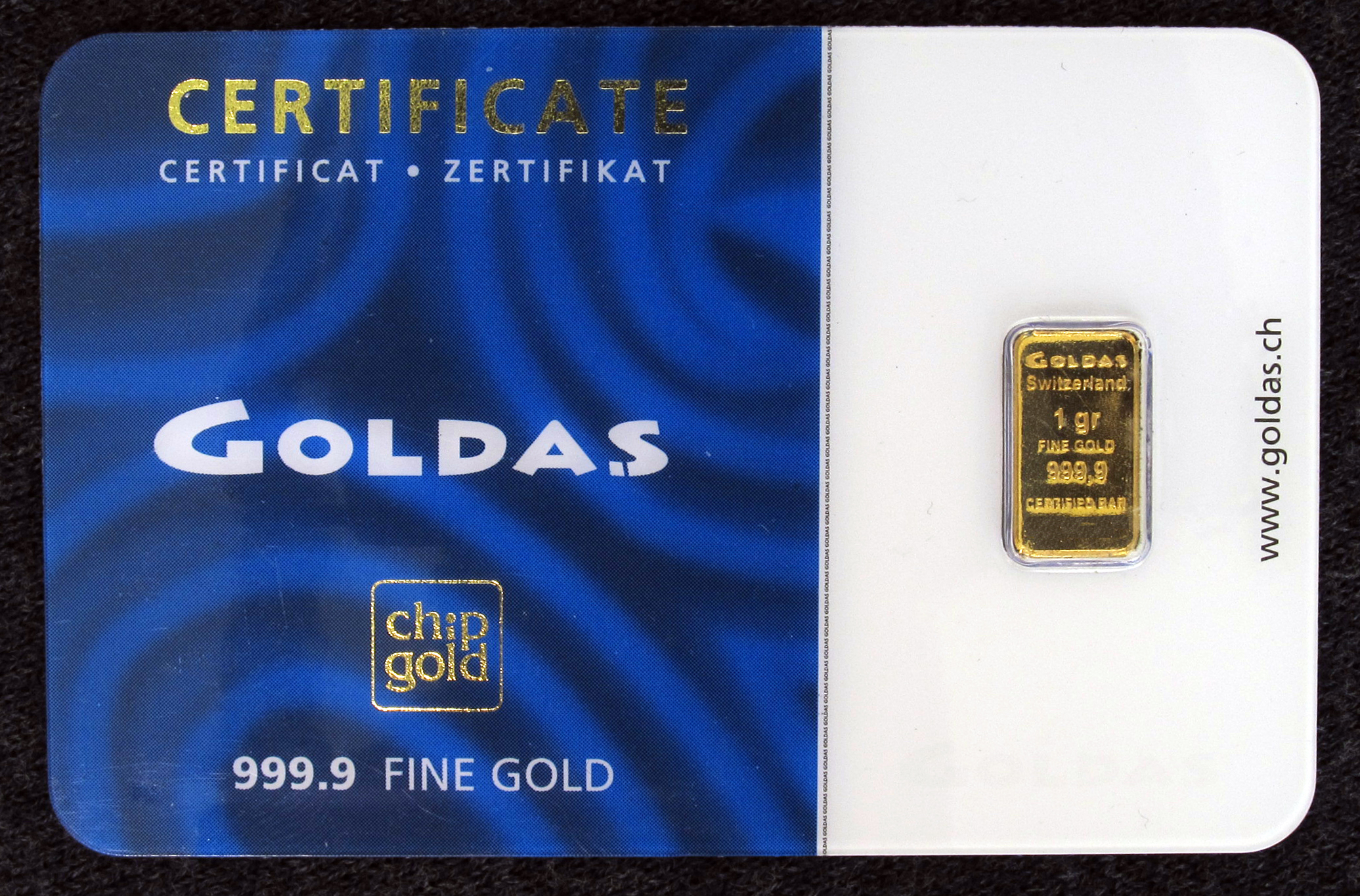
tracking the ongoing gold price trend remains a central priority for individual investors and institutional managers across the Gulf, South Asia, and broader international markets. Gold has long held a unique position in global finance, serving both as a safe-haven asset during times of geopolitical friction and as a traditional hedge against currency depreciation. When price action shifts, it sends ripples through central bank reserves, commercial trade channels, and retail jewelry markets alike.
Understanding what propels bullion valuations requires a look at macroeconomic indicators, monetary policy expectations, and real yield dynamics. Investors across regions like the UAE and India often look to the yellow metal to balance portfolio volatility, making market shifts particularly relevant for local wealth preservation strategies. Please note that market commentary is intended for general information only and does not constitute formal financial advice.
Key Drivers Behind the Current Gold Price Trend
The primary force dictating bullion values over extended periods is the direction of real interest rates set by major central banks, particularly the United States Federal Reserve. Because physical gold yields no coupon or dividend, higher interest rates elevate the opportunity cost of holding non yielding assets. Conversely, when central banks signal rate cuts or when inflation outpaces nominal yields, global interest shifts back toward precious metals, strengthening bullion values over time.
Currency fluctuations also play a crucial role in shaping market trajectory. Gold is predominantly denominated in US dollars on global exchanges, meaning a weaker dollar makes the metal less expensive for buyers using foreign currencies. This inverse relationship frequently triggers increased demand across emerging markets, pushing international prices higher even when local macroeconomic conditions remain stable.
In addition to interest rates and currency movements, physical demand patterns in high-consumption regions contribute significantly to base price stability. In markets across the Middle East and South Asia, commercial buying during festival seasons and major cultural events creates sustained spot market liquidity, providing a reliable floor during wider sell-offs.
Central Bank Reserves and Institutional Allocation
In recent years, official sector purchasing has emerged as one of the most powerful underlying forces supporting global metals valuations. Central banks in developing economies have systematically increased their gold reserves to diversify away from heavy dollar reliance. This strategic accumulation reflects a broader structural change in how national treasuries manage sovereign risk and international trade settle accounts.
Institutional investors, including sovereign wealth funds and exchange-traded funds, also influence short-term price momentum through strategic reallocation. When macroeconomic uncertainty rises, capital flows rapidly into backed gold instruments, driving rapid price movement. Conversely, when economic growth stabilizes and risk appetite returns to global equity markets, institutional capital often cycles out of safe-haven assets.
For market participants managing private wealth, monitoring institutional fund flows provides valuable context on broad sentiment. Large-scale capital shifts usually signal how major asset managers view systemic financial risks and long-term inflationary pressures across key economic corridors.
Physical Demand Dynamics Across South Asia and the Gulf
Beyond institutional trading desks, the retail and physical trade in regional hubs like Dubai, Mumbai, and Singapore provides essential market liquidity. Dubai, traditionally known as the City of Gold, functions as a primary transit and trading center connecting African refiners, European bullion banks, and Asian retail buyers. Regional trade volumes often act as a barometer for consumer sentiment and physical demand trends across foreign exchange markets.
In South Asian economies, domestic gold consumption remains deeply intertwined with household savings and wedding traditions. Local prices in these regions often reflect domestic import tariffs and currency exchange rates alongside benchmark spot prices. When local currencies experience pressure, demand for physical gold often surges as households move liquid savings into tangible, inflation resistant stores of value.
This structural retail demand ensures that physical supply chains remain active regardless of global paper market volatility. The balance between retail physical buyers and paper market speculators helps smooth out extreme downward price adjustments during broader market corrections.
What Investors Should Monitor Moving Forward
Looking ahead, market participants should closely follow central bank policy statements, employment data releases, and consumer price indices from major economies. Shifts in monetary policy stance remain the single most immediate catalyst for benchmark price adjustments. A sustained pivot toward lower borrowing costs generally favors precious metals allocations, while tighter policy regimes tend to cap upward price momentum.
Geopolitical stability across primary energy and trade routes also demands continuous observation. Sudden escalations in regional conflicts historically lead to rapid spikes in safe-haven buying, causing temporary disconnects between fundamental economic data and short term spot trading levels.
Ultimately, navigating the market requires a balanced perspective that weighs short-term volatility against long-term wealth protection goals. By staying informed about macroeconomic shifts, institutional flows, and regional trade patterns, investors across the Gulf and South Asia can better contextualize broader market movements and make well reasoned asset allocation decisions.
Image: Openverse (public domain)
