


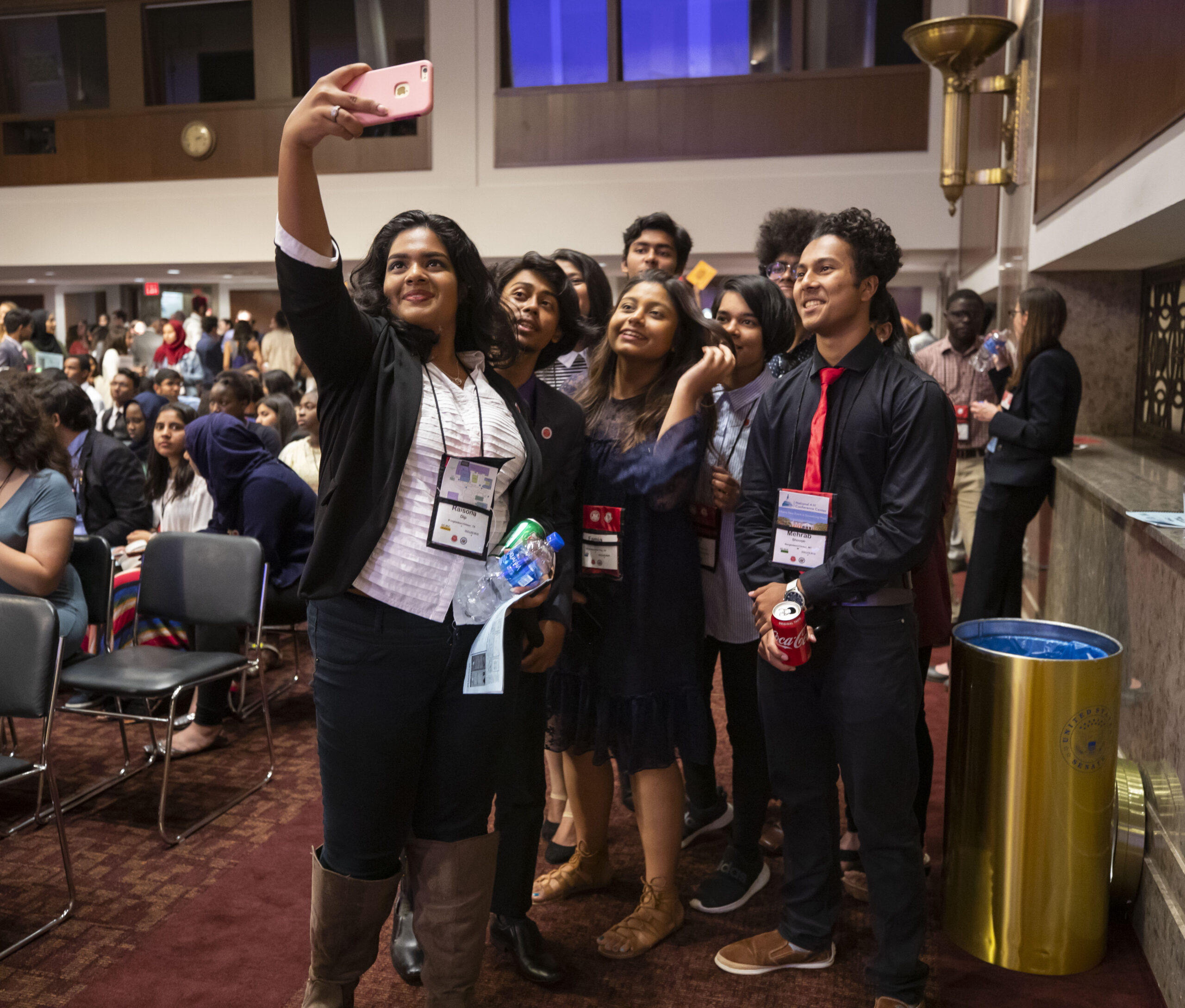
The latest global study highlights a growing trend: students from the United States and the United Kingdom are increasingly choosing universities in Asia and Europe, driven largely by tightening visa restrictions in their home countries. The survey, conducted by WTVB, indicates a shift in the international education landscape that could reshape how institutions attract talent and how students plan their academic futures.
Visa Barriers for Students: The Growing Push to Asia and Europe
Visa policies in the US and UK have become more stringent in recent years, with stricter eligibility criteria, longer processing times, and higher fees. These hurdles make it harder for prospective students to secure admission and stay on campus legally. As a result, many now look to countries with more streamlined immigration procedures, such as Singapore, Japan, South Korea, Germany, France, and the Netherlands.
The WTVB survey shows that over a third of respondents from the US and UK would prefer studying abroad if visa procedures were simplified. The data also reveals that students value not only academic reputation but also the ease of gaining work experience post-graduation. Countries that offer clear pathways to employment after study are becoming particularly attractive.
International universities are responding by adjusting their recruitment strategies. Some have increased outreach in North America, offering pre-admission support to navigate visa paperwork. Others have partnered with local governments to create joint scholarship programmes that cover visa costs, making the transition smoother for applicants.
For students, the decision to study abroad now involves more than choosing a curriculum. Applicants must assess the likelihood of obtaining a student visa, the potential for work visas after graduation, and the overall cost of living in the destination country. In many Asian and European cities, living expenses are lower than in major US or UK hubs, which can make the total cost of study more manageable.
Governments in destination countries are also keen to attract talent. Singapore’s Graduate Admission Scheme and Germany’s Blue Card programme are designed to reduce bureaucratic barriers for international students. These initiatives not only boost enrollment numbers but also support the host country’s labour market by encouraging skilled graduates to stay and contribute.
Higher education institutions in the US and UK face the risk of losing top academic talent if visa restrictions continue to tighten. University rankings could be affected if institutions cannot recruit the best international students or if graduates leave the country without contributing to the local economy. Policymakers may need to review immigration law to maintain competitiveness in the global education market.
Students considering a move should start early. Visa applications can take several months, and delays can affect course start dates. Engaging with university counsellors, leveraging online forums, and staying updated on policy changes are essential steps. Prospective students should also explore scholarship opportunities that cover visa fees and living expenses, as these can significantly reduce the financial burden.
While the focus of this trend is on US and UK students, similar patterns are emerging among students from other developed nations. The global education market is becoming more dynamic, with universities in emerging economies also stepping up their game to attract international talent. This diversification can lead to richer classroom experiences and broader cultural exchanges for all students involved.
Looking ahead, the key question is whether visa policies will remain restrictive or shift toward a more open, merit-based approach. Universities and governments must collaborate to create clear, efficient pathways that benefit both students and the host economies. For students, awareness and early preparation are crucial to making the most of the opportunities available in Asia and Europe.
Readers should keep an eye on policy announcements from the US and UK immigration departments, as well as on new incentive programmes in target countries. These developments will shape the next wave of student mobility and could redefine the global higher-education landscape.
Disclaimer: This article provides general information only and is not financial or legal advice. Readers should consult official sources before making decisions.
Image: Openverse (public domain)
