


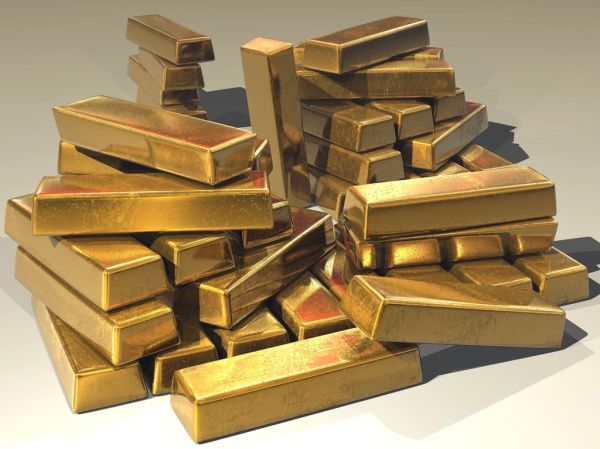
The current gold price reflects a complex mix of market forces, investor sentiment, and global economic conditions. Understanding how this figure is set and what it signals can help investors make better decisions, whether they are buying physical gold, investing in exchange-traded funds, or simply monitoring the market for strategic insights.
The Anatomy of the Current Gold Price
Gold is priced in U.S. dollars per troy ounce on international exchanges, most notably the New York Mercantile Exchange and the London Metal Exchange. The quoted price is a result of real-time trading between buyers and sellers who range from central banks and institutional investors to private collectors and online retail platforms. Each transaction updates the market, and the aggregate of these trades yields the current price displayed on financial news sites, commodity trackers, and investment platforms.
Key variables that influence the current gold price include the U.S. dollar’s strength, inflation expectations, geopolitical tensions, and the performance of risk-seeking assets such as equities. When the dollar weakens, gold often becomes cheaper for holders of other currencies, boosting demand. Conversely, strong dollar periods can suppress gold prices even if other risk factors remain unchanged.
Why the Current Gold Price Matters to Investors
Gold serves dual purposes in a portfolio: a store of value and a hedge against uncertainty. The current gold price is the starting point for calculating potential returns on physical bullion, gold-mining stocks, and gold-linked securities. For example, a 10% rise in the spot price can translate into a significant gain for miners, whose margins are heavily tied to metal prices. Likewise, investors holding gold ETFs need to monitor the price to assess fund performance relative to the underlying asset.
Beyond individual portfolios, the current gold price also signals broader economic conditions. A sustained climb often indicates heightened inflation fears or geopolitical risk, prompting central banks to consider policy adjustments. Meanwhile, a decline may suggest a strengthening global economy and reduced demand for safe-haven assets.
Who Is Affected by Changes in the Current Gold Price?
Central banks that hold gold as part of their foreign-exchange reserves adjust their strategies based on price movements. A higher price may encourage purchases to diversify holdings, whereas a lower price could lead to divestments. Commercial gold miners see their profitability directly tied to the current price; a rise can boost revenues and drive investment in new projects, while a fall can force cost-cutting measures.
Retail investors and hobbyists also feel the impact. The current gold price determines the cost of jewelry, collectibles, and small-scale bullion purchases. Additionally, online platforms that offer fractional ownership of gold rely on the spot price to value investors’ holdings accurately.
How to Keep an Eye on the Current Gold Price
Tracking the current gold price is straightforward. Most financial news outlets provide live updates, and many brokerage platforms offer real-time charts. Analysts often use technical indicators such as moving averages and relative strength indices to forecast short-term swings, though long-term trends tend to follow macroeconomic fundamentals.
Investors should also consider underlying factors that can shift the price trajectory. Monitoring U.S. inflation reports, Federal Reserve policy statements, and global geopolitical developments can provide context for price changes. Additionally, keeping an eye on central-bank gold purchases or sales offers clues about institutional appetite for the metal.
What Comes Next for Gold?
Forecasting the future of gold involves assessing both cyclical and structural drivers. Rising inflation, if persistent, could continue to support higher prices, especially if accompanied by weaker dollar movements. Conversely, a strong economic recovery and tightening monetary policy might press prices lower. Technological advancements in gold mining and recycling could also affect supply dynamics in the medium term.
For readers, staying informed means regularly checking reputable sources for the current gold price, understanding the factors that drive it, and determining how that price aligns with personal investment goals. Always remember that this information is general in nature and not financial advice.
By staying attuned to the current gold price and the forces behind it, investors across the Gulf, South Asia, and Africa can better position themselves in a market where gold remains a key asset class for diversification and risk management.
Image: Openverse (public domain)
