


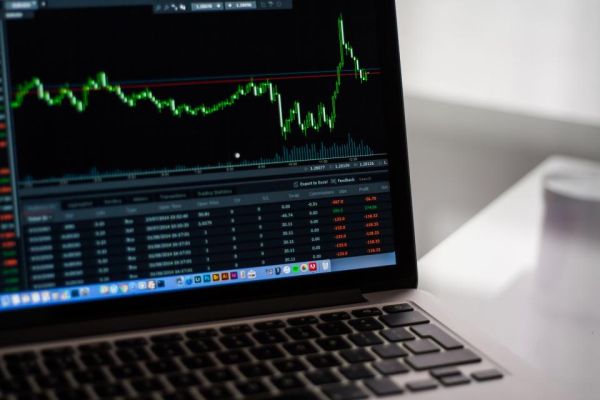
US Treasury yields decline as market participants keep a close eye on the Federal Reserve’s next rate-hike decision. The fall in yields reflects renewed caution among investors, who are weighing the probability of further tightening against the backdrop of a slowing economy and persistent inflationary pressures.
US Treasury Yields Decline as Market Eyes Fed Rate-Hike Prospects
The latest data show the benchmark 10-year Treasury yield slipped to a 10-year low, falling by several basis points in a single trading day. The dip comes after a series of statements from Fed officials that underscored a willingness to pause or taper rate hikes if economic conditions improve. Investors have responded by shifting preference toward safer fixed-income instruments, thereby pushing yields downward.
Historically, Treasury yields have served as a barometer for broader market sentiment. When yields fall, it signals that investors are seeking safety and are willing to accept lower returns in exchange for capital preservation. The current decline is especially pronounced because it follows a period of rapid rate increases, which have already tightened credit conditions across the economy.
Why does this matter for investors in the Gulf, Africa and South Asia? The US Treasury market remains a benchmark for risk-free returns worldwide. A fall in US yields means that other fixed-income securities, such as corporate bonds and local government debt, may need to offer higher yields to attract investors. Consequently, investors in the region may find that yields on comparable instruments are tightening, which can affect portfolio allocation decisions and borrowing costs for local governments and corporations.
Beyond yield movements, the market is now focused on the Fed’s potential policy shift. Speculation is high that the Fed may pause its rate-hike cycle once the economy shows signs of sustainable cooling. However, officials have not ruled out a “more aggressive” stance should inflationary pressures persist. The balance between these two scenarios will shape the trajectory of the US dollar, which in turn influences commodity prices and emerging-market currencies.
For traders, the short-term implications are clear. With yields declining, bond prices rise, and the spread between Treasury yields and corporate bonds tightens. This environment encourages a tilt towards higher-quality fixed-income assets, reducing exposure to riskier equity markets. Investors should monitor the Fed’s minutes and upcoming speeches for clues on the next policy move.
From a macro perspective, the decline in yields also reflects expectations of a slowdown in economic growth. While the US economy has shown resilience, recent data on retail sales, housing starts and manufacturing output suggest a potential deceleration. If the slowdown deepens, the Fed may consider a pause or even a rate cut, which would further push yields lower.
It is also worth noting that the current yield environment could affect capital flows into emerging markets. Lower US yields reduce the attractiveness of dollar-denominated assets, potentially increasing demand for assets denominated in local currencies. This could support currency appreciation for Gulf and African markets, but also heighten the risk of sudden outflows if the Fed signals a tightening path again.
Looking ahead, investors should keep an eye on several key data releases: the upcoming inflation report, the Fed’s policy statement, and the employment figures. Each of these will provide additional context on whether the Fed will maintain its current stance or shift direction. Additionally, monitoring the spread between the 10-year Treasury yield and the 2-year Treasury yield will help gauge market expectations of future rate changes.
In conclusion, the decline in US Treasury yields signals a cautious market stance amid uncertainty over the Fed’s next move. For investors across the Gulf, Africa and South Asia, this development underscores the need to stay vigilant, adjust fixed-income exposure accordingly, and watch for signals from the Fed that could move markets in the coming months. This is general information and not financial advice.
Image: Openverse (public domain)
