


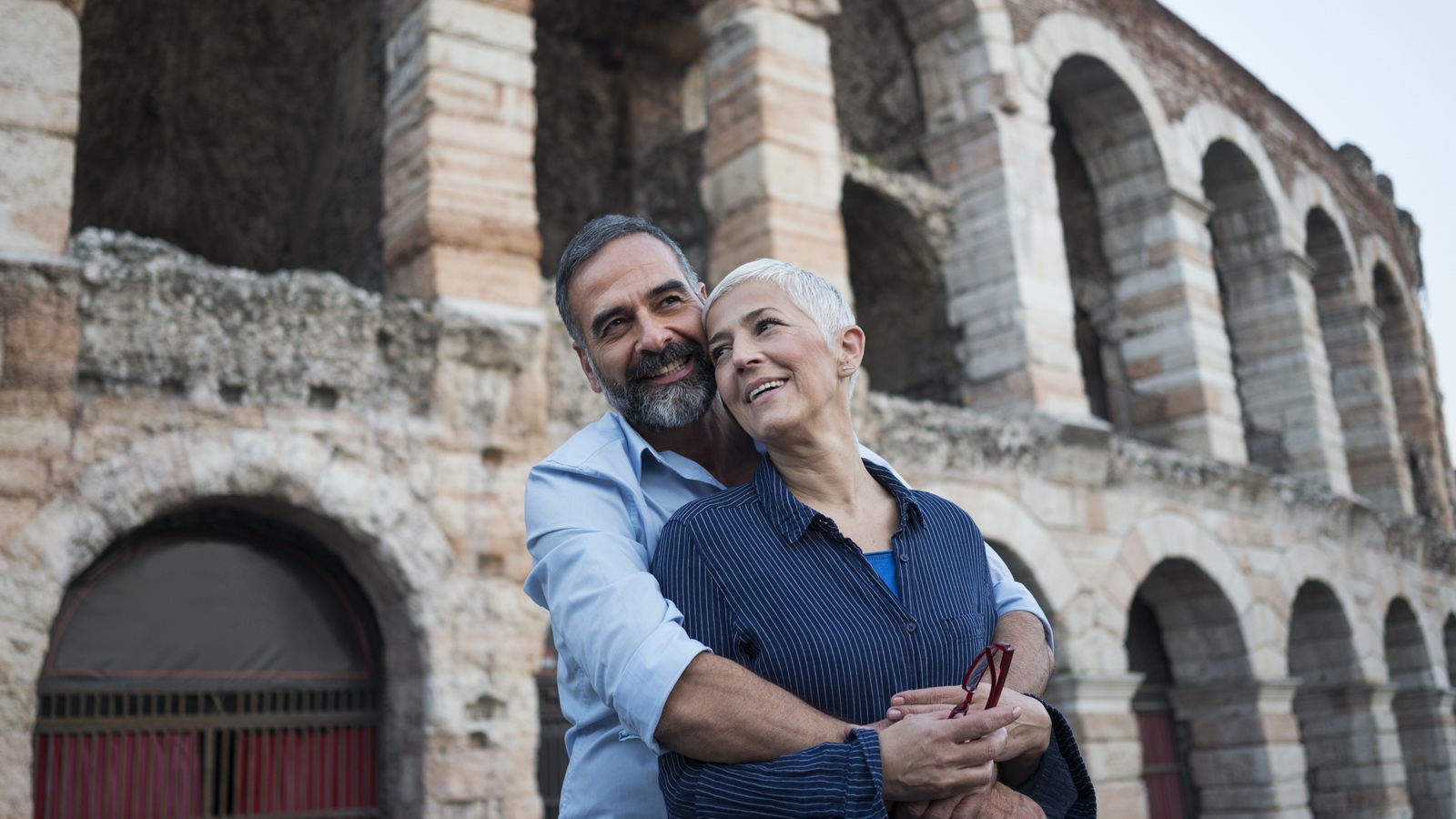
Planning a deeply enjoyable trip to Italy after 60 is less about packing more in and more about pacing the experience to match what your body and curiosity actually want. Italy rewards travelers who slow down, and that suits this stage of life unusually well.
Pick fewer cities, stay longer in each
The classic three-cities-in-ten-days itinerary works against you at this stage. Three nights minimum in each city, ideally four, lets you sleep off the travel day, take a real morning, and have one slow afternoon. Rome, Florence, and Venice are wonderful but exhausting if rushed. Adding Bologna, Lucca, or a Tuscan village in place of one of the big three often produces a better experience.
Travel in shoulder season
Late April to mid-June and September to mid-October are usually the sweet spots. The crowds are manageable, the weather is comfortable, and the small things, restaurants, museums, taxi queues, work better than they do in peak July and August.
Build in real food experiences
The dining experience in Italy is the experience. Book one private cooking class, one regional wine tasting, and one long lunch at a family-run trattoria. Skip restaurants attached to major tourist sites, where quality is usually worse.
Choose accessible accommodations
Cobblestone streets, stairs, and elevator-free buildings are everywhere in older Italian cities. Look for hotels with elevators and ground-floor lobbies, and confirm taxi access. ZTL traffic zones can prevent cars from getting close to historic-center hotels, so plan accordingly.
Health and insurance basics
Travel medical insurance is worth getting for any international trip, and especially after 60. Bring at least two weeks of medications in original packaging, plus copies of prescriptions in case of loss.
The takeaway
Italy after 60 is one of the most rewarding trips many travelers ever take. The key is to plan for depth, not breadth, and to make space for the slow afternoons that turn an itinerary into a memory.
