


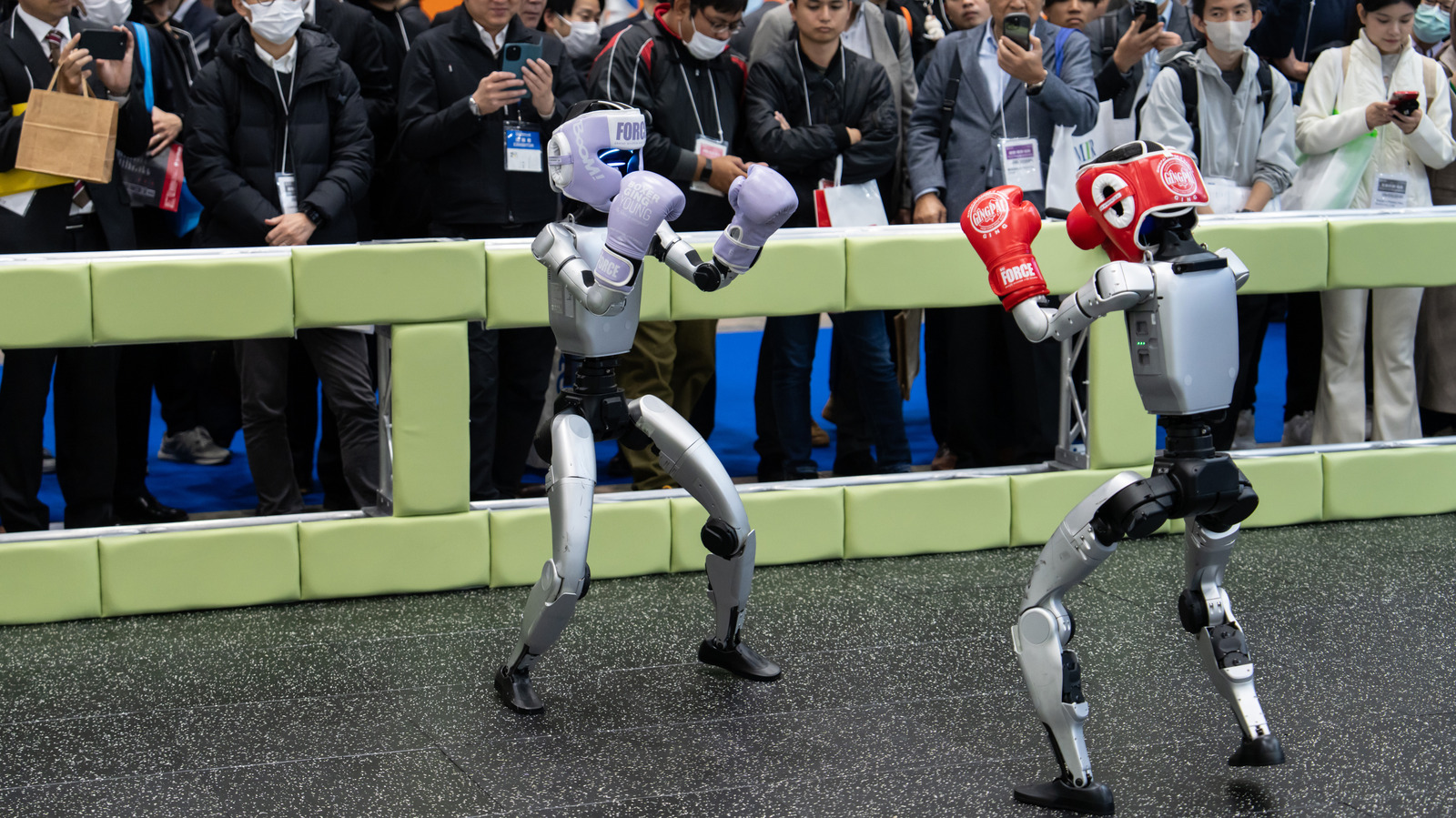
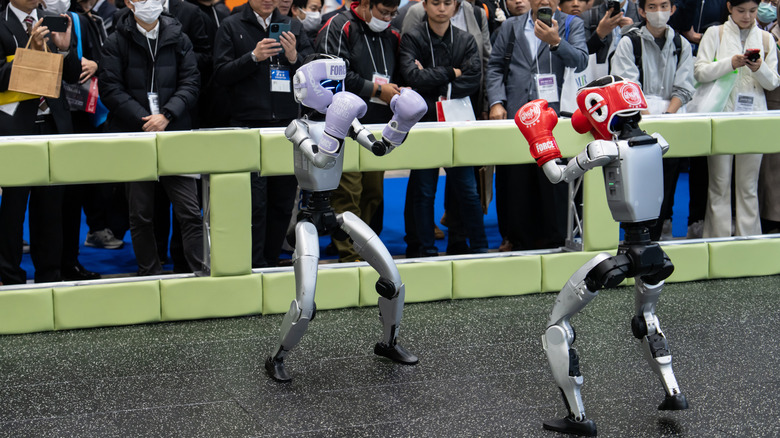
Robots are one of the next up-and-coming technologies because of their potential to give AI and software systems a body to complete physical tasks. While robot vacuums and robot mops have dominated the markets for years, and for good reason — who likes to clean floors — today’s robots are capable of so much more. The nation at the forefront of that change and innovation may well be China. From Xpeng and its ultra-humanoid “Iron” robot that will start mass production soon to Unitree Robotics’ G1 and H2 robots performing complex aerobatics during celebrations, it’s very clear that China’s robots have advanced far beyond simple vacuum cleaners.
CNBC reports that China’s roughly 15,000 humanoid robot installations in 2025 account for more than 85% of the industry’s total manufacturing and deployment, compared to 13% operating in the United States. But the more alarming or inspirational point, if you will, is that those robots have evolved considerably in capability over the last few years. The occasional fall still happens, sure, but they’re now dancing in full form, preparing with military precision for border patrol duties, and heck, even those smart vacuums have made a leap in technology and are now capable of climbing stairs and cleaning multiple floors.
However, the Unitree G1, the viral star of recent Kung Fu videos, is costly and will purportedly go for around 85,000 yuan in China (about $12,300). That price tag may be a bit too high for most families. However, expensive or not, it’s difficult to imagine not seeing these in homes within the next decade, especially as the costs become more manageable and the capabilities grow even more. Many of these Chinese-born robots will be available in America, as well.
China is ahead of the pack, but the entire industry is gaining ground
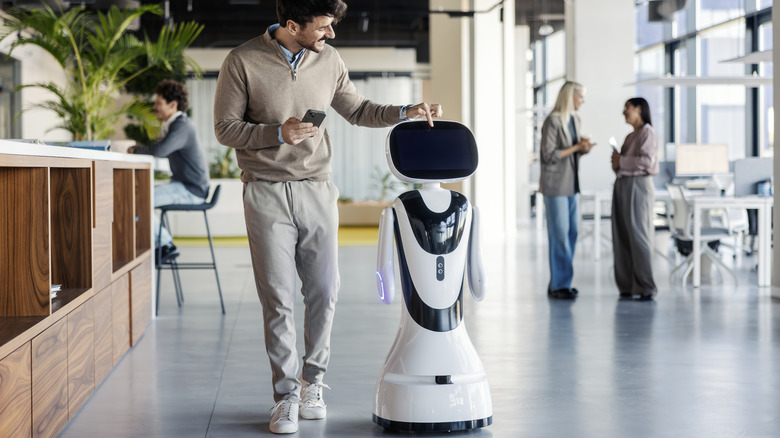
While China may be far ahead of the competition in terms of robotics development, with seemingly more power and resources backing the effort, it’s not the only country making waves in robotics. Palo Alto-based robotics company 1X has floated the concept of a short-term plan that would see a human stranger controlling your future robot companion through VR. As a stopgap while autonomous controls improve, remote operators would be able to take over household chores through VR support. That introduces another unique application for the technology, teleoperation and potentially remote jobs for controlling these systems. Sure, it’s a completely different branch of evolution from autonomous robots doing their own thing spurred by AI and software, but it’s no less intriguing.
One cannot forget Boston Dynamics and its unique series of advanced robotics, such as Spot, the agile mobile robot, Atlas, the more humanoid model, and Stretch, a factory-grade operating arm. Of course, we’re still a far cry from seeing humanoid robots patrolling the streets as they are already doing in China. Then again, maybe it’s for the best.
It will be some time before many of these solutions are widely available on the market in a commercial capacity, let alone for consumers. But there are some pretty cool, smaller robot devices you can buy on Amazon or install in your home right now. Think companion bots, learning bots, and smart task or cleaning devices. Hey, it’s something, right? Meanwhile, the humanoid bots are learning to do laundry, which is something we can all get behind.
