


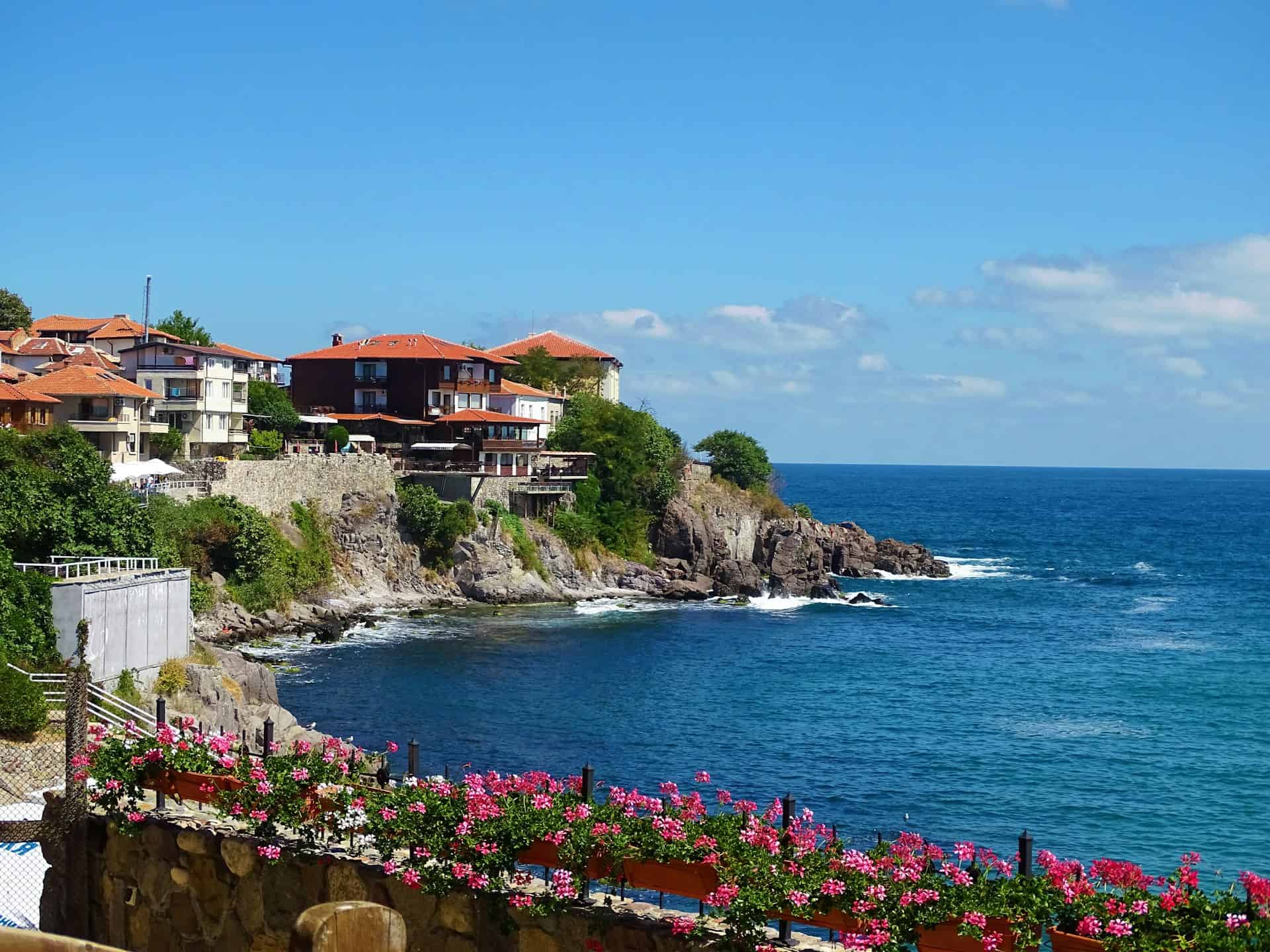
What Is the Digital Nomad Visa in Bulgaria?
At its core, the digital nomad visa Bulgaria is a residency program for people who work remotely for foreign companies or clients. It’s designed for freelancers, remote employees, and business owners who want to live in Bulgaria without entering the local job market.
The visa allows you to stay in Bulgaria for up to one year, with the option to renew for another year if you still meet the requirements. That means potentially two full years of legal residence, no border runs, no visa stress every few months. Huge win.
But there’s an important rule here:
You cannot work for Bulgarian companies or serve Bulgarian clients. Your income must come from outside the EU, EEA, and Switzerland. This visa is about attracting foreign money into the country, not competing in the local labor market.
In short: live in Bulgaria, work for the world.
Why Bulgaria Is Targeting Digital Nomads and Remote Workers
This visa didn’t just appear out of nowhere. It’s part of a broader push by Bulgarian business groups and legal organizations — including collaboration with the Bulgarian Entrepreneurial Association (BESCO) — to attract skilled foreign workers, founders, and investment.
And honestly? It makes total sense.
Remote workers spend locally. They rent apartments, join coworking spaces, eat out, travel around, and plug into startup ecosystems. That’s great for regional development, tourism, and knowledge sharing, especially outside the big capital cities.
There’s also a big focus on tech and innovation. Bulgaria already has a solid IT and startup scene, particularly in Sofia and Plovdiv, and welcoming international remote professionals only strengthens that ecosystem.
Safety-wise, Bulgaria is rated Level 1 (lowest risk) by the US State Department and is generally considered safe for expats and travelers. Like anywhere, petty crime exists — pickpocketing, car theft, card skimming — but violent crime against foreigners is not common. So from a lifestyle and security point of view, it’s a pretty comfortable place to settle into.
Who Can Apply for the Digital Nomad Visa Bulgaria 2026?
This visa is quite specific about who qualifies, and that’s actually a good thing. Clear rules mean fewer surprises.
You can apply if you fall into one of these three categories:
First, freelancers or independent contractors who have been providing digital services to non-Bulgarian clients for at least one year before applying. That means you’ll need to show contracts, invoices, or platform earnings.
Second, remote employees working for companies registered outside the EU, EEA, and Switzerland. If your employer is fully foreign and you work online, you’re in the right category.
Third, business owners who own at least 25% of a foreign-registered company and work remotely in that business. Again, that company must not serve Bulgarian clients.
Across all categories, you also need:
No side gigs with Bulgarian companies. No local consulting. This visa is strictly for global remote income.
Income Requirements and Financial Proof
Money talk — let’s get into it.
To qualify, you must meet a minimum annual income threshold based on the Bulgarian minimum wage. Depending on the exact wage baseline used, that comes out to roughly €27,500 to €31,000 per year.
In monthly terms, you’re looking at about €2,300–€2,600 per month in stable income. For many remote workers, that’s very doable, especially if you’re freelancing, contracting, or working for US-based companies.
But it’s not just about hitting the number once. Immigration officers will want to see:
-
Consistent income over time
-
Legitimate contracts or payslips
-
Clear business ownership documents if you’re an entrepreneur
Basically, they want to know you can support yourself without becoming a burden on the local system. Fair enough.
Documents and Requirements You’ll Need
This is where things get a little bureaucratic. Welcome to Europe 😅
You’ll need to prepare:
-
A valid passport
-
Health insurance covering Bulgaria and the Schengen area
-
Proof of accommodation (rental contract, hotel booking, or host letter)
-
A criminal background check from your home country
-
Proof of income and work status
And here’s the big one that trips people up:
All foreign documents must be officially translated into Bulgarian, and some will need apostilles or authenticity stamps.
This part takes time, so don’t leave it until the last minute. Document prep is often the slowest part of the whole process.
Step-by-Step Application Process
The application happens in two stages, not one. And yes, you need to do both.
Step 1: Apply for the Type D Long-Stay Visa
You start by applying for a Type D visa at a Bulgarian embassy or consulate outside Bulgaria. This is your entry ticket.
Processing can take up to two months, so plan ahead. Once approved, this visa allows you to enter Bulgaria for long-term residence purposes.
Step 2: Apply for the Digital Nomad Residence Permit in Bulgaria
After you arrive in Bulgaria, you must apply for your residence permit within 14 days. This is done at local immigration offices.
That process can take up to one month, and once approved, you’ll receive your residence card valid for one year.
So yes, it’s a bit of paperwork. But it’s straightforward if you come prepared.
How Long You Can Stay and Renewal Rules
The initial residence permit is valid for 12 months.
Before it expires, you can apply for one renewal, giving you a total possible stay of two years under the digital nomad route.
To renew, you must still:
At the moment, this visa does not automatically lead to permanent residency. But policies change, and many countries eventually expand pathways once programs mature. So it’s definitely one to keep an eye on.
Can You Work for Bulgarian Companies or Clients?
Short answer: nope. Not allowed.
This visa explicitly forbids:
-
Employment with Bulgarian companies
-
Contracting with Bulgarian clients
-
Offering services to the local market
And yes, immigration does take this seriously. Violating the terms could lead to fines, cancellation of your permit, or future visa issues.
If your business model depends on local clients, this visa simply isn’t the right fit. But if you’re earning internationally already? You’re golden.
Is Bulgaria Safe for Digital Nomads?
Overall? Yes, Bulgaria is considered safe and stable.
The most common issues are the usual stuff:
There are also broader social issues, including human trafficking risks highlighted by OSAC, but these are not typically directed at expats or remote workers.
For everyday digital nomad life — cafés, coworking spaces, public transport, apartments — Bulgaria feels very normal and very livable.
Basic street smarts apply. Same as anywhere else in Europe.
Is Bulgaria a Good Base for Digital Nomads in 2026?
Honestly? It’s kind of a hidden gem.
You get:
-
Low cost of living compared to Western Europe
-
Solid internet infrastructure
-
Growing coworking and startup communities
-
Access to the full Schengen travel zone
Cities like Sofia, Plovdiv, Varna, and Burgas all offer very different lifestyles, from urban tech hubs to relaxed coastal living.
Bulgaria won’t be for everyone. If you want ultra-polished nomad infrastructure and endless networking events, places like Lisbon or Barcelona might feel more familiar. But if you value affordability, calmer cities, and a strong local culture, Bulgaria hits a really nice sweet spot.
Especially for founders, freelancers, and long-term remote workers who actually want to settle somewhere — not just pass through.
Conclusion
The digital nomad visa Bulgaria 2026 is a big step forward for remote workers who want legal, long-term residence in Europe without insane living costs.
If you’re earning abroad, working fully online, and ready to base yourself somewhere new, Bulgaria now offers a clear and realistic path to make that happen. One year to start, another to extend, full Schengen access, and a growing tech scene to plug into. Not bad at all.
My advice? If Bulgaria is even remotely on your radar, start prepping early. Income proof, translations, insurance — those things take time, and the sooner you’re ready, the smoother the process will be.
And if you want more guides on visas, coworking spaces, and coliving options around the world, you know where to find us. Remote work is only getting bigger. Might as well use the freedom, right? 😉🌍💻
