



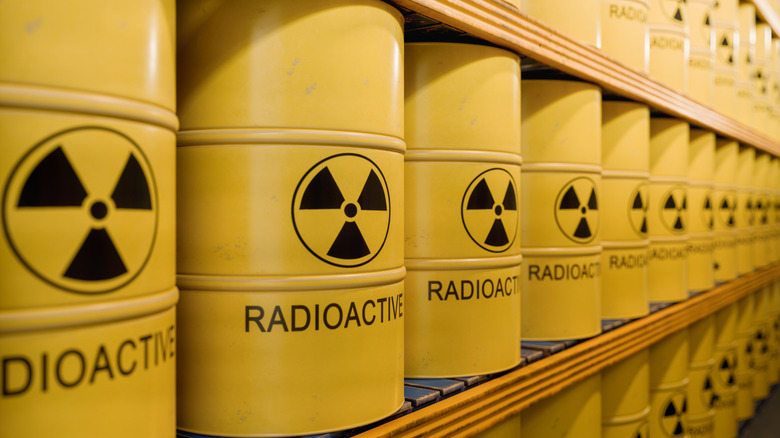
Nuclear energy is one of the most polarizing topics when it comes to ways of generating electricity. On one hand, there are those who believe nuclear is a much better alternative to fossil fuels and promise a better, cleaner future, devoid of air pollution and a degrading atmospheric layer. On the other hand, there are people who warn about how nuclear waste is extremely dangerous, and the risk is too high to be allowed on larger scales. What’s the truth behind it, and is nuclear waste really a huge problem?
In this case, both sides are true. Using nuclear energy has a lot of benefits: The intensive use of coal and oil has caused potentially irreversible harm to our planet, with the ozone layer deteriorating and levels of pollution rapidly escalating. Despite that, though, it’s also true that nuclear waste carries significant risks when handled improperly, and can indeed result in horrifying accidents and nuclear disasters.
Fortunately, since Chernobyl, humanity has gotten very good at producing nuclear energy, including managing the security risks that may result in any disasters. The chance of mismanagement is still there, but managing nuclear power results in fewer deaths overall (both directly and indirectly) than other methods of generating power. The potential for large-scale fatal accidents is much higher in hydroelectric plants, and a lot more deaths are caused indirectly by inhaling fossil fuel waste than by radioactivity from nuclear waste. Nuclear waste still has its dangers, but they’re not anywhere near as deadly as many might think.
What makes nuclear waste dangerous?
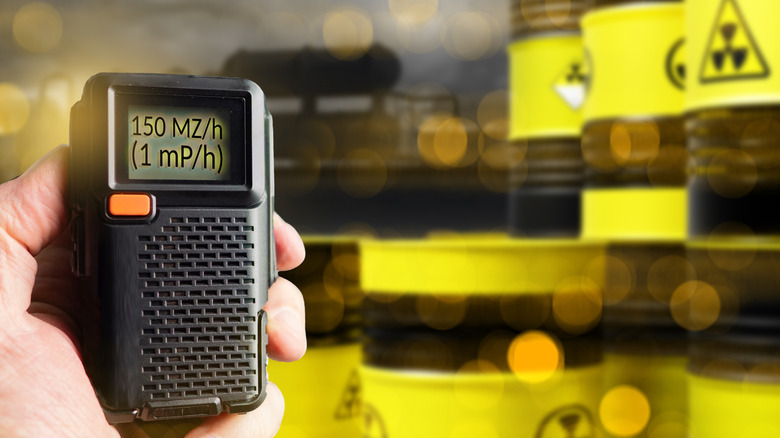
To understand the dangers of nuclear waste, we first need to define it properly. Waste produced by nuclear power plants can be put into three categories: Low-Level Waste (LLW), such as clothing or tools present in the same space where the fission occurs; Intermediate-Level Waste (ILW), like filters directly involved with production; and High-Level Waste (HLW), which includes the toxic radioactive remains of uranium.
Low-Level Waste and Intermediate-Level Waste aren’t that different from the toxic leftovers produced by non-nuclear power plants, and can be treated fairly easily. These make up around 97% of all waste produced in generating nuclear energy, leaving behind only 3% that’s truly dangerous. This is an immensely small number, and it’s what most people refer to when they say nuclear waste. This kind of nuclear waste is dangerous, but only if not handled properly. Most people won’t be touching this waste directly, which makes nuclear not only one of the safest, but also one of the cleanest sources of energy.
There’s an incredibly low chance that any of this waste leaks out and causes a problem, at least for the next century. The real danger of nuclear waste comes from how long it stays radioactive after it’s used as fuel, and the methods used to dispose of it. We don’t have any way of properly dealing with nuclear waste long term. Most countries (including the U.S.) store this waste in impenetrable containers meant to last decades. This nuclear waste can last for hundreds of thousands of years, though, which makes this method only a temporary fix. An alternative is creating semi-permanent repositories that can last up to hundreds of thousands of years, something Finland has already done, with other countries having similar plans.
Nuclear waste can be useful
Fortunately, there are ways of significantly cutting down on the amount of nuclear waste, they’re just not widely used methods. The main way is to reuse what we consider nuclear waste as fuel, cutting down the amount of waste material produced significantly. This might seem like a theoretical practice, but it’s something we’ve had the technology for the past 50 years; with countries like France, India, and Russia already making full use of it.
The reason the U.S. and many other countries refuse to do it is twofold: After the incident at Chernobyl, and instances of deliberate misuse of nuclear waste in creating military weapons, the U.S. banned nuclear repurposing for a time. This ban was lifted eventually, but the country had already invested in a power plant structure that worked with single-use nuclear compounds. Secondly, and perhaps more importantly, this process is very expensive. It’s much easier to buy more uranium and throw it away than it is to develop new plants with brand-new infrastructure, which is why nuclear energy doesn’t supply a majority of our power needs.
Reusing nuclear waste means separating the more dangerous, non-processable fractions (mainly plutonium) from what can still be used when isolated: the remains of uranium. This cuts down the amount of waste produced, since being able to use compounds from the same uranium multiple times means a lot less of it will be consumed. The long lifespans of nuclear waste also start from the first time they’re used, so being able to repurpose them also means they’ll need to be stored for a lesser amount of time. France is doing this on an incredibly large scale, which is why 70% of all its energy is nuclear.
