


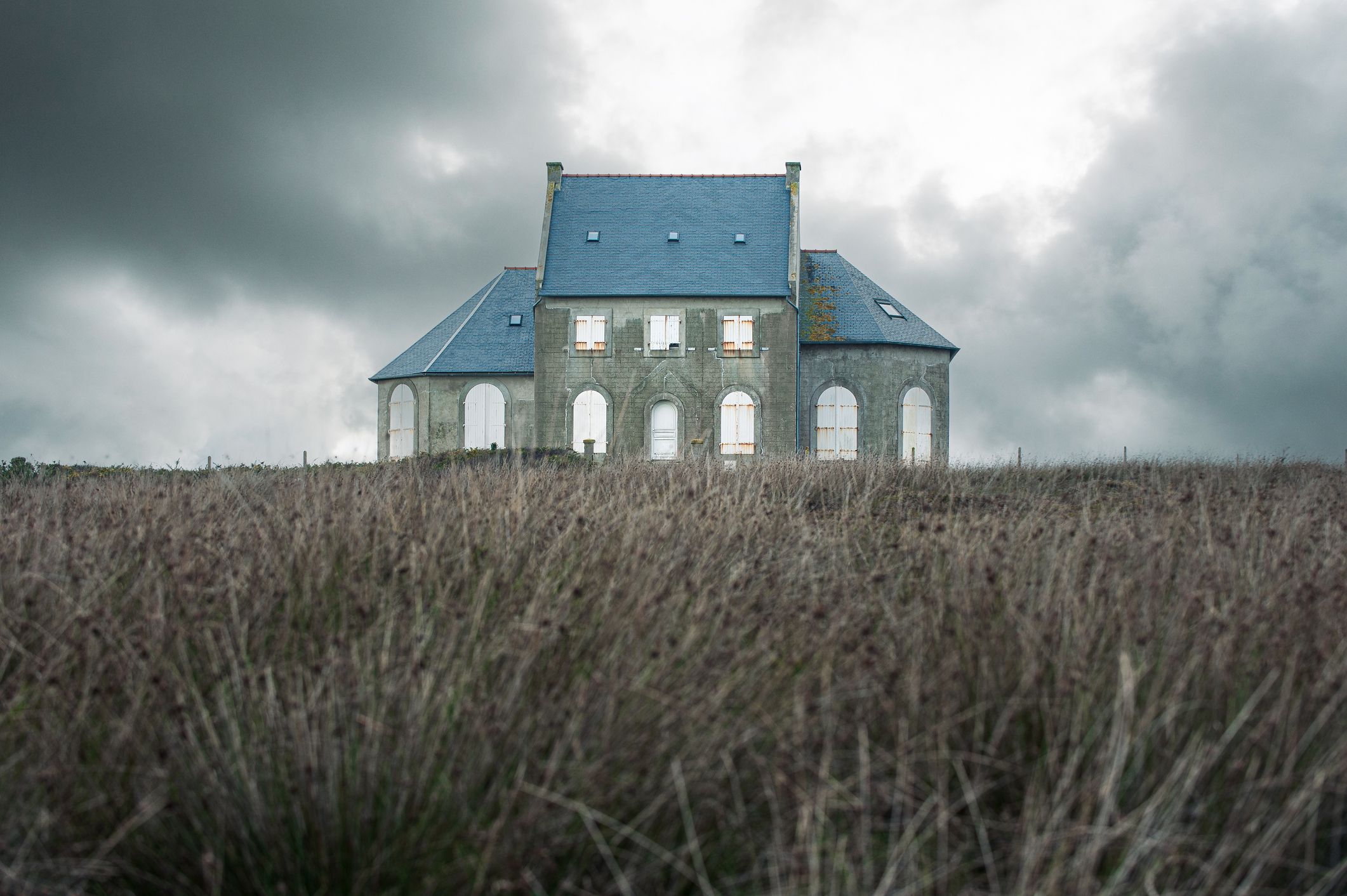
You don’t need ghosts in the attic to scare off homebuyers. Sometimes a home’s past is spooky enough. Even the most beautiful homes can give buyers pause if their backstory raises eyebrows.
Whether it’s a murder, a suicide, a notorious crime or even a rumor of paranormal activity, homes with unsettling histories are known in real estate as “stigmatized properties.”
For sellers, that stigma can raise difficult and occasionally eerie questions. Do you have to tell buyers your house is haunted? And could it hurt your home’s value? Here’s what to know about disclosing (and marketing) a home with a haunted reputation.
Sign up for Kiplinger’s Free Newsletters
Profit and prosper with the best of expert advice on investing, taxes, retirement, personal finance and more – straight to your e-mail.
Profit and prosper with the best of expert advice – straight to your e-mail.
What is a “stigmatized” home?
A stigmatized property isn’t physically defective; it’s psychologically or socially marked in a way that might make buyers uneasy. That could include:
- A death on the property
- A crime, such as a murder or drug activity
- A history of paranormal reports or local lore
- Past ownership by someone notorious or controversial
Even when a home is in excellent condition, perception can be as powerful as reality. A death on the property might be enough to turn them away, and that’s not always something sellers can easily prove or explain.
Others might simply fear the unwanted attention that comes with a home known for ghost tales or true-crime rumors.
Stigma can influence a sale, from fewer showings to lower offers. Still, not all stigmatized properties lose value. As a young real estate agent, I was often surprised by how many of these listings drew extra interest from buyers eager to own a piece of history.
I once helped a client purchase a commercial property in Detroit, rumored to have ties to the mafia in the 1920s. The basement still showed traces of its past with remnants of a speakeasy that hinted at the city’s bootlegging era. Rather than scaring buyers away, the building’s story added intrigue. The couple who bought it were thrilled to own a slice of Detroit’s history.
In that case, the seller didn’t have to disclose it, but depending on where you live, the rules around what sellers must reveal can be surprisingly different.
The surprising patchwork of state disclosure laws
When it comes to disclosing a home’s haunted history, the rules are far from uniform, and in some states, silence is perfectly legal.
Only a handful of states have specific statutes addressing stigmatized properties.
- California: Sellers must disclose any death that occurred on the property within the past three years.
- Alaska: Agents must disclose a murder or suicide that happened on the property within the past year.
- South Dakota: Sellers must disclose any homicide or suicide that occurred while they owned the property.
- Massachusetts, Minnesota and New Jersey: Sellers don’t have to disclose alleged paranormal activity, but if a buyer asks directly, they can’t lie.
In most other states, the rules are broader. Sellers generally must disclose material facts that could influence a buyer’s decision, and whether a haunting qualifies often comes down to interpretation.
It’s also worth noting that many real estate agents are bound by ethical disclosure rules that go beyond state law. If something about the property’s reputation could influence the sale, most real estate agents will err on the side of transparency. Real estate works best when you lead with honesty, even if it means revealing a skeleton or two in the closet.
How to price a home with a spooky reputation
Does a haunting hurt your home’s value? The data is mixed. A Zillow survey found nearly 70% of buyers would consider a haunted house if it met their other must-haves: price, location and amenities. Most said they’d expect a discount only if the haunting were well known or the property had been the site of a serious crime.
If your home has a complicated past, stick to facts, not folklore. Work with an agent who knows your state’s disclosure laws and can help position the property to get top dollar.
A spooky story doesn’t always scare off buyers. Some of the most notorious homes in America have sold for millions, proving that the right blend of history and intrigue can still attract serious offers.
Haunted homes that still sold for a scary good price
Even the most infamous properties can find buyers. These haunted or historically notorious homes prove that reputation doesn’t always stop a sale, though it can influence the price.

(Image credit: Boston Globe / Contributor)
The Conjuring House
Location: Burrillville, Rhode Island
Last sold for: $1.53 million (2022)
Built in 1736, this farmhouse inspired The Conjuring after reports of paranormal activity from the Perron family in the 1970s. It now operates as a destination for ghost tours and investigations.

(Image credit: Steven Wagner / Contributor)
LaLaurie Mansion
Location: New Orleans, Louisiana
Last sold for: $4.3 million
Once owned by socialite Madame Delphine LaLaurie, the mansion is infamous for the abuse of enslaved people in the 1830s. Actor Nicolas Cage later owned it before losing it to foreclosure.

(Image credit: Anadolu / Contributor)
Winchester Mystery House
Location: San Jose, California
Last sold for: $135,000 (1922)
Heiress Sarah Winchester spent decades expanding this labyrinth of a mansion, believed to be haunted by the spirits of those killed by Winchester rifles. It’s now valued in the millions.

(Image credit: Paul Hawthorne / Staff)
Amityville Horror House
Location: Long Island, New York
Last sold for: $605,000
Made infamous by the 1974 DeFeo family murders and the Amityville Horror book and films that followed, this colonial-style home sold for well below market value due to its tragic history. Despite renovations and address changes, its reputation remains one of the most notorious in American real estate.
What to say (and not say) when listing your home
If your home has a history buyers may have heard about, be mindful of your wording to prevent any Halloween-style surprises at closing.
Be honest, but not sensational. You don’t need to include “Murder House on Maple Street” in your property description, but you shouldn’t conceal facts that might be easily discovered with a Google search.
Answer questions directly. If a buyer asks, “Has anyone died here?” and the answer is yes, say so plainly. Honesty builds trust and reduces the risk of disputes later.
Avoid feeding rumors. If neighborhood gossip claims your house is haunted, you don’t have to validate it, but it’s smart to acknowledge what’s public record or widely known. “The home has been part of local folklore” is a neutral way to address it. When possible, provide documentation, news coverage or public records to clarify the facts.
Focus on positives. Emphasize the home’s strengths, updated systems, modern design, great location while being prepared to discuss its history privately if asked.
A not-so-scary ending for sellers
Haunted or not, every home has a story. If yours happens to include one that’s a little darker, you don’t need an exorcist, just a disclosure strategy.
Understand your state’s laws, be transparent when asked and work with a knowledgeable agent who can guide you through sensitive buyer conversations. After all, one person’s nightmare listing might just be another’s dream home.
Luckily, your home insurance policy doesn’t require you to disclose any ghosts. Use the tool below to explore and compare some of today’s top home insurance offers, powered by Bankrate:
