


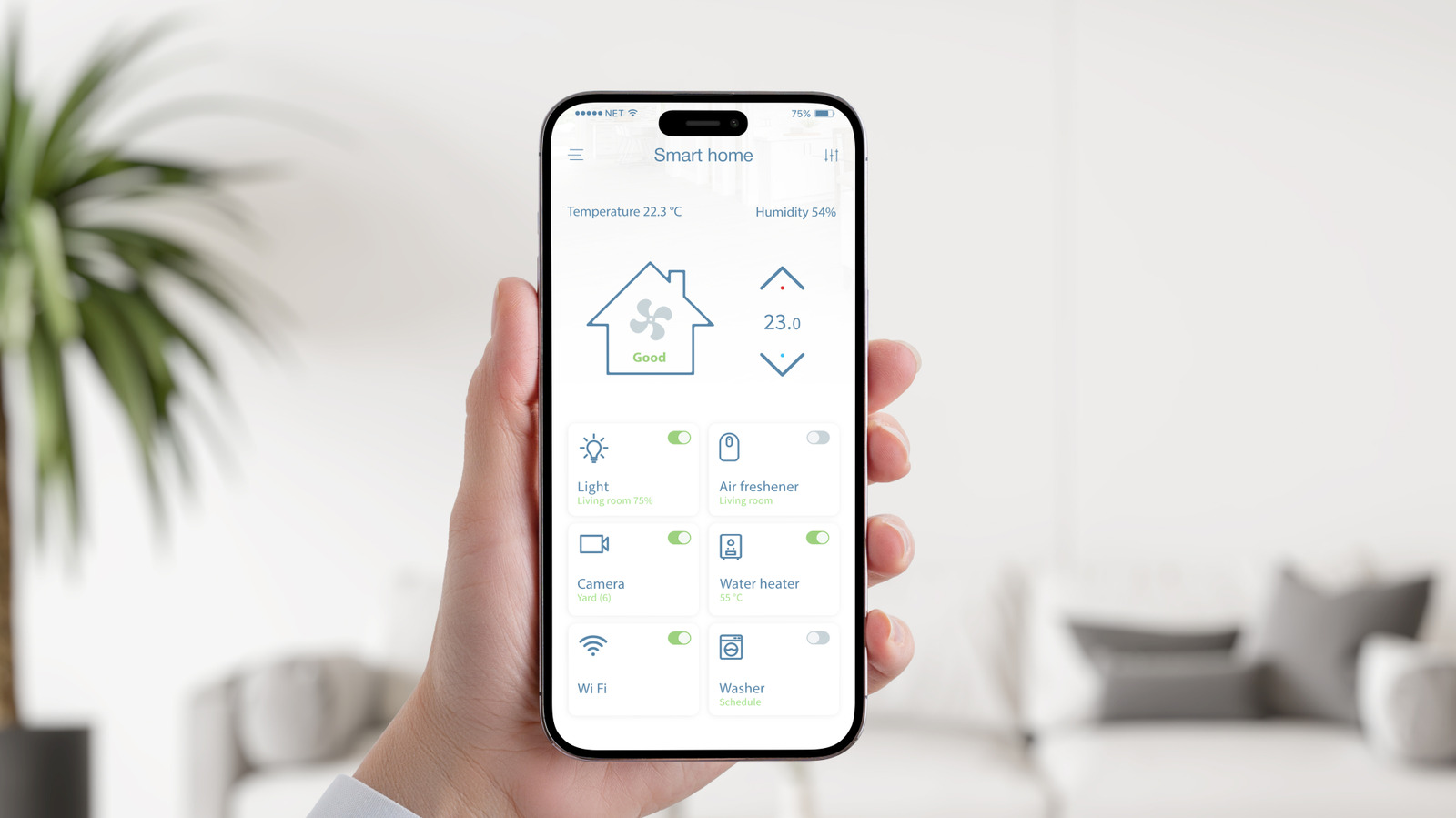
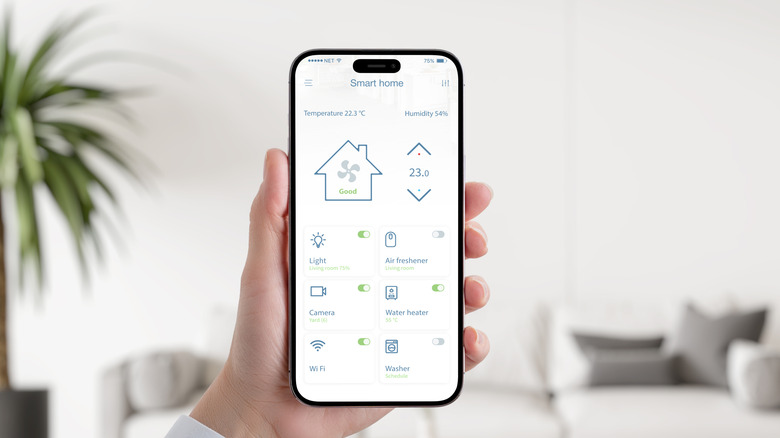
A smart home hub was once considered the most important item for anyone interested in building a connected household. Back then, if you wanted your lights, locks, and cameras to work together without worrying too much, investing in one hub was the best choice to make, since these small devices were able to unify everything. However, as with many other technologies, smart homes also evolved in recent years, and other better alternatives have emerged, making it easier to have control of everything.
Today, we have access to many more voice assistants than before, such as Amazon Alexa, Google Home, or Apple’s Siri, which have taken over many roles that a smart hub used to have. It’s possible to control everything with simple voice commands or even through apps available on smartphones. On top of that, some protocols like Matter, a next-gen smart home standard, and Thread allow many gadgets to talk directly with each other without needing a smart hub to act as a middleman.
For most users, there’s simply no need for a smart home hub anymore, since there are now many available alternatives to control other connected devices, be it with voice commands or with your smartphone. That way, it’s possible to build a fully functional smart home without the need to also have a dedicated hub, and knowing how each of these alternatives works can help you make the right choice when setting up your smart home.
A smart home hub creates more problems than it solves
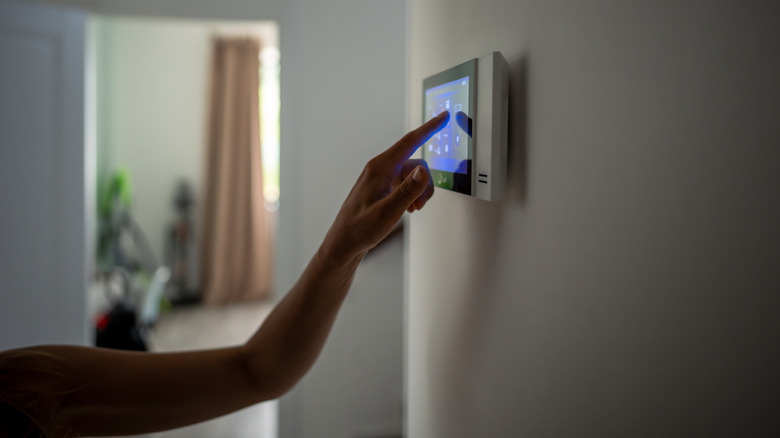
Despite being the best way to connect everything in the past, smart home hubs always had one major downside that still continues today, as relying on one device for everything is a risk. Since the hub is the only thing connecting every device to each other, if anything goes wrong, such as a smart home losing internet connection due to a bug or a power outage, every gadget controlled by it will stop working at once.
There’s the issue of these smart home hubs being discontinued by their manufacturers and users being left alone with little warning, as happened in 2022, when Insteon shut down its servers, leaving hubs and apps completely nonfunctional. This means that those who had built their entire smart homes around the platform were left without an alternative. Samsung already did something similar when it retired its original SmartThings Hub in 2021, requiring owners to buy a replacement and recreate every automation.
Additionally, smart home hubs add unnecessary cost and complexity to your house setup, especially because most people don’t really need them. Many modern smart devices work just fine over Wi-Fi or Bluetooth, and can connect directly to your smartphone, without the need for additional hardware. Despite the extra cost, you’ll also spend time trying to set everything right and have the ongoing risk of compatibility issues, creating complexity in something that should be simple.
Your phone and voice assistants can replace a smart home hub
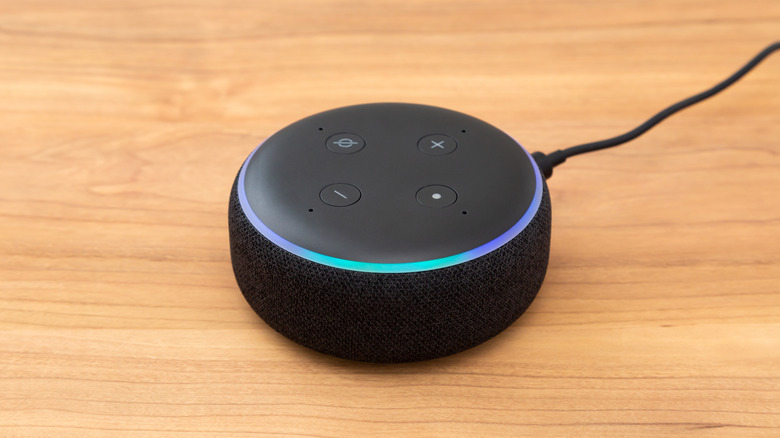
The good thing is that you don’t need a smart home hub anymore, but also probably already own another device that can replace it. For example, voice assistants can function in the same way, letting you manage devices, play music, and even create automations only using your own voice. These assistants, especially Alexa, are also designed for mainstream users, which means it’s easier to make everything work properly.
Every voice assistant comes with a companion app you can access on your smartphone, and they have also become far more capable than they used to be. Google Home, Amazon Alexa, and Apple Home allow users to do many things with their own smart devices, such as creating groups by rooms, routines, and many other ways to take full advantage or your smart home with these tools. Only Alexa, for example, is compatible with over 100,000 smart home devices, while also continuing to expand its own ecosystem.
For the vast majority of households, a phone and voice assistant are more than enough to run a fully functional smart home without need of extra hardware, which can be spent on other gadgets. Additionally, the rise of protocols like Matter and Thread has made the smart hub even less necessary, since Matter lets devices from different brands work together, while Thread connects gadgets directly through a mesh network, letting you connect your home easier.
