


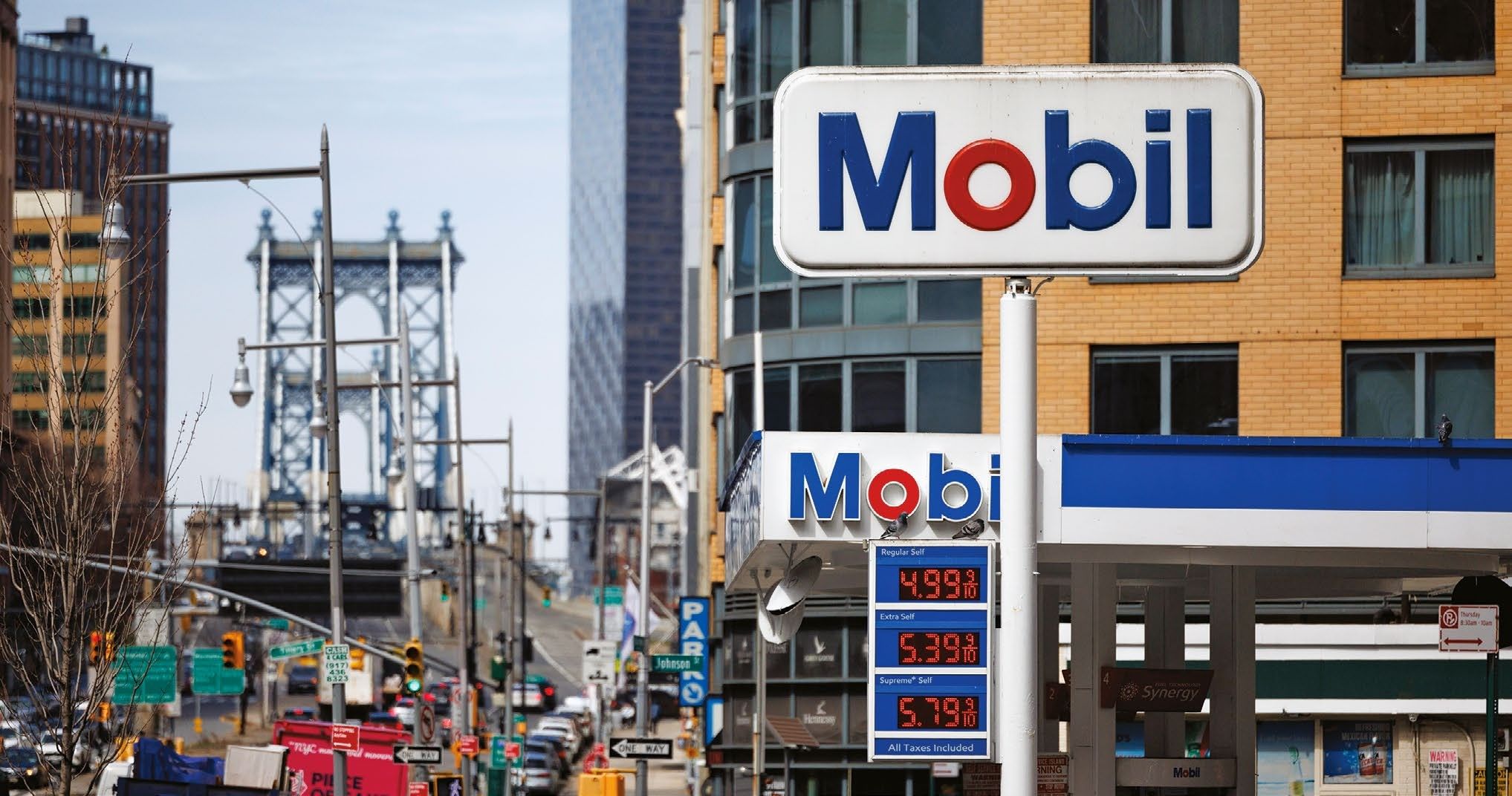
Energy has stopped being something most consumers think about, until suddenly they have to. The U.S. and Israel’s recent strikes on Iran pushed oil prices and energy security back to the top of the news cycle, and brought into sharp focus how little the average household actually understands about how oil is priced.
Why oil prices look chaotic
Oil markets move on three things in roughly equal measure: supply (how much OPEC+, U.S. shale, and other producers are pumping), demand (driven by global growth, travel, and industry), and geopolitics (sanctions, conflict, shipping lane risk). When two of those align, prices spike fast. When all three move together, the spike is severe.
What “the oil price” actually refers to
News headlines usually mean WTI (West Texas Intermediate) or Brent crude. Both are benchmarks. Your local gasoline price is downstream of those, but also adds refining margins, taxes, distribution, and seasonal blends. That is why pump prices do not always track the headline crude move on a daily basis.
How much of your budget is oil-linked
Most households underestimate this. Direct exposure is gasoline and home heating oil. Indirect exposure runs through groceries (transport), airfares, plastics, packaging, and almost every consumer good. A sustained 20 percent rise in crude often shows up as a 3 to 5 percent rise in monthly household expenses within a quarter or two.
What individuals can actually do
Three practical moves. Track your gallon-per-month usage and compare it across seasons. Lock in heating costs early when prices dip. And resist the urge to make big vehicle purchases during price shocks, since the trade-in value of inefficient cars also drops at the same moment.
This is general energy market context, not investment advice. For trading or hedging decisions, talk to a qualified financial professional.
