

Close Menu
Finsider

    Subscribe to Updates

    Get the latest creative news from FooBar about art, design and business.

    What's Hot

    Anthropic to challenge DOD’s supply-chain label in court

    March 6, 2026

    5 Dolly Parton Quotes Retirees Should Live By

    March 6, 2026

    Should I buy Rolls-Royce shares as they march ever higher?

    March 6, 2026
    Facebook X (Twitter) Instagram
    Trending
    • Anthropic to challenge DOD’s supply-chain label in court
    • 5 Dolly Parton Quotes Retirees Should Live By
    • Should I buy Rolls-Royce shares as they march ever higher?
    • Why Did TV Manufacturers Stop Using Plasma Panels?
    • Can AI do my taxes? Learn prompts, risks, and 3 ways AI can help.
    • Robinhood Is Breaking With Wall Street by Paying Dividends Early
    • Immigration as a Supply-Chain Strategy for Global Companies |
    • Iran Hits Gulf Tanker, Dow Drops 784 Points: Stock Market Today
    Facebook X (Twitter) Instagram Pinterest Vimeo
    Finsider
    • Markets & Ecomony
    • Tech & Innovation
    • Money & Wealth
    • Business & Startups
    • Visa & Residency
    Finsider
    Home»Tech & Innovation»Why Did TV Manufacturers Stop Using Plasma Panels?
    Tech & Innovation

    Why Did TV Manufacturers Stop Using Plasma Panels?

    FinsiderBy FinsiderMarch 6, 2026No Comments3 Mins Read
    Share Facebook Twitter Pinterest LinkedIn Tumblr Reddit Telegram Email
    Why Did TV Manufacturers Stop Using Plasma Panels?
    Share
    Facebook Twitter LinkedIn Pinterest Email


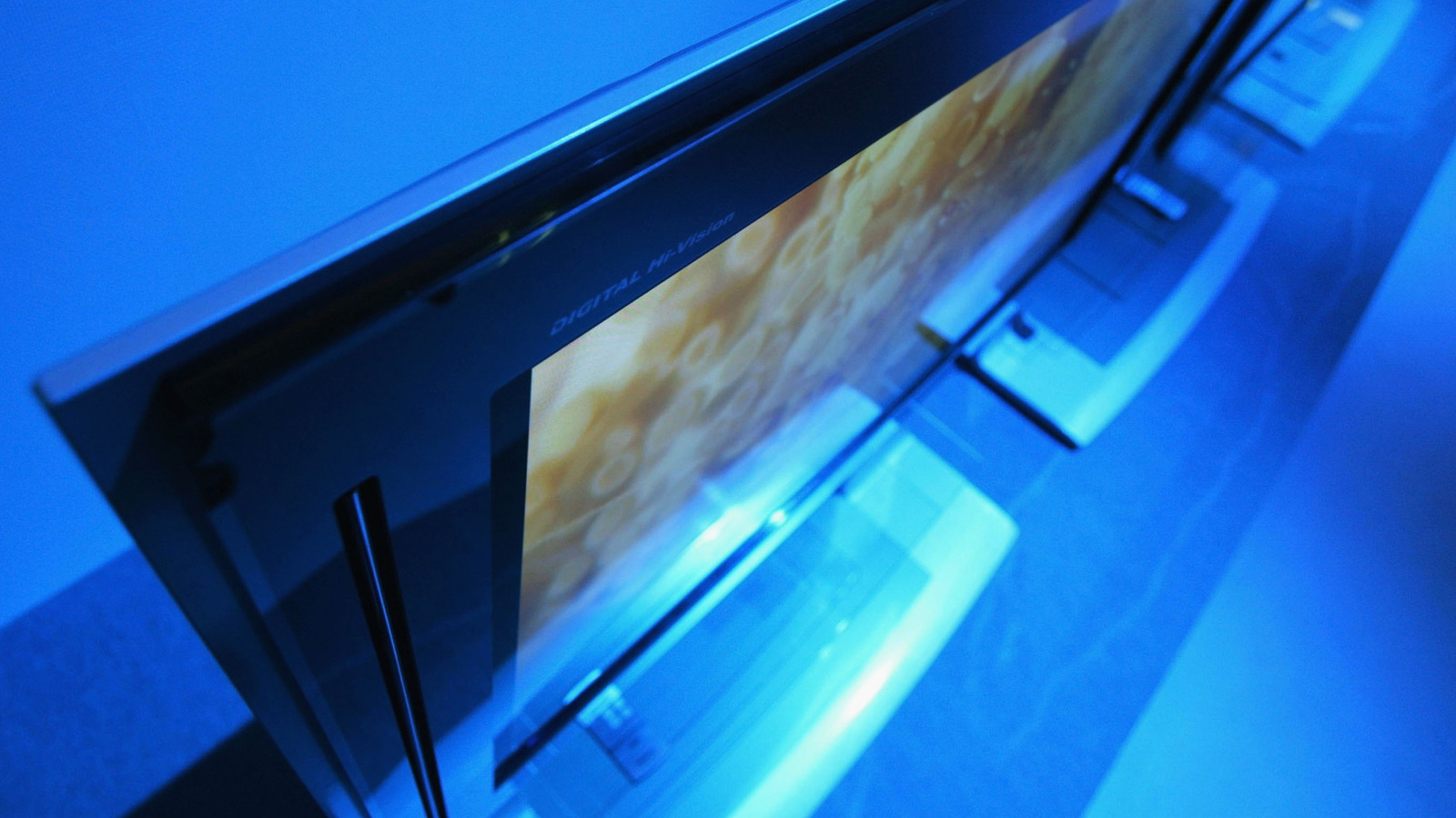
    The top corner of a plasma TV screen made by Panasonic
    Koichi Kamoshida/Getty Images

    At one point in time, in the early-to-late-2000s, you would only have a couple of great options when upgrading to a new HD TV and away from traditional CRT and projection screens. The two primary flat panel types were LCD and plasma, and, back then, large-screen LCD panels were much more expensive, before the technology became widely accessible.

    Plasma panel TVs used gas pockets, as the name suggests, which would release light when charged with electricity, giving them the bright, vibrant picture on the display. Unlike LCDs, plasma TVs utilized phosphor cells in red, green, and blue colors, which would be combined to create the final pixel or frame. Because of how they worked, they required high amounts of power compared to other technologies, and also produced excessive heat. In fact, a large majority of plasma TV failures, which resulted in repairs, came from overheating.

    The benefit is that the self-emissive technology meant they didn’t need a backlight, and worked great in low-light and indoor conditions — but not bright environments unlike today’s LED-LCD panels — and compared to older LCDs, they produced a sharp, vivid picture especially at larger sizes. But when LED backlighting for LCD panels was introduced, and later OLED became popular, it was a death knell for plasma TV technology. Suddenly LCDs were brighter, cheaper, easier to manufacture, more lightweight, and delivered a picture that was just as high-quality. Also happening, 4K TVs were becoming more popular as an upgrade over HD, and creating a 4K-capable plasma TV would be inordinately expensive compared to LCD or LED formats.

    Why did plasma technology become popular in the first place?


    Modern flat panel TV mounted on the wall in a living room
    Onurdongel/Getty Images

    When plasmas became popular, it was largely because of the advantages the technology offered compared to CRT and projection TVs, which were always pretty bulky. Moreover, while CRT or cathode ray tube televisions are known to give off small amounts of radiation, plasma TVs do not, despite containing rare forms of gas inside. Neither do LCD TVs.

    The biggest advantage of early plasma panels was how extremely thin they could be. They were also very bright, and since each pixel was illuminated individually, they offered incredible viewing angles, making them perfect for a large living room or big theater-size TVs. They also had extremely high refresh rates, up to 600Hz in some cases, although that number was partially marketing speak, and doesn’t impress quite as much compared to LCD and LED TVs today — many of which provide rates from 60Hz up to 240Hz.

    But even so, they were expensive, and as more people learned how much power they consumed that also became a major contention point. Competing technologies got better pretty fast too, while also remaining affordable, and that has only gotten better year after year. It makes sense that manufacturers eventually moved away from developing and deploying the technology. Besides, modern OLED panels look incredible, which is one, of many, solid reasons why manufacturers have swapped primary panel technologies.


    Manufacturers Panels Plasma stop
    Share. Facebook Twitter Pinterest LinkedIn Tumblr Email
    Previous ArticleCan AI do my taxes? Learn prompts, risks, and 3 ways AI can help.
    Next Article Should I buy Rolls-Royce shares as they march ever higher?
    Finsider
    • Website

    Related Posts

    Tech & Innovation

    Anthropic to challenge DOD’s supply-chain label in court

    March 6, 2026
    Tech & Innovation

    Cluely CEO Roy Lee admits to publicly lying about revenue numbers last year

    March 5, 2026
    Tech & Innovation

    The Samsung Galaxy S26 Ultra’s Privacy Feature Makes Me Want To Ditch The iPhone

    March 5, 2026
    Add A Comment
    Leave A Reply Cancel Reply

    Top Posts

    Cursor snaps up enterprise startup Koala in challenge to GitHub Copilot

    July 18, 2025

    What is Mistral AI? Everything to know about the OpenAI competitor

    July 18, 2025

    Analyst Report: Kinder Morgan Inc

    July 18, 2025
    Stay In Touch
    • Facebook
    • YouTube
    • TikTok
    • WhatsApp
    • Twitter
    • Instagram
    Latest Reviews

    Subscribe to Updates

    Get the latest tech news from FooBar about tech, design and biz.

    Most Popular

    Using Gen AI for Early-Stage Market Research

    July 18, 2025

    Cursor snaps up enterprise startup Koala in challenge to GitHub Copilot

    July 18, 2025

    What is Mistral AI? Everything to know about the OpenAI competitor

    July 18, 2025
    news

    Anthropic to challenge DOD’s supply-chain label in court

    March 6, 2026

    5 Dolly Parton Quotes Retirees Should Live By

    March 6, 2026

    Should I buy Rolls-Royce shares as they march ever higher?

    March 6, 2026

    Subscribe to Updates

    Get the latest creative news from FooBar about art, design and business.

    © 2020 - 2026 The Finsider . Powered by LINC GLOBAL Inc.
    • Contact us
    • Guest Post Policy
    • Privacy Policy
    • Terms of Service

    Type above and press Enter to search. Press Esc to cancel.