


What’s The Difference Between IPS And VA Monitors? keeps showing up in conversations for a reason. The story below covers what is actually happening, where the trade-offs sit, and what a careful reader should take from it.
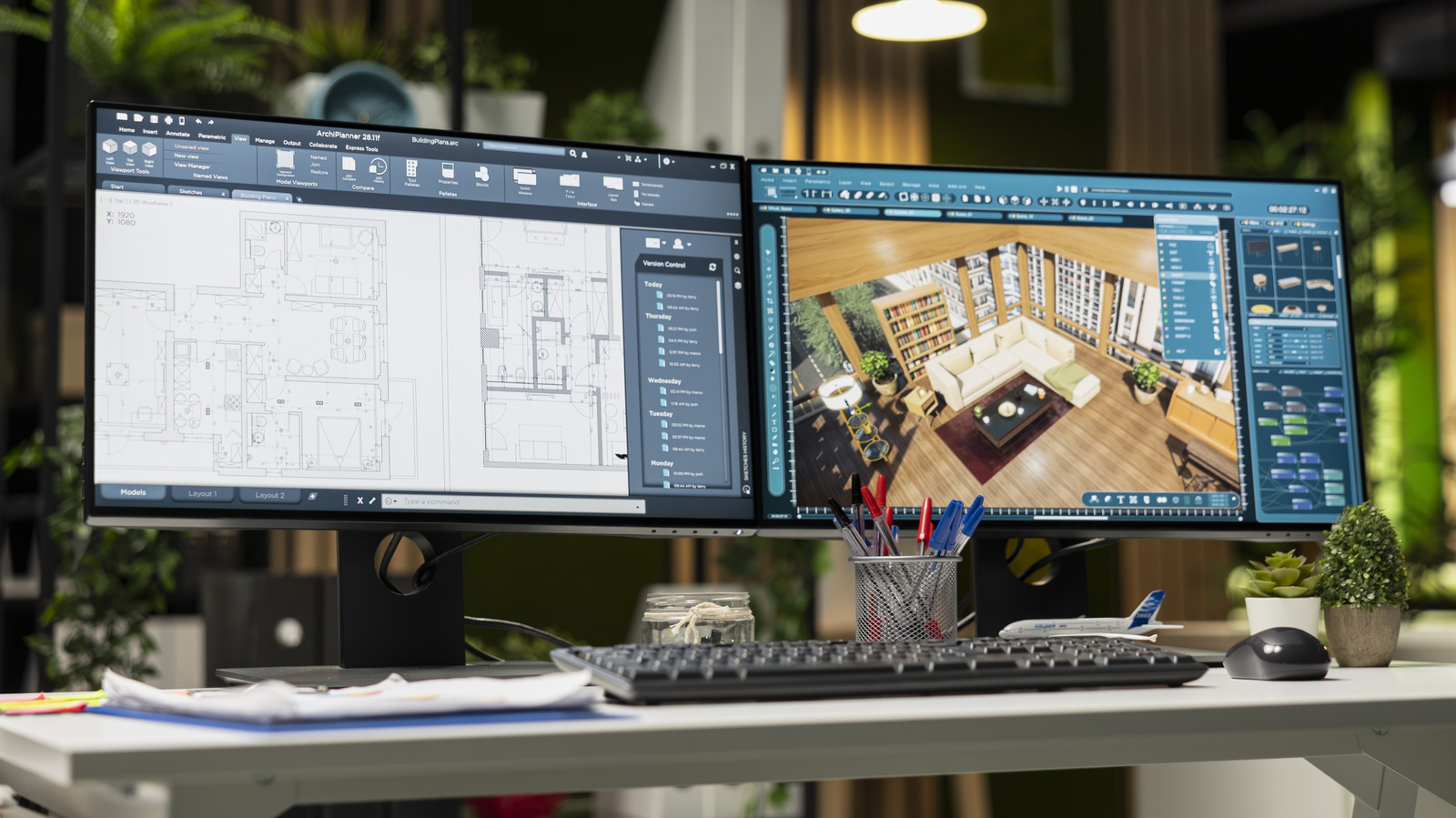
When you are shopping for a new monitor, you’ll no doubt notice that each display usually offers a lot of variety in its build and available features. While most of the flagship screens are switching to OLED displays as the new standard, you can also still find some LCD panels using VA or IPS LCD. Even though they do not have the same reputation as OLED, both displays offer some advantages, depending on your goals, budget, and the overall experience you’re seeking.
VA, or Vertical Alignment, panels have a lot of contrast and deeper blacks, which makes them great for watching movies and TV shows, and even some games are better when played on one of those screens, especially those where fine visual details are important. IPS (In-Plane Switching) displays, on the other hand, make up for the lower contrast with better color accuracy, which usually makes them a good choice for editing photos and videos.
If you don’t want to pay the extra cost of an OLED, the choice between VA and IPS comes down to personal preferences and needs. The differences between a VA monitor and an IPS monitor can be fairly subtle for the average user, but they can make a big difference if your situation has specific demands.
Vastly different colors, speeds, and contrast

The biggest difference between an IPS and a VA monitor lies in how each one handles things like color, response time, and contrast. VA generally delivers better contrast performance, especially for darker scenes, which greatly improves immersion in many games and movies. At the same time, you need a clear viewing point in the center of the image, because if you stand to the side of that angle, you will not get the same sharpness, brightness, or color fidelity.
IPS solves that viewing problem, allowing you to see clearly what is on the monitor even when you are not in an ideal position. In addition, IPS also handles fast image transitions better. So in a competitive online game or something with more action, the response time between your click and what happens on screen is lower. In practice, this makes the experience cleaner during action moments. Of course, the tradeoff is that IPS usually doesn’t handle contrast or dark scenes as well as VA does.
In the end, no display is superior to the other option. Everything depends more on your user profile when you buy the monitor. If you value a more cinematic experience when watching or playing something, especially single-player experiences, a VA monitor will be the better option. Meanwhile, even though TV makers abandoned IPS, the panel is still better for fluidity and for people who work with video editing.
Price and availability weigh in, too

Another thing that usually varies a lot between these two monitor panels, and that you should consider, is price. Even though VA and IPS have different strengths and weaknesses that tend to balance out, that does not translate into similar pricing between the two. VA is a technology that manufacturers have explored more, so you can find cheap computer monitors that use it, especially large screens.
IPS, on the other hand, for a long time was associated with premium monitors, much like OLED carries similar prestige today, though it is more accessible now. Even so, the prices you pay for a monitor with this technology are usually a bit higher than those for VA, especially because they offer better color reproduction and more consistent performance.
Beyond the price itself, it is worth keeping an eye on some other technical specifications of monitors. For example, VA panels that offer one-millisecond response time may look like a good deal, but they rely on some techniques, such as backlight strobing, to reach that number, which can make fast scenes look blurry. IPS can make a more natural transition, which makes its one millisecond feel smoother when playing some games.
