


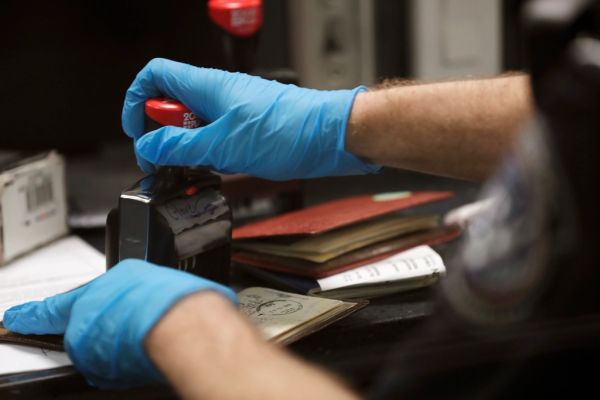
Finding the easiest countries to get permanent residency depends on your financial resources, career path, and long term relocation goals. Many nations offer streamlined pathways through investment, retirement programs, or skilled migration to attract global talent and capital. By understanding the specific timelines and minimum costs of each program, you can secure secure residency status with minimal administrative friction.
Which are the easiest countries to get permanent residency by investment?
Residency by investment remains the fastest pathway for those with capital. Several nations offer structured programs that grant immediate residency or a direct path to permanent status after a set holding period. Please note that this is general information and not financial advice.
- Panama: The Friendly Nations Visa allows citizens of approximately 50 countries to obtain permanent residency by investing 200,000 US dollars in real estate or bank deposits. The process takes as little as four to six months.
- Greece: The Golden Visa program grants a five year renewable residency permit for a minimum real estate purchase of 250,000 to 800,000 Euros, depending on the region. It requires no physical stay to maintain the residency.
- Spain: Investors can secure residency by purchasing real estate worth 500,000 Euros or more. While it starts as a temporary visa, it leads to permanent residency after five years of continuous living in the country.
Which nations offer the easiest residency pathways for remote workers?
If you do not have hundreds of thousands of dollars to invest, your income can still unlock global residency. Remote workers can transition from temporary stays to permanent status by utilizing dedicated pathways. Many professionals start by researching the best digital nomad visas in the world to test a country before committing to long term settlement.
Portugal is a prime example of this transition. The D8 Digital Nomad Visa and the D7 Passive Income Visa require applicants to show a stable monthly income of approximately 3,280 Euros. After five years of holding these temporary permits and meeting basic language requirements, residents can apply for official permanent status.
Malta also offers a Nomad Residence Permit for individuals earning at least 3,500 Euros per month. While the nomad permit itself does not lead directly to permanent residency, Malta offers separate residency programs for self employed individuals and investors that do.
How do retirement visas compare for permanent settlement?
Retirees can access some of the most affordable and straightforward residency programs globally, provided they have a guaranteed pension or passive income. These programs typically bypass the need for major business investments or local employment.
The Philippines offers the Special Resident Retiree Visa for individuals aged 50 and older. It requires a active bank deposit of 10,000 to 20,000 US dollars and a monthly pension of 800 US dollars for individuals. It grants indefinite stay privileges and multiple entry rights.
In Latin America, Colombia offers a Migrant Pensionado Visa for those with a monthly income equal to at least three times the national minimum wage, which is approximately 1,000 US dollars. After holding this visa for five years, holders can successfully transition to a resident visa.
What are the key tax and travel benefits to consider?
Choosing a destination is not just about the ease of entry. You must also evaluate how a new residency affects your global tax liabilities and freedom of movement.
- Schengen Zone Access: European programs like those in Greece and Spain grant visa free travel across 29 European countries, making them highly attractive for business travellers.
- Tax Optimization: Countries like Panama and Costa Rica operate on a territorial tax system. This means they only tax income earned within their borders, leaving your foreign source income untaxed.
- Physical Presence Requirements: Some countries require you to live there for 183 days per year to maintain residency, while others require only a few days per year. Choose a program that fits your actual lifestyle.
Frequently asked questions
What is the difference between temporary and permanent residency?
Temporary residency allows you to live in a country for a specific period, usually one to five years, and requires regular renewals. Permanent residency grants indefinite stay privileges and often serves as the final step before applying for citizenship.
Do I need to speak the local language to get permanent residency?
Many countries require basic language proficiency tests for permanent residency, especially in Europe, though some investment programs waive this requirement.
Can I work locally with a permanent residency permit?
In most cases, yes. Unlike temporary visas or nomad visas, permanent residency typically grants full rights to seek local employment and start businesses.
Image: Openverse (public domain)
