


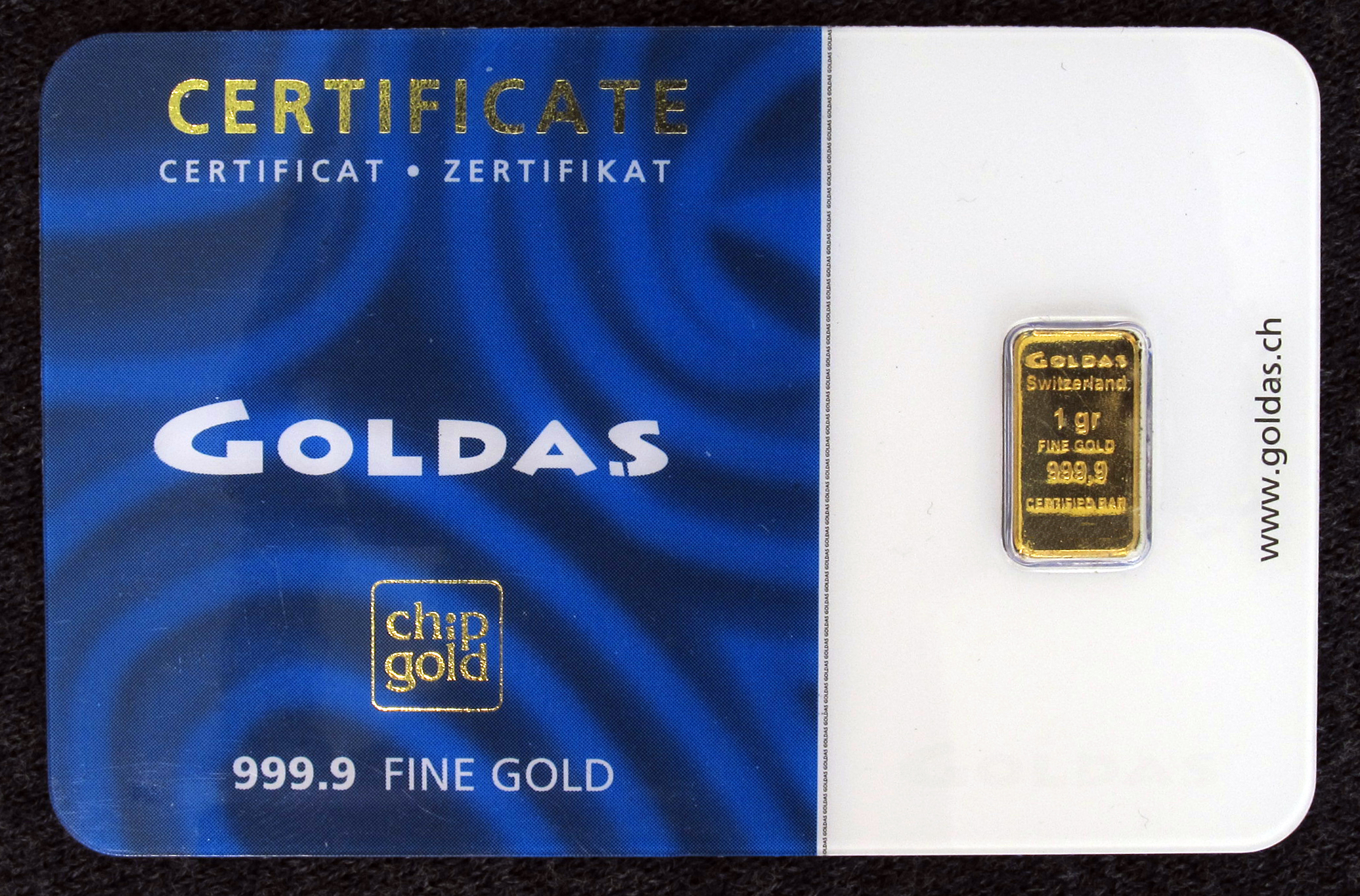
When international instability rises, global markets often experience significant volatility, causing investors to reevaluate their portfolios and look closely at the gold price forecast. Historically, precious metals have served as a reliable sanctuary during times of diplomatic friction and regional conflict. As traditional currencies and equities face downward pressure from escalating global tensions, the intrinsic value of physical gold tends to attract both institutional and retail buyers looking to preserve their capital.
The relationship between geopolitical risk and commodity pricing is well documented. When major energy producing regions experience instability, the threat of supply disruptions can trigger inflationary fears. Because inflation erodes the purchasing power of fiat currencies, investors naturally turn to hard assets. This collective flight to safety creates a surge in demand, which in turn supports elevated trading levels for precious metals globally, keeping prices well above historical averages.
How Geopolitical Tension Impacts the Gold Price Forecast
To understand the gold price forecast, one must look at how central banks and large financial institutions react to international crises. During periods of heightened risk, central banks in emerging markets often accelerate their purchases of gold bullion to diversify their reserves away from foreign currencies. This institutional buying provides a strong floor for the market, ensuring that any price corrections remain limited in scope even if retail demand fluctuates.
Furthermore, currency fluctuations play a major role in how these assets are valued. Because international commodities are primarily priced in United States dollars, any weakness or strength in the greenback directly influences global affordability. During deep international crises, the dollar and gold sometimes rise in tandem, reflecting a universal desire among global wealth managers to exit riskier emerging market equities and debt instruments in favor of highly liquid, defensive assets.
Managing Portfolio Risk with Precious Metals
For individual savers and investors in the Gulf region and beyond, incorporating precious metals into a broader financial strategy requires careful timing and an understanding of market cycles. While gold does not pay a dividend or yield interest, its role as an inflation hedge and a portfolio diversifier is difficult to match during prolonged periods of global friction. Analysts often suggest that a modest allocation to physical assets can help cushion a portfolio against sudden equity market downturns.
However, entering the market during a peak price cycle carries its own set of risks. Please note that this article is intended for general informational purposes only and does not constitute professional financial advice. Anyone considering major asset purchases should consult with a qualified advisor to align these decisions with their personal risk tolerance and long term financial goals.
Ultimately, the trajectory of precious metals will remain closely tied to how international diplomatic efforts unfold. If diplomatic resolutions are reached, speculative premium can quickly exit the market, leading to a stabilization of prices. Conversely, if regional disputes drag on or intensify, the support pillars for safe haven assets will likely remain firm, keeping the metal at the top of global investor watchlists for the foreseeable future.
Image: Openverse (public domain)
