


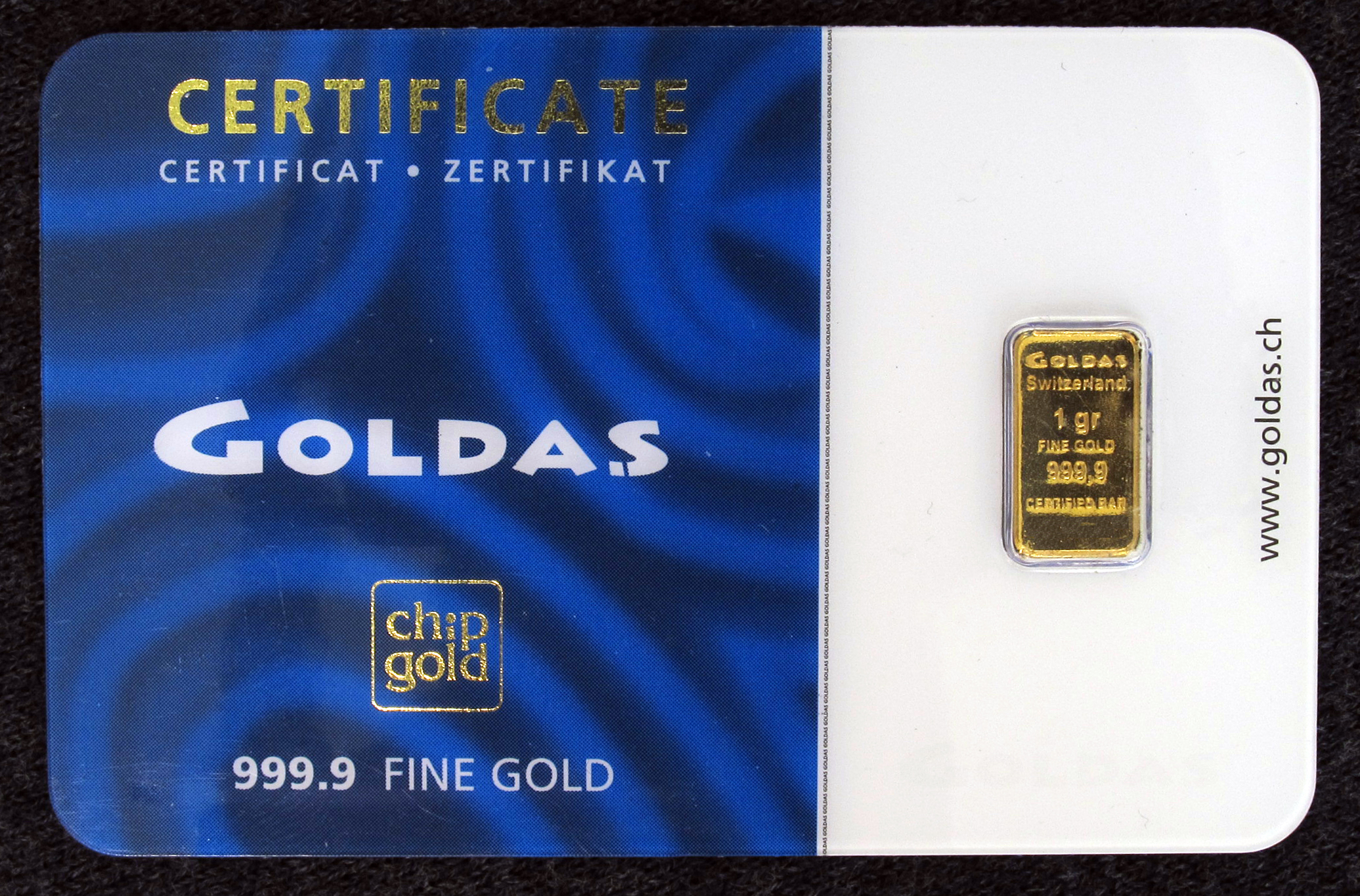
In times of economic instability, global investors frequently turn to precious metals to protect their wealth, which explains why gold is a safe haven asset during periods of market turbulence. This physical commodity has maintained its allure for thousands of years, serving as a reliable store of value when fiat currencies lose their purchasing power. Unlike paper money, which central banks can print in unlimited quantities, the supply of physical gold remains relatively scarce and difficult to extract from the earth.
Understanding the mechanics behind this precious metal can help savers make more informed decisions about their portfolios. When inflation rises, the purchasing power of traditional currencies tends to decline. During these inflationary cycles, tangible assets like precious metals often retain their intrinsic value, acting as a natural hedge. Investors should note that this article is for informational purposes only and does not constitute professional financial advice.
The Core Reasons Why Gold is a Safe Haven
Historically, the primary reason why gold is a safe haven relates to its independence from banking systems and governments. When a country experiences severe economic distress or currency devaluation, local assets can lose their worth overnight. Physical gold, however, is globally recognized and can be liquidated in almost any country, providing unmatched liquidity and security for international wealth preservation.
Furthermore, the performance of precious metals often exhibits a low or negative correlation with traditional financial markets. When stock markets experience steep declines, gold prices frequently move in the opposite direction or remain stable. This negative correlation makes the metal an excellent diversification tool, helping to smooth out portfolio volatility and protect capital when equities and bonds face downward pressure.
How to Incorporate Precious Metals Into Your Portfolio
For modern investors looking to capitalize on these protective qualities, there are several ways to gain exposure to the metal. Physical ownership through bullion bars and coins remains a popular choice for those who prefer direct control over their assets. This method requires secure storage solutions, such as private vaults or bank safety deposit boxes, which can incur additional ongoing costs.
Alternatively, exchange traded funds and gold certificates offer a more convenient route for retail investors who want exposure to price movements without the logistical challenges of physical storage. Whichever method you choose, allocating a modest portion of your portfolio to precious metals can provide a reliable buffer against systemic shocks and currency devaluation over the long term.
Image: Openverse (public domain)
