


Understanding the movements behind the gold price today requires a close look at how global macroeconomic indicators influence investor sentiment. Precious metals have historically served as a reliable indicator of broader economic health, reacting swiftly to shifts in monetary policy, currency valuations, and inflationary expectations. When traditional markets experience periods of recalibration, capital frequently flows into tangible assets, driving up valuations across the board.
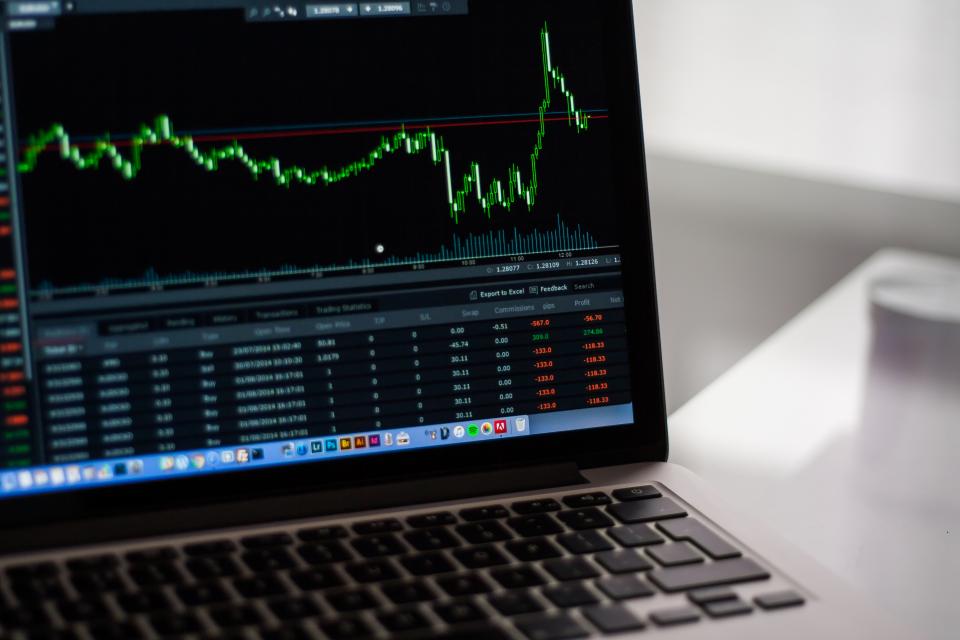
Recent market activity demonstrates that the gold price today has reached a fresh weekly high, a movement that financial analysts attribute to a notable cooling of inflation anxieties. As cost of living pressures begin to moderate in major global economies, central banks are widely expected to adjust their aggressive stance on interest rates. This transition from a hawkish monetary policy to a more neutral or accommodative posture reduces the opportunity cost of holding non-yielding assets, making precious metals far more attractive to institutional and retail investors alike.
How Inflation Dynamics Impact the Gold Price Today
For several quarters, persistent inflation forced global central banks to implement consecutive interest rate hikes. This environment typically strengthens fiat currencies and pushes bond yields higher, which can temporarily suppress the appeal of bullion. However, as official reports indicate that inflationary pressures are finally fading, the market is pricing in potential rate cuts. The anticipation of lower yields globally is a primary driver pushing the gold price today to its current weekly peak.
Furthermore, a weakening of the US dollar often accompanies easing inflation fears. Because precious metals are globally priced in greenbacks, a softer dollar makes these commodities cheaper for international buyers using alternative currencies. This currency dynamic creates a secondary wave of demand, further supporting the upward trajectory of the metal. While these market forces present unique opportunities, readers should note that this article is for informational purposes only and does not constitute professional financial advice.
Long Term Wealth Preservation in a Changing Economy
Beyond short term interest rate expectations, the broader appeal of precious metals lies in their historical role as a store of value. Even when immediate inflation concerns subside, systemic economic uncertainties and geopolitical shifts sustain a baseline demand for physical gold. Wealth managers often recommend maintaining a diversified portfolio that includes hard assets to hedge against unforeseen market volatility and currency devaluation over the long term.
As global supply chains stabilize and fiscal policies evolve, the precious metals market will continue to reflect the collective outlook of global investors. Observing these daily fluctuations offers valuable insights into where the smart money is moving. For those tracking the market, keeping a close eye on central bank commentary and employment data will remain essential for predicting where precious metals will head next.
Image: Openverse (public domain)
