


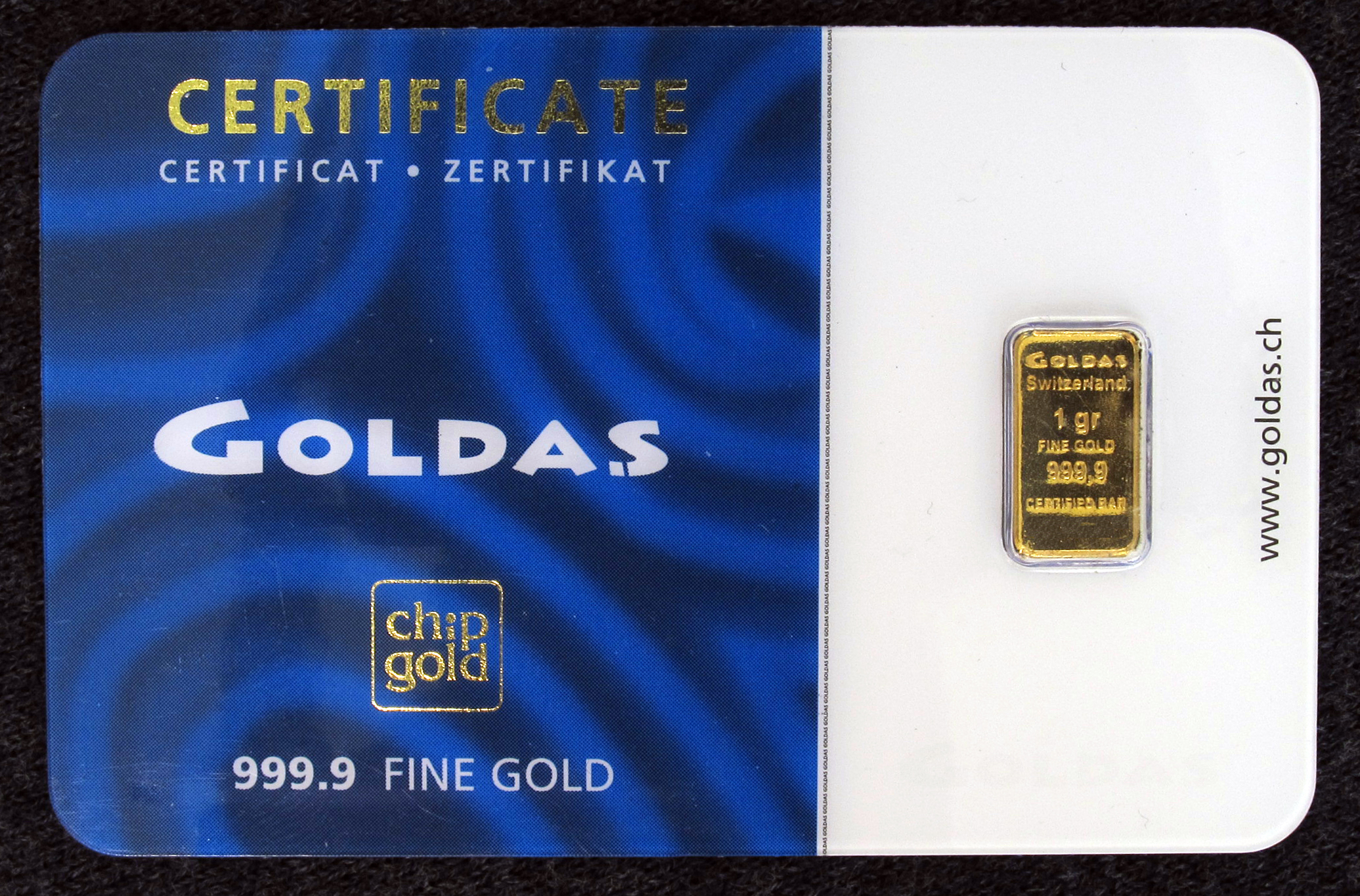
Understanding the current price of gold is a fundamental step for any investor looking to preserve wealth or diversify a modern financial portfolio. As a premier safe haven asset, this precious metal attracts significant attention during times of economic shifts, currency fluctuations, and geopolitical changes. For individuals across the Gulf region and international markets, keeping a close eye on daily valuations is not just a habit but a core part of long term wealth management.
Understanding the Global Valuation of Bullion
The current price of gold is determined by continuous trading on global commodities exchanges, where buyers and sellers agree on spot rates throughout the day. Major financial hubs in London, New York, Zurich, and Dubai serve as primary centers for setting these benchmarks. These markets process vast volumes of physical metal contracts and derivatives, which collectively establish the baseline cost of one troy ounce of gold at any given moment.
While global exchanges set the wholesale benchmark, retail buyers often encounter slight variations depending on local premiums, taxes, and manufacturing fees for jewelry or physical bars. Tracking these fluctuations requires a basic understanding of how global macroeconomic factors, such as central bank interest rates and international inflation data, directly impact the daily spot price. Please note that this article is intended for general informational purposes only and does not constitute professional financial advice.
Key Drivers That Influence the Current Price of Gold
Several critical variables determine whether the current price of gold rises or falls on a given day. First, the strength of the United States dollar plays a massive role, because the precious metal is globally priced in dollars, an inverse relationship often exists between the two. When the dollar weakens, gold typically becomes more affordable for international buyers using other currencies, driving up demand and prices.
Second, investor sentiment and market volatility heavily influence bullion values. During periods of stock market corrections or banking sector instability, capital tends to flow out of riskier assets and into tangible commodities. This flight to safety can cause sharp upward movements in spot rates, highlighting the metal’s historical role as an inflation hedge and a reliable store of value over centuries of economic history.
How to Monitor and Use Spot Rates Effectively
For active market participants, monitoring the current price of gold involves using reliable financial news platforms, commodity tickers, and dedicated bullion dealer applications. Checking these rates regularly allows buyers to time their purchases of coins, bars, or gold backed exchange traded funds more strategically. It also helps sellers evaluate the ideal moment to liquidate their holdings for maximum liquidity.
Ultimately, successful precious metals investing relies on patience and a clear understanding of market cycles. By learning how to interpret price charts and recognizing the global triggers that move the market, investors can make highly informed decisions that align with their broader savings goals and risk tolerance levels. 5 risk tolerance levels.
Image: Openverse (public domain)
