


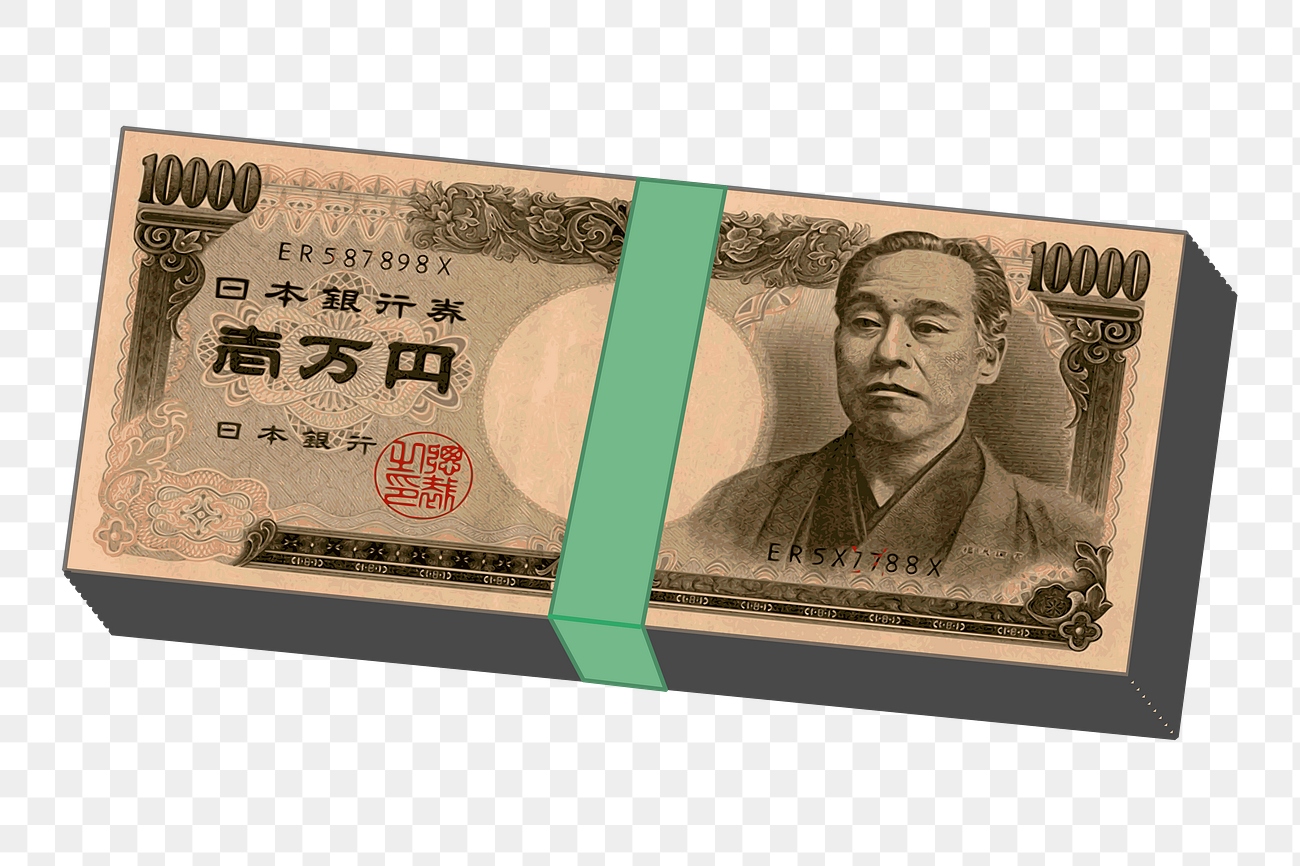
The global financial landscape is preparing for a significant shift as the bank of japan rate hike cycle begins to accelerate. For decades, international markets have relied on Japan as a source of ultra-cheap capital, driven by the central bank’s persistent negative interest rate policy. However, rising domestic inflation and a weakening currency have forced policymakers in Tokyo to reconsider their historic stance. This transition marks a critical turning point for global liquidity and asset valuations across both developed and emerging markets.
As borrowing costs rise in Japan, the famous carry trade, where investors borrow yen at low rates to invest in higher-yielding assets elsewhere, is experiencing a major unwinding. This shift has direct implications for investors in the Gulf region and South Asia, who must now navigate a world where Japanese capital is no longer practically free. Understanding the broader macroeconomic triggers behind this policy shift is essential for anticipating how global bond yields and equity markets will react in the coming months.
The Drivers Behind the Bank of Japan Rate Hike Cycle
Domestic economic pressures have mounted to a point where the central bank can no longer justify its ultra-loose monetary policy. Rising wages and persistent inflation above the target rate have signaled that the Japanese economy is finally escaping its long deflationary cycle. Additionally, the severe depreciation of the national currency has increased the cost of imported energy and food, putting pressure on household consumption and forcing policymakers to act more aggressively than previously anticipated.
While the pace of tightening remains gradual compared to the aggressive rate hikes seen in the United States and Europe, the direction of travel is clear. Analysts note that even minor adjustments in Tokyo can trigger massive capital flows back into Japan as domestic yields become more attractive to local institutional investors. This repatriation of capital could reduce demand for foreign government bonds and corporate debt, leading to higher borrowing costs globally.
Implications for Regional Investors and Portfolios
For businesses and investors in the Middle East and South Asia, the changing monetary environment in East Asia requires a careful reassessment of portfolio allocations. While direct exposure to Japanese equities may vary, the indirect effects on global credit markets and currency volatility are bound to be felt. A stronger yen typically leads to a tightening of global liquidity, which can affect emerging market currencies and capital inflows.
Please note that this analysis is intended for general information purposes only and does not constitute professional financial advice. When adjusting investment strategies during periods of central bank policy transition, consulting with a qualified financial planner is highly recommended.
Ultimately, the normalization of Japanese monetary policy represents a healthy transition toward economic stability, but the path there will likely be marked by short-term market turbulence. As the bank of japan rate hike cycle progresses, staying informed about currency fluctuations and global yield curves will be paramount for safeguarding corporate balance sheets and investment portfolios alike.
Image: Openverse (public domain)
