


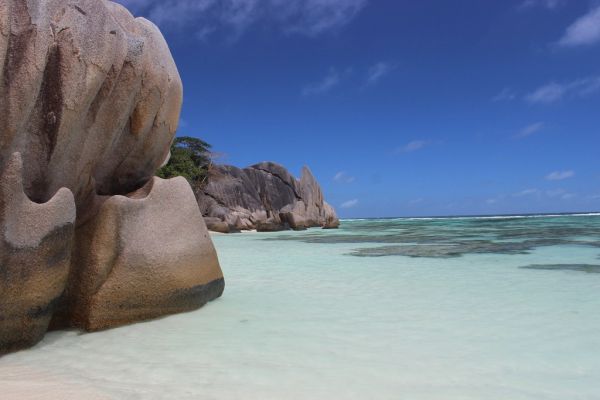
For many people planning their golden years, a Pacific island retirement represents the ultimate dream of tranquility, natural beauty, and a slower pace of life. While tropical destinations are often associated with luxury resorts and high price tags, several nations across this vast region offer surprisingly affordable living options. By understanding the local economies, residency requirements, and lifestyle adjustments needed, savers can make their hard-earned nest eggs stretch much further than they would in western cities.
Transitioning to a new country requires careful financial preparation and a realistic look at daily expenses. While the idea of living near pristine beaches is highly appealing, expats must balance their desires with practical realities. This article is for general informational purposes only and does not constitute financial advice. Anyone considering a major relocation should consult with qualified professionals before making significant financial commitments.
The Appeal of a Pacific Island Retirement
Choosing a Pacific island retirement allows individuals to enjoy a warm climate, rich cultural heritage, and a community-oriented lifestyle. Many islands in the region offer a lower cost of living for basic necessities like fresh local produce, seafood, and modest housing. By adopting a local lifestyle rather than relying entirely on imported goods, retirees can significantly reduce their monthly outgoings while maintaining a high quality of life.
Reports indicate that countries such as Fiji, Vanuatu, and Samoa attract retirees due to their welcoming communities and established expatriate networks. In these destinations, the cost of renting a home near the coast or purchasing daily groceries can be a fraction of the cost in major metropolitan hubs. However, potential residents must research local property laws, as land ownership structures in the Pacific can be complex and often differ from western models.
Navigating Healthcare and Residency Requirements
Before packing your bags, it is crucial to understand the legal and medical infrastructure of your chosen destination. Residency visas for retirees often require proof of a stable monthly income or a minimum deposit in a local bank account. These financial thresholds vary widely from one island nation to another, making thorough early research essential for a successful transition.
Healthcare is another critical factor to consider when planning your future. While routine medical care is generally accessible and affordable in larger island towns, specialized treatment may require evacuation to nearby developed nations. Securing comprehensive international health insurance is highly recommended to protect your savings from unexpected medical emergencies. With proper planning and realistic expectations, a peaceful life in the Pacific can be both fulfilling and financially sustainable.
Image: Openverse (public domain)
