


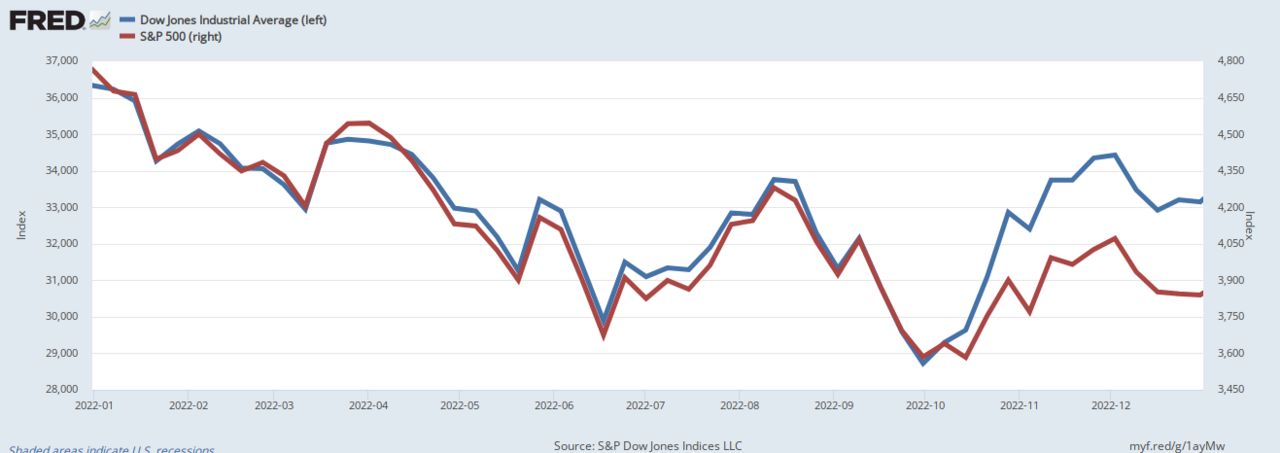
Understanding the current global market outlook is essential for investors navigating complex economic transitions across international exchanges. Major asset managers and global investment houses frequently highlight that economic recovery rarely follows a smooth, linear path. Instead, periods of rapid expansion are often accompanied by volatile adjustments as industries adapt to shifting interest rates, changing consumer demand, and evolving fiscal policy. For markets across the Gulf, South Asia, and Africa, these macro headwinds create both immediate uncertainty and strategic opportunities.
As global supply chains normalize and central banks evaluate their monetary stances, the broader market landscape is experiencing structural shifts. Inflationary pressures that once dominated headline concerns have begun to moderate in several developed economies, prompting a re-evaluation of borrowing costs. However, the transition away from peak interest rates brings its own set of challenges, often described as economic growing pains. Financial markets must now balance the potential for lower capital costs against the risk of slowing earnings growth in key commercial sectors.
Evaluating Key Drivers of the Global Market Outlook
Several underlying forces are currently shaping macroeconomic conditions and asset valuations. Primary among these is the ongoing recalibration of monetary policy by major central banks. When benchmark interest rates remain elevated for an extended period, corporate debt refinancing becomes significantly more expensive. This pressure typically compresses profit margins for capital-intensive businesses while forcing institutional investors to adjust their yield expectations across fixed-income and equity portfolios.
Another vital factor influencing market behavior is the divergence in economic performance between major trading blocks. While some developed markets are managing a soft landing characterized by moderate inflation and steady employment, several emerging economies are dealing with currency fluctuations and rising debt servicing expenses. These macroeconomic disparities influence cross-border capital flows, as international funds seek stable yields in resilient regional hubs while taking a more cautious stance toward volatile frontier assets.
Impact on Emerging and Regional Capital Markets
For financial centers in the Middle East and surrounding regions, global market adjustments carry distinct implications. Hydrocarbon-exporting nations in the Gulf often benefit from robust sovereign balance sheets, which help buffer local banking systems against international liquidity squeezes. At the same time, regional initiatives focused on economic diversification mean that local equity markets are increasingly exposed to global investor sentiment in sectors such as technology, real estate, and renewable energy.
Conversely, developing nations in South Asia and Africa often feel the squeeze of high global borrowing costs much more acutely. Weakening local currencies against major benchmark units can elevate the price of imported commodities and increase the burden of foreign-denominated debt. As global portfolio managers rebalance their allocations in response to changing risk premiums, capital flows into emerging equity and debt instruments can fluctuate sharply, requiring careful local policy management to maintain stability.
Institutional Strategies for Asset Allocation
In response to fluctuating economic conditions, professional wealth managers are adjusting their long-term asset allocation frameworks. Rather than making aggressive directional bets on short-term market movements, institutions are placing greater emphasis on portfolio resilience and quality balance sheets. Companies with low leverage, strong pricing power, and steady cash flows are generally better positioned to withstand periods of economic deceleration or prolonged interest rate adjustments.
Diversification remains a cornerstone strategy for navigating financial uncertainty. Global allocators are increasingly combining traditional equities and sovereign bonds with alternative assets, such as private credit, real estate, and infrastructure funds. These alternative investments can offer predictable cash yields that help offset public market volatility. Please note that this analysis is provided for general informational purposes only and does not constitute personalized financial or investment advice.
Key Indicators to Monitor in the Coming Quarters
Moving forward, investors should closely track several critical indicators to gauge the direction of broader market cycles. Central bank communications and policy statements will remain critical, providing hints about the pace and timing of future rate adjustments. Any sudden shifts in labor market data or corporate default rates could signal that persistent borrowing costs are placing excessive stress on the real economy.
Additionally, geopolitical developments and global trade dynamics will continue to influence commodity prices and supply chain efficiency. Volatility in energy markets can quickly alter inflation forecasts, impacting global equity valuations and currency stability. By maintaining a disciplined approach and monitoring fundamental economic data, institutional and retail market participants can better position their portfolios to endure near-term friction while targeting sustainable long-term returns.
Image: Wikimedia Commons (public domain)
