


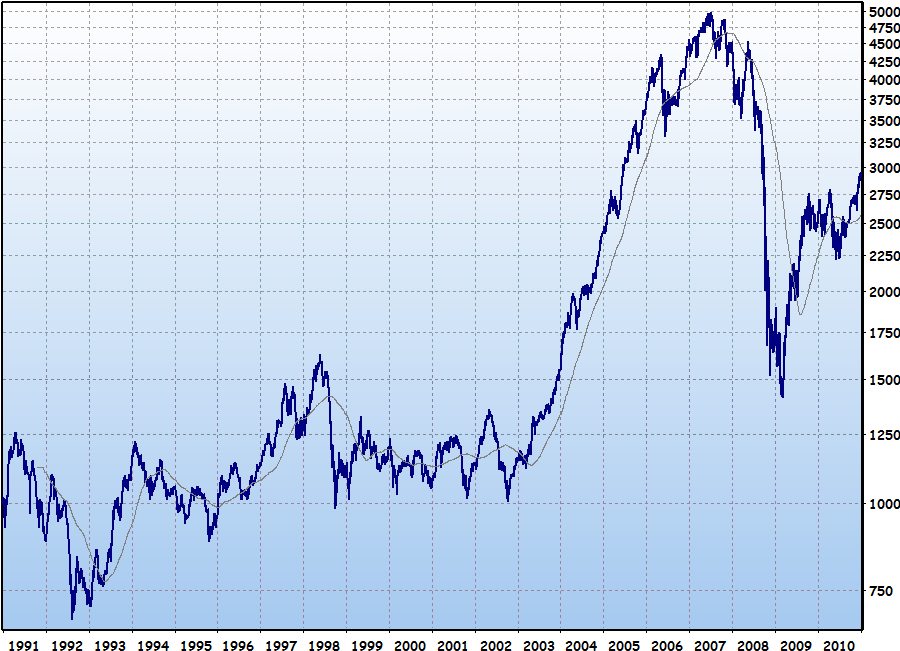
Understanding how measured fed tightening influences global capital flows is essential for investors navigating changing macroeconomic conditions across the Gulf and emerging economies. When central bankers adjust interest rates in a deliberate and predictable manner, financial markets generally find time to absorb the shifts without experiencing severe volatility. While sudden monetary policy changes often trigger sell-offs in risk assets, a gradual approach allows corporate treasury departments, commercial banks, and individual wealth managers to rebalance their portfolios with minimal disruption.
The policy stance adopted by the United States Federal Reserve carries profound implications far beyond North American borders. Because many currencies in the Gulf region remain pegged to the United States dollar, local central banks typically mirror the rate decisions made in Washington. Consequently, a measured fed tightening strategy directly shapes domestic borrowing costs, mortgage rates, and liquidity conditions across major financial hubs in the Middle East and South Asia.
Understanding the Mechanics of Measured Fed Tightening
Monetary tightening occurs when a central bank raises its benchmark policy rate or reduces its balance sheet assets to cool down an overheating economy and curb inflationary pressures. The term measured fed tightening refers to a incremental series of rate hikes announced well in advance, accompanied by clear guidance to the investment community. By avoiding unexpected rate spikes, policy makers seek to lower inflation toward target levels while preserving overall economic growth.
For equities, higher interest rates usually reduce the present value of future earnings, which can compress valuation multiples for high-growth sectors such as technology. However, when rate increases proceed at a moderate tempo, solid corporate balance sheets and resilient consumer demand can offset borrowing costs. Institutional investors often welcome a controlled policy shift because it demonstrates that the central bank is actively managing inflation risks without rushing the economy into a sudden recession.
Global Market Dynamics and Asset Allocation
In fixed income markets, rising benchmark rates push bond yields higher, causing existing bond prices to fall. Investors who hold sovereign debt or high-grade corporate bonds must contend with shifting yield curves during these transition periods. Nevertheless, predictable rate adjustments enable fixed income managers to reinvest maturing bonds at higher yields, ultimately boosting income generation over a longer investment horizon. Please note that all discussion of portfolio adjustments is general information and not financial advice.
Foreign exchange markets also react strongly to monetary policy divergence between major central banks. As yield differentials widen in favor of the dollar, capital frequently flows into dollar-denominated assets, placing downward pressure on currencies in developing markets. For global equity investors, allocating capital toward companies with low debt burdens, strong pricing power, and steady cash flows becomes a primary defense against rising capital costs.
Impact on Emerging Markets and the Gulf Region
Emerging markets face unique challenges during periods of rising interest rates in advanced economies. Sovereign borrowers in regions like South Asia and Africa often see their foreign currency debt service costs escalate when the dollar strengthens. Furthermore, global investment funds may shift capital out of riskier frontier markets toward higher-yielding, safe-haven assets in developed countries, potentially dampening regional equity market performance.
Conversely, energy-exporting nations in the Gulf Cooperation Council are frequently better positioned to navigate rate hikes. Strong fiscal surpluses derived from energy sales provide local governments with robust buffers to support domestic infrastructure projects and maintain financial stability. Because commercial banking sectors in the Gulf are well-capitalized, elevated net interest margins can actually support regional banking sector earnings while central banks keep pace with global rate decisions.
Key Indicators for Investors to Watch Next
Moving forward, market participants should closely monitor monthly inflation metrics, labor market participation figures, and supply chain updates to gauge the future trajectory of central bank decisions. Any unexpected acceleration in consumer prices could force monetary authorities to abandon a gradual pace in favor of more aggressive hikes, which would test market resilience.
Additionally, corporate earnings reports offer vital clues about how deeply businesses are feeling the impact of higher interest rates. Companies that maintain profit margins through operational efficiency and robust demand will likely outperform those reliant on cheap debt. By focusing on balance sheet strength, geographic diversification, and disciplined asset allocation, investors can position their portfolios to withstand periods of monetary tightening while identifying long-term growth opportunities across expanding global markets.
Image: Wikimedia Commons (public domain)
