


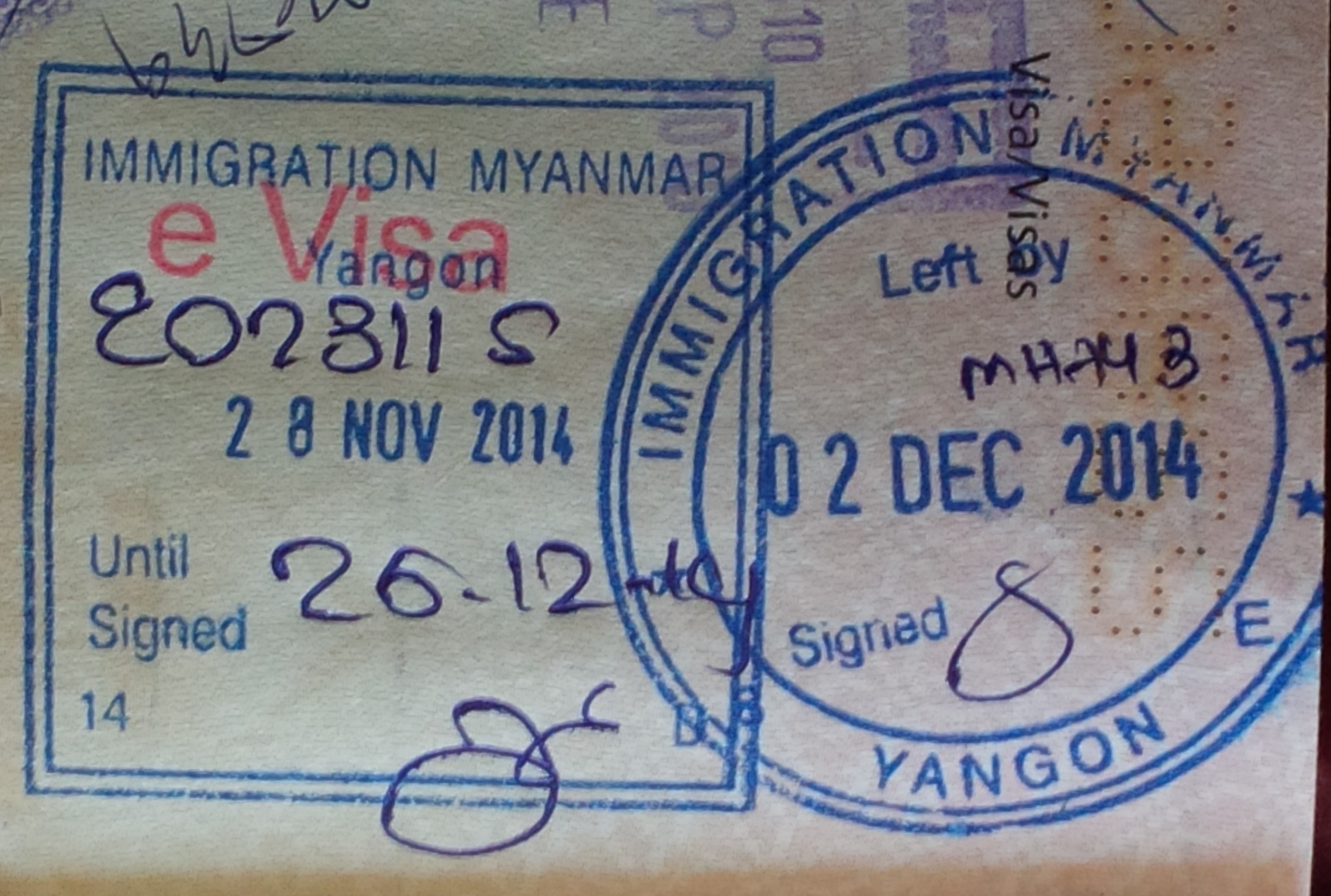
Securing US visa extensions has long been a routine procedure for international professionals, students, and long term visitors residing in the United States. However, recent trends indicate that immigration authorities are applying far greater rigor when reviewing applications to prolong lawful stay. For non-immigrant visa holders from South Asia, the Gulf region, and across the globe, understanding how these shifts alter processing timelines and documentation standards is essential for maintaining seamless legal status.
The heightened examination of application files reflects a broader policy orientation toward tighter administrative oversight and thorough verification. Officials are looking more closely at the background information submitted by applicants, cross-referencing employment records, educational credentials, and previous travel histories. While the underlying regulations governing temporary stays remain structurally intact, the administrative standard of proof required to secure an extension has effectively shifted upward.
For foreign nationals employed in specialized sectors, such as technology, finance, and engineering, the process now demands meticulous preparation. Employers sponsoring foreign workers must demonstrate not only that the position continues to qualify for temporary work status, but also that the worker has complied fully with all conditions of their original authorization. Gaps in payroll records, minor shifts in job duties, or changes in work locations can trigger formal requests for additional evidence, adding months to expected processing windows.
Why US Visa Extensions Are Facing Deeper Administrative Reviews
The primary driver behind the enhanced focus on US visa extensions is the desire among immigration officials to minimize regulatory loopholes and prevent unauthorized stays. Increased data sharing across federal agencies allows adjudicators to review an applicant’s tax filings, corporate registrations, and international travel patterns with unprecedented detail. Consequently, any inconsistency between past filings and current requests can lead to protracted administrative reviews or eventual denials.
Another factor contributing to longer processing cycles is the volume of applications submitted each quarter. As global mobility rebounds and corporate entities expanded international assignments, visa processing centers have faced heavy workloads. The combination of high application volumes and comprehensive background checks has created significant backlogs, leaving foreign nationals in prolonged periods of uncertainty while awaiting formal decisions from immigration services.
Students and exchange visitors are experiencing similar levels of detail during their extension requests. Academic institutions must provide clear evidence of ongoing full time enrollment, academic standing, and detailed rationales for any delays in program completion. Any discrepancy in academic progression can lead officials to question whether the applicant maintains a primary intent to pursue education.
Impact on Global Professionals and Corporate Mobility
The practical consequences of these regulatory trends extend beyond individual applicants to corporate entities operating across international borders. Multinational firms relying on talent transfers between foreign offices and American headquarters must now plan talent mobility strategies well in advance. Last minute extensions are becoming increasingly risky, prompting corporate legal departments to file renewal paperwork at the earliest permissible date.
For professionals originating from South Asia and the wider Middle East, extended administrative processing times can complicate personal affairs, including family relocation, lease agreements, and international personal travel. Departing the US while an extension request remains pending can cause complex legal complications, sometimes leading to the automatic abandonment of the application. As a result, many professionals find their ability to travel home temporarily restricted.
It is important to remember that this article provides general information regarding international mobility and should not be treated as formal legal or financial advice. Individuals navigating complex immigration matters should consult qualified legal representatives to evaluate their specific circumstances.
Essential Steps for Applicants Navigating the Process
Given the rigorous landscape surrounding approval decisions, applicants must take a proactive approach toward documentation. Maintaining flawless compliance records from the initial entry into the country is the most effective defense against administrative delays. Every change in address, employment title, or compensation package must be formally documented and updated within official reporting systems.
Collaborating closely with sponsoring employers and accredited legal advisors well before current authorizations expire is critical. Filing well ahead of statutory deadlines allows sufficient time to gather supporting affidavits, tax forms, and specialized credential evaluations. Thoroughly addressing potential queries within the initial submission reduces the likelihood of receiving requests for evidence that slow down decisions.
Looking ahead, observers expect administrative checks on temporary stay approvals to remain stringent. As digital verification tools become more integrated into adjudicative workflows, international travelers must adapt to an environment where transparency, accuracy, and early preparation dictate success in maintaining lawful status abroad.
Image: Openverse (public domain)
