


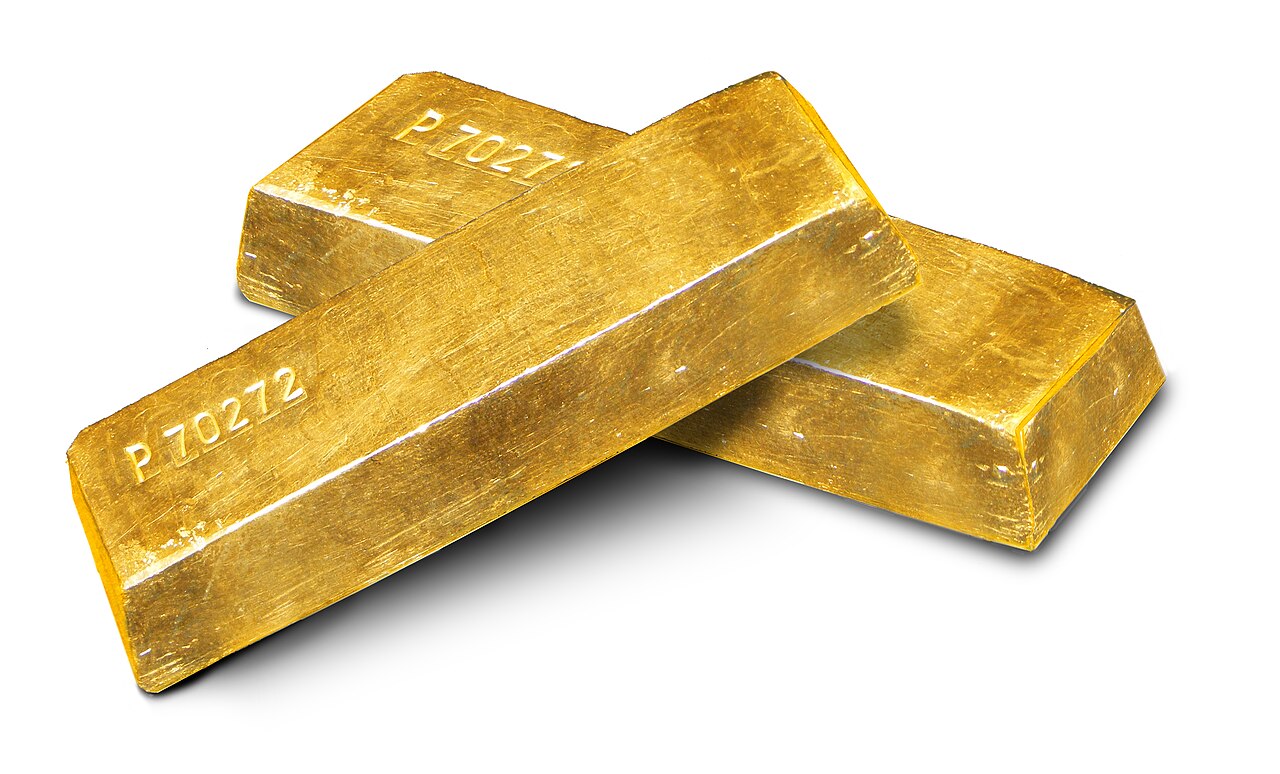
Tracking the current price of gold remains a priority for investors across the Middle East, South Asia, and worldwide. Gold has held a central position in international finance for centuries, functioning as a store of value, a currency hedge, and a traditional wealth-preservation vehicle. When global market dynamics shift, bullion valuations react quickly, offering clear signals about broader investor sentiment and economic health.
Understanding the valuation of precious metals requires looking beyond daily price tickers. The spot market reflects a complex web of international trade, interest rate expectations, and systemic liquidity. For households evaluating personal wealth, understanding the underlying mechanics of these movements is essential before allocating funds to physical or paper gold assets.
Key Drivers Behind the Current Price of Gold
Several primary factors influence global metal valuations at any given moment. Central bank monetary policy plays an oversized role. When major central banks reduce interest rates, non-yielding assets like precious metals become more attractive relative to income-generating bonds. Conversely, higher interest rates often place downward pressure on bullion as investors seek yields available in fixed-income instruments.
Currency fluctuations also dictate international trade prices. Because physical bullion is predominantly priced in US dollars across global exchanges, shifts in currency strength directly affect foreign purchasing power. A weaker dollar makes bullion more affordable for international buyers holding secondary currencies, driving up total volume and firming international market benchmarks.
Geopolitical stability represents another crucial leg of bullion valuation. During periods of international tension or structural market volatility, market participants frequently move capital into safe-haven assets. This defensive positioning tends to create floor support during broader equity sell-offs, shielding portolios from acute drawdowns.
Central Bank Reserves and Supply Mechanics
Official sector buying has emerged as a dominant demand story in recent years. Monetary authorities in emerging markets and developing economies have increased their official gold reserves systematically. Reports indicate that central banks purchase hundreds of tonnes annually to diversify foreign exchange holdings away from single-currency dependence and strengthen national balance sheets.
On the supply side, physical production changes slowly. Mining operations require heavy capital expenditure and long lead times for exploration and extraction. Because mine output cannot scale rapidly in response to sudden price spikes, secondary market supply, such as recycled jewelry and scrap metal, acts as the primary balancing mechanism during demand surges.
How Bullion Fits Into Regional Portfolios
For investors across the Gulf and South Asia, physical precious metals carry cultural and financial significance. High retail demand for jewelry and minted bars creates unique regional premiums alongside global spot prices. Local merchants calculate consumer pricing using international spot benchmarks adjusted for local taxes, transport costs, and refining charges.
Wealth managers often recommend treating precious metals as a stabilization component rather than an aggressive growth engine. Including bullion in a broader portfolio helps smooth out volatile economic cycles. However, readers should remember that this overview provides general market analysis and does not constitute personalized financial advice.
Evaluating Physical vs Paper Holdings
Investors tracking precious metals can choose between physical ownership and financial instruments. Physical bars and coins provide tangible assets without counterparty risk, but they carry storage, insurance, and assay costs. These expenses must be accounted for when calculating net returns over long holding periods.
Financial alternatives include exchange-traded funds, mining equities, and futures contracts. Paper products offer greater liquidity and remove physical storage challenges, allowing fast portfolio rebalancing. However, they introduce indirect exposure to management fees, market tracking errors, and corporate performance issues unique to operating mines.
What Investors Should Watch Next
Moving forward, market participants should monitor inflation metrics and central bank communications carefully. Real interest rates, calculated by subtracting expected inflation from nominal bond yields, remain one of the most reliable historical indicators of long-term metal performance. Persistent inflation paired with modest rate cuts typically creates a favorable environment for safe-haven assets.
Additionally, monitoring global trade flows and exchange reserve reports provides valuable insight into long-term demand trends. As global economic structures evolve, the current price of gold will continue to serve as a vital barometer for investor confidence, institutional liquidity, and international purchasing power balance.
Image: Wikimedia Commons (public domain)
