


Developing robust africa caribbean trade linkages represents one of the most promising yet underutilised frontiers for transregional economic cooperation today. For decades, historical ties, cultural affinity, and shared membership in international bodies like the Commonwealth have created a natural bond between African nations and the Caribbean archipelago. However, commercial exchange between these two regions has traditionally lagged behind political goodwill, leaving vast economic potential untapped on both sides of the Atlantic Ocean.
A critical look at current global trade patterns reveals an urgent need for both regions to diversify their export markets and supply chains. Modern trade relations have long been dominated by traditional North-South routes, which often expose developing economies to external demand shocks and unfavorable commercial terms. By consciously building stronger bi-regional trade pathways, policymakers and business leaders can establish direct commercial corridors that reduce transportation overheads, eliminate unnecessary intermediaries, and foster sustainable South-South economic independence.
The macroeconomic arguments for deepening these commercial connections are compelling. African economies offer expanding consumer markets, rich agricultural potential, and growing manufacturing capabilities. Conversely, Caribbean nations boast advanced services sectors, highly developed tourism infrastructure, and strategic access to maritime routes in the Americas. Aligning these complementary economic profiles allows both sides to leverage their distinct comparative advantages, creating new avenues for value addition in sectors ranging from renewable energy to agribusiness.
Financial integration remains a cornerstone of this emerging trade architecture. Expanding commercial activity requires robust banking networks, direct payment channels, and accessible trade finance mechanisms to support cross-border transactions. Recent policy initiatives aimed at establishing dedicated financial facilities and clearing arrangements demonstrate a growing institutional commitment to overcoming historical liquidity barriers. Please note that this analysis provides general educational information and does not constitute formal financial advice.
The strategic value of africa caribbean trade linkages
Understanding the operational dynamics of africa caribbean trade linkages requires an examination of key commercial sectors that stand to benefit most from enhanced cooperation. Agriculture and food security represent immediate areas where shared expertise can produce quick results. Both regions face unique climate resilience challenges, and joint ventures in sustainable farming, post-harvest processing, and agricultural technology can significantly improve regional food sovereignty while creating profitable trade flows.
Beyond physical commodities, the service economy offers immense room for expansion. Professional services, financial technology, creative industries, and tourism represent high-value sectors where cross-regional collaboration can yield immediate dividends. For instance, joint tourism marketing campaigns, direct air connectivity agreements, and shared hospitality training standards can transform seasonal travel trends into year-round economic activity, benefitting air carriers, hospitality providers, and local business ecosystems across both regions.
Institutional frameworks provide the essential scaffold for this commercial evolution. Regional trading blocs, such as the African Continental Free Trade Area and the Caribbean Community, are increasingly seeking formal mechanisms to harmonize standards, lower tariff barriers, and simplify customs procedures. These trade facilitation measures are crucial for small and medium-sized enterprises, which often lack the legal and administrative resources to navigate complex, fragmented regulatory environments abroad.
Overcoming logistical barriers and building infrastructure
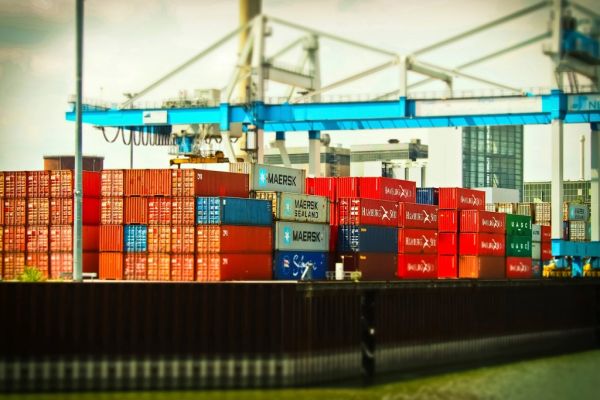
Despite the strategic alignment, physical connectivity remains a primary bottleneck that demands targeted investment. Direct maritime shipping routes and regular air cargo services between African ports and Caribbean harbors are currently limited, often forcing goods to transship through European or North American hubs. This indirect routing adds significant time and cost to shipments, undermining the price competitiveness of regional products and discouraging prospective traders from entering the market.
Addressing these transport inefficiencies requires innovative infrastructure investments and public-private partnerships. Developing specialized maritime logistics hubs and expanding direct aviation routes will require coordinated capital deployment from regional development banks and private investors. As physical transport links improve, the unit economics of cross-Atlantic trade will become increasingly attractive, encouraging private sector enterprises to establish long-term commercial relationships.
Digital infrastructure presents another powerful tool for bridging the geographical divide. E-commerce platforms, digital trade registries, and streamlined cross-border payment systems can drastically reduce the transactional friction that historically hampered distant business relationships. By digitizing trade documentation and adopting interoperable digital financial solutions, small exporters can gain direct access to overseas buyers without relying on expensive intermediary networks.
Future prospects for transatlantic economic integration
Looking ahead, the trajectory of transatlantic trade will depend heavily on sustained political willpower and proactive private sector engagement. Governments can set the stage by negotiating bilateral investment treaties, avoiding double taxation, and facilitating visa regimes for business travelers. However, the ultimate driver of volume will be private enterprises identifying concrete, profitable commercial transactions that serve market demand on both sides.
Business councils, chambers of commerce, and trade missions must play a central role in translating high-level diplomatic goodwill into actual corporate contracts. Regular trade expos, business-to-business networking forums, and joint research initiatives will help entrepreneurs understand foreign market dynamics, consumer preferences, and local regulatory requirements, effectively demystifying the process of expanding into new regional markets.
Ultimately, forging stronger trade connections between Africa and the Caribbean is more than a nostalgic exercise in shared history; it is a pragmatic strategy for long-term economic resilience. As global trade dynamics continue to shift toward multipolarity, nations that proactively build diverse, flexible commercial partnerships will be best positioned to navigate future market volatility and secure lasting prosperity for their populations.
Image: Openverse (public domain)
