


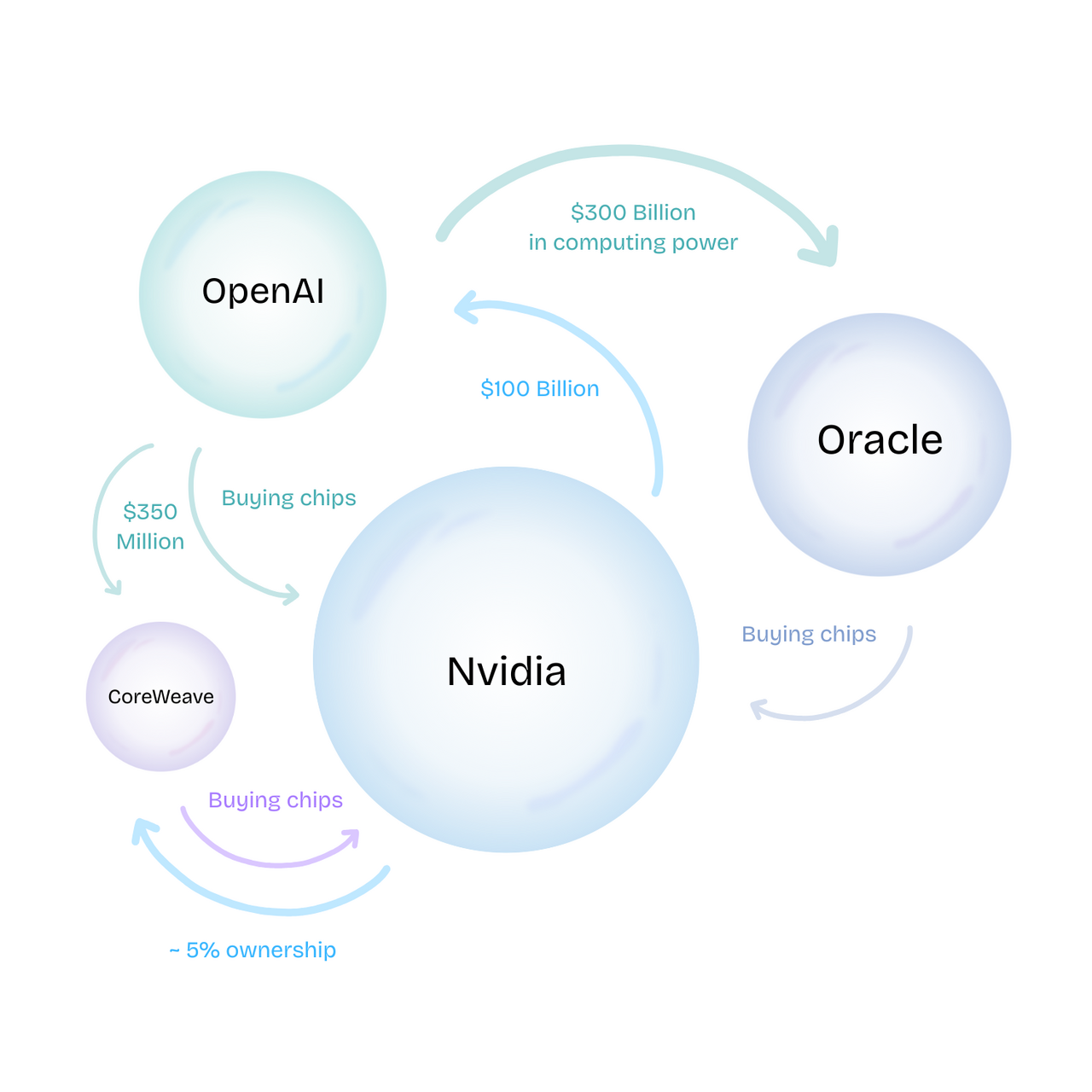
The recent surge in artificial intelligence (AI) stocks has been a headline-making phenomenon, drawing investors from all corners of the globe. Yet, beneath the glittering valuations lies a subtle shift: the AI trade is unwinding. This trend, highlighted in recent market data, signals a potential cooling of the sector’s rapid expansion and raises questions about the sustainability of AI-driven growth.
AI Trade Unwind: What Is Happening?
When analysts speak of an AI trade unwind, they refer to a gradual reduction in investor enthusiasm for AI-focused companies. Market breadth has narrowed, with fewer new listings capturing the spotlight and established names showing signs of consolidation. The initial exuberance, spurred by early 2024 funding rounds and high-profile product launches, has begun to level off, as valuations tighten and earnings reports fail to meet lofty expectations.
Several factors contribute to this slowdown. First, the supply side has expanded rapidly. A wave of IPOs and secondary offerings has flooded the market with AI specialists, from cloud-based analytics firms to niche machine-learning start-ups. With so many options, investor attention becomes fragmented, and the most compelling narratives lose their magnetic pull.
Second, the demand side is shifting. Early adopters and venture capitalists, who initially chased the next big breakthrough, are now exercising caution. The broader macroeconomic backdrop, rising interest rates, inflationary pressures, and geopolitical uncertainties, has made riskier bets less attractive. As a result, capital is moving toward more stable, cash-generating businesses.
Impact on Investors and the Broader Market
For retail investors, the unwinding translates into a need for greater scrutiny. The initial wave of hype often obscures fundamentals. When valuations remain high despite modest revenue growth, the risk of a correction increases. Those who entered the market during peak enthusiasm may face unrealised losses as share prices adjust to reflect true earnings potential.
Institutional players, meanwhile, are recalibrating portfolios. Many hedge funds and pension funds have begun to reduce exposure to high-beta AI stocks, reallocating capital toward sectors with more predictable cash flows. This defensive shift can exert downward pressure on AI equities, accelerating the unwinding process.
On a macro level, the slowdown may influence how technology investment is perceived. If AI companies fail to deliver on projected milestones, confidence in the broader tech ecosystem could wane, affecting funding for adjacent sectors such as robotics, cybersecurity, and data analytics.
Practical Takeaways for Investors and Businesses
1. Reassess Valuation Metrics: Compare price-to-earnings ratios and revenue multiples against industry peers. A sudden spike without corresponding earnings growth often signals a bubble that may burst.
2. Focus on Fundamentals: Look for companies with solid balance sheets, consistent revenue streams, and clear monetisation strategies. Start-ups with large cash burn and no clear path to profitability are high-risk bets.
3. Diversify Exposure: Consider AI exposure through diversified ETFs or index funds that spread risk across multiple names. This approach mitigates the impact of a single company’s underperformance.
4. Stay Informed on Macro Trends: Monitor central bank policies, inflation data, and geopolitical developments. These factors can significantly influence risk appetite and investment flows.
5. Keep a Long-Term Perspective: While short-term volatility may intensify, AI’s foundational role in digital transformation remains strong. Companies that can pivot and adapt will likely weather the current downturn.
It is important to note that the information presented here is for general educational purposes only and does not constitute financial advice. Investors should consult qualified professionals before making decisions.
What to Watch Next
The next few quarters will be telling. Watch for earnings reports from high-profile AI firms; any missed guidance could accelerate the unwinding. Additionally, keep an eye on regulatory developments. Governments worldwide are tightening scrutiny over AI applications, and new compliance requirements could alter cost structures and growth prospects.
In the Gulf region, the push for digital economies offers a unique backdrop. Governments are investing heavily in AI infrastructure, and local firms are increasingly positioning themselves as regional technology leaders. These dynamics could create pockets of resilience amid global market softness.
In conclusion, the AI trade unwind is a natural correction in a maturing market. While it presents challenges for short-term traders, it also offers opportunities for those who focus on solid fundamentals and long-term growth potential. Staying informed, diversifying wisely, and maintaining a disciplined approach will be key to navigating this evolving landscape.
Image: Wikimedia Commons (public domain)
