


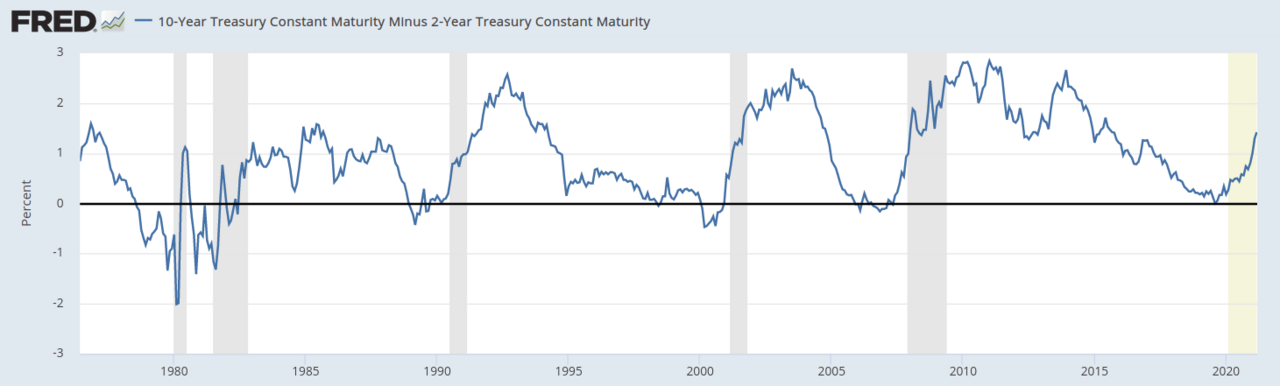
Interest rate decisions by the Federal Reserve ripple through every segment of the U.S. economy, reshaping asset valuations, corporate earnings, and consumer behaviour. Understanding the prevailing interest rate outlook is essential for investors, businesses and policymakers alike, as it determines borrowing costs, investment flows and the overall direction of economic growth.
Interest Rate Outlook and the Effects on U.S. Sectors
The Federal Reserve’s policy stance is guided by a dual mandate to maintain maximum employment and stable inflation. In recent months, the central bank has tightened policy, raising the federal funds rate to curb rising price pressures while supporting employment. The latest outlook indicates that rates may remain in a higher range for an extended period before a gradual easing is expected, depending on how inflation and growth evolve.
For the financial sector, higher rates tend to increase net interest margins for banks and insurance companies. While loan demand may cool, the spread between borrowing costs and deposit rates widens, boosting profitability. However, the benefit is offset by a potential rise in loan defaults if businesses face higher financing costs. Equity analysts note that banks with strong balance sheets and diversified revenue streams tend to weather rate hikes better.
Technology companies, on the other hand, are more sensitive to higher rates because their growth relies on cheap capital and high consumer spending. Elevated rates increase the discount rates used to value future cash flows, which can compress valuations of growth stocks. Additionally, higher borrowing costs reduce venture capital availability, slowing innovation cycles. Companies with substantial cash reserves can mitigate these effects, but the sector as a whole may see a slowdown in valuation multiples.
Energy and utilities are affected through changes in capital spending decisions. Higher rates raise the cost of financing large infrastructure projects, leading firms to defer or scale back investments. Yet, energy producers benefit from higher commodity prices that often accompany inflationary pressures, partially offsetting the impact of rate hikes on their profitability. Utilities, with their regulated revenue models, generally maintain stable earnings, but any shift in rate structures can affect their operating margins.
Consumer discretionary firms face a double whammy: higher rates increase financing costs and reduce disposable income as consumers spend more on interest payments. Sales of non-essential goods tend to decline, and firms may cut back on marketing and expansion plans. In contrast, consumer staples, which provide essential goods, tend to be more resilient as demand remains relatively inelastic even during rate hikes.
Industrial and manufacturing sectors experience mixed outcomes. While higher rates can increase the cost of capital for expansion projects, they also signal a strengthening economy, which can boost demand for industrial goods. Firms that manage their debt efficiently and focus on operational efficiencies can sustain growth, whereas those heavily leveraged may struggle to service debt, leading to reduced earnings and tighter credit conditions.
The impact on the real estate market is significant, as mortgage rates rise in tandem with policy rates. Higher mortgage rates dampen housing demand, slowing home price appreciation and reducing construction activity. Commercial real estate investors face higher refinancing costs and a potential decline in rental income as businesses cut back on spending. However, some real estate investment trusts (REITs) specialize in sectors that are less sensitive to interest rate changes, such as healthcare or data centres, and can maintain stable returns.
Finally, the effects of interest rate outlook extend beyond the U.S. borders. Global investors adjust portfolio allocations based on U.S. rate expectations, influencing capital flows into emerging markets. Higher U.S. rates can attract foreign capital, strengthening the dollar and putting pressure on emerging market currencies and debt markets. Businesses in these regions must navigate higher borrowing costs and potential currency volatility, which can impact their profitability and growth prospects.
For investors, the key takeaway is to monitor the Federal Reserve’s communications and adjust sector exposure accordingly. Diversification across sectors that benefit from higher rates, such as financials and utilities, while maintaining a balanced position in growth-oriented sectors requires a disciplined approach. Companies should also focus on strong balance sheets, prudent debt management and robust cash flows to navigate the evolving interest rate environment.
Readers should note that this information is for general informational purposes and not financial advice. Future developments in the interest rate outlook will continue to shape the performance of U.S. sectors, making it crucial for stakeholders to stay informed and adapt strategies to the changing economic landscape.
Image: Wikimedia Commons (public domain)
