


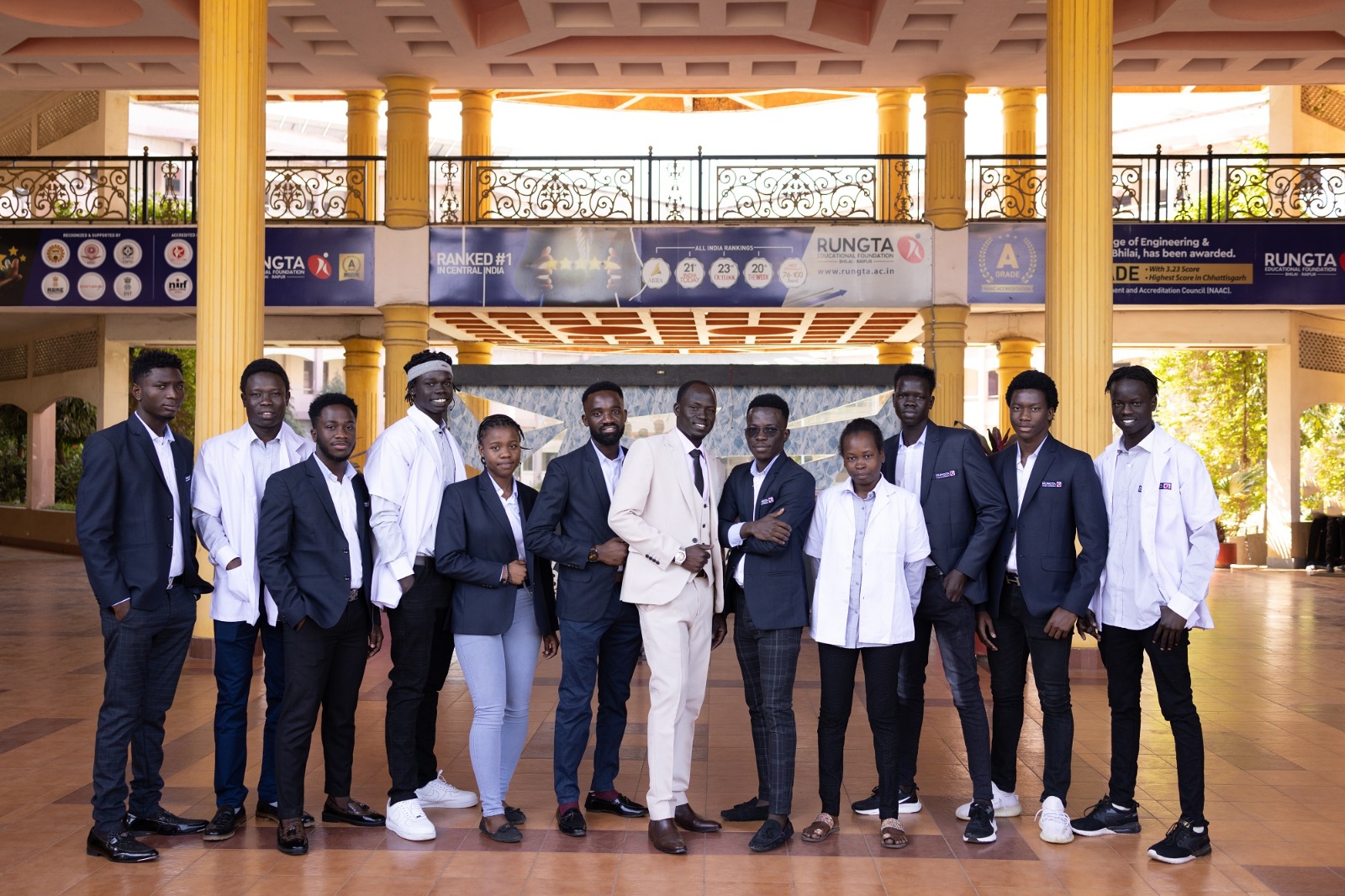
The duration of status rule is a fundamental concept in international academic immigration, determining how long non-immigrant students can legally remain in their host country. Under traditional frameworks, this policy allows scholars to stay for the entire length of their studies, provided they comply with institutional regulations and maintain full-time enrollment. This flexible approach has long supported global academic mobility, but recent legal challenges have thrust the policy into the spotlight, creating uncertainty for educational institutions and foreign scholars alike.
For decades, administrative frameworks have relied on this open-ended admission model to reduce bureaucratic hurdles. Instead of requiring students to apply for regular extensions with fixed expiration dates, the policy accommodates the natural variations of academic life, such as research delays or changes in majors. However, regulatory bodies have periodically attempted to reform these guidelines, citing a need for stricter oversight and enhanced monitoring of non-immigrant visa holders.
The Debate Over the Duration of Status Rule
Proponents of reforming the duration of status rule argue that transitioning to fixed-term admission periods would enhance national security and improve the tracking of foreign nationals. By implementing rigid end dates, authorities believe they can better monitor compliance and identify individuals who overstay their academic programs. Under proposed changes, students would need to apply for formal extensions at regular intervals, a process that involves additional fees and administrative scrutiny.
Conversely, educational advocates and legal experts argue that dismantling the traditional system would place an undue burden on international scholars. Critics point out that fixed-term visas introduce significant administrative delays, potentially forcing students to interrupt their studies while waiting for government approvals. The uncertainty surrounding visa renewals could also deter talented global researchers from choosing institutions in the host country, ultimately harming academic innovation and institutional diversity.
Legal Challenges and the Path Forward
The conflict over these immigration guidelines has recently moved to the courts. Following efforts by government departments to implement stricter time limits, judicial authorities intervened to block the proposed changes, temporarily preserving the existing flexible framework. This legal victory for academic institutions was met with swift appeals from federal agencies, signalling a prolonged legal battle over the future of student residency policies.
As these legal proceedings unfold, international students must navigate an increasingly complex regulatory landscape. While the current flexible rules remain in place during the appeal process, prospective and current scholars should stay informed about potential policy shifts that could affect their long-term academic planning. When making decisions regarding international education and residency, it is important to remember that this article is for general information purposes only and does not constitute formal financial or legal advice.
Ultimately, the resolution of this legal dispute will have far-reaching implications for global education. If the traditional system is upheld, it will reinforce the host country as a welcoming destination for global talent. If the proposed reforms succeed, institutions and students must prepare for a more rigorous, time-bound framework that demands careful compliance and proactive legal planning.
Image: Openverse (public domain)
