


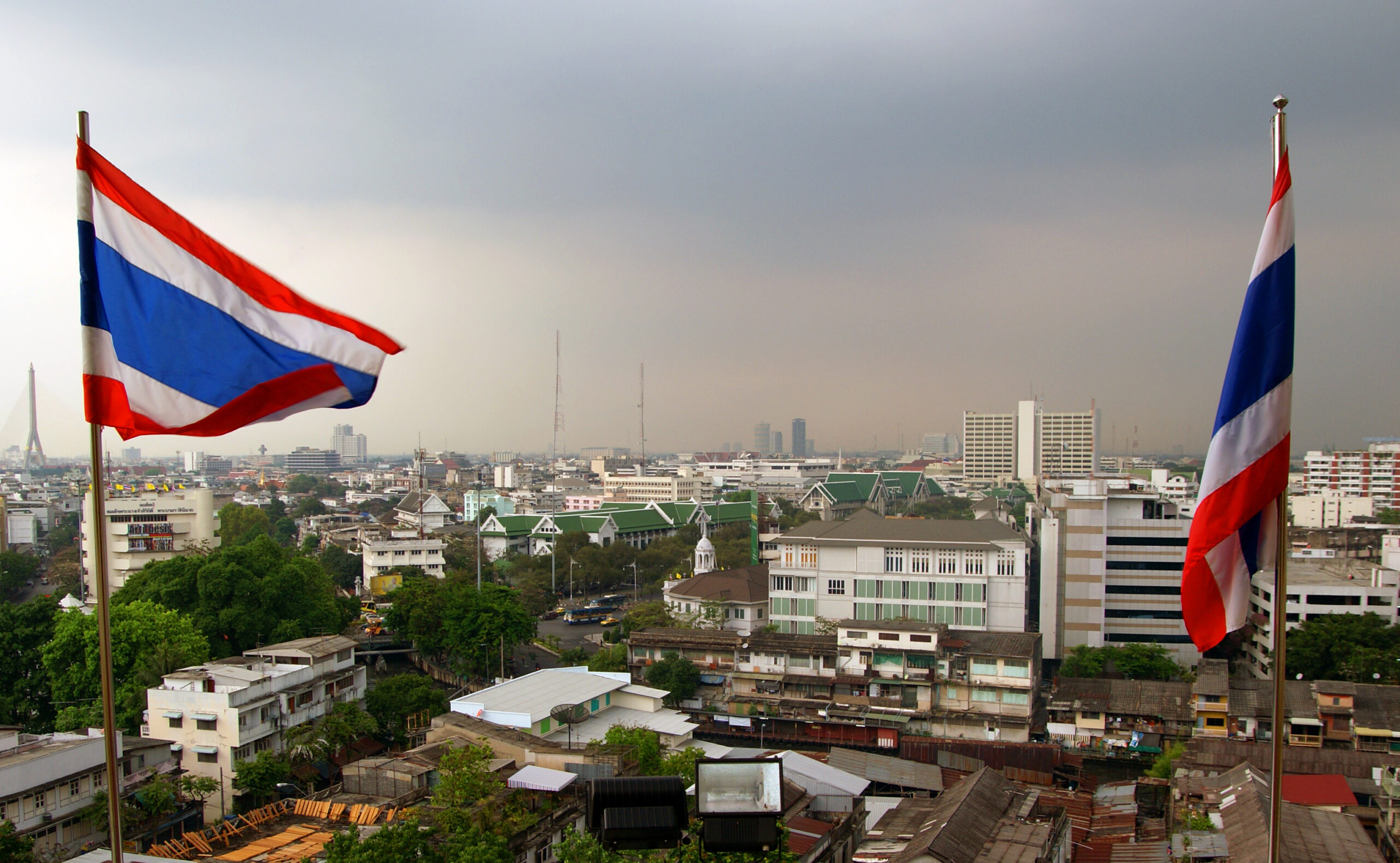
Moving to an expensive city can feel like stepping into a higher life tier, but the transition often sparks mixed emotions, especially when familiar friends visit. The decision to relocate to a place with a higher cost of living is usually driven by career prospects, cultural exposure, or personal lifestyle ambitions. Yet, the reality of navigating a new, pricey environment can create a sense of self-consciousness when old friends drop by and compare notes.
Expensive City Move: Why It’s Worth It
For many professionals in the Gulf, South Asia and Africa, a shift to a more expensive city is a calculated move. Larger firms, better pay packages, and a more diverse market can all be bundled into a single relocation. The cost of living rises, but so do opportunities for growth, networking, and higher salaries. Reports from industry analysts often point out that the average salary increase in top business hubs can outpace inflation, making the move financially sound over the long term.
Beyond the numbers, living in a city that attracts global talent can also enrich personal development. Access to world-class education, medical facilities, and cultural events often translates to a higher quality of life. Even if the rent or groceries are pricier, the added conveniences and lifestyle options can outweigh the added expense.
Another advantage is the visibility it brings. Working in a high-profile city can boost your résumé and open doors to international projects. Employers frequently value the experience of managing projects in a competitive, fast-paced environment, and recruiters often look favorably on candidates who have proven they can thrive amid change.
However, the perks of such a move are not without emotional costs. Friends from your hometown may feel a sense of loss or envy when they notice your new lifestyle. The pressure to maintain a certain image can be daunting, especially when they see you with a designer apartment or a new car. The social dynamic can shift, and you may feel the need to prove that the higher cost of living is justified.
To manage this, it helps to strike a balance between showcasing your achievements and staying grounded. Authentic conversations with friends about how the move has impacted your career and well-being can foster understanding. If you feel embarrassed, remember that the decision was yours, based on personal goals and circumstances.
Practical steps can also ease the transition. Keep an eye on local taxes, utility costs, and insurance premiums, as these can vary widely across cities. Budgeting tools and financial advisors familiar with high-cost regions can help you maintain financial stability while enjoying the perks of a luxury lifestyle.
Moreover, building a local support network can reduce the feeling of isolation. Joining professional groups, volunteering, or attending community events can help you feel integrated and less like an outsider. These connections often become valuable both personally and professionally.
Looking ahead, it’s essential to monitor the market trends in your new city. Real estate prices, rental demand, and job market shifts can influence your long-term plans. Staying informed will allow you to make timely adjustments, whether you decide to invest in property or look for future opportunities elsewhere.
In summary, relocating to an expensive city can unlock a wealth of opportunities, but it also brings a unique set of social and financial challenges. By balancing ambition with authenticity, planning finances carefully, and building a supportive network, you can turn the relocation into a rewarding chapter of your career and personal life. This guide offers a clear roadmap for anyone considering such a move, ensuring that the benefits outweigh the discomforts that may arise when friends from home visit. (This is general information and not financial advice.)
Image: Openverse (public domain)
