

Close Menu
Finsider

    Subscribe to Updates

    Get the latest creative news from FooBar about art, design and business.

    What's Hot

    Understanding the Gold Price Forecast in Times of Economic Uncertainty

    September 4, 2026

    Why Budget-Smart Retirees Love This Affordable Mountain Community

    September 3, 2026

    Understanding the Future of Gold Price Trends After Market Shifts

    September 3, 2026
    Facebook X (Twitter) Instagram
    Trending
    • Understanding the Gold Price Forecast in Times of Economic Uncertainty
    • Why Budget-Smart Retirees Love This Affordable Mountain Community
    • Understanding the Future of Gold Price Trends After Market Shifts
    • How Cost of Living Impacts Workplace Productivity and Employee Wellbeing
    • How a Couple Lived in a Car to Save Money and Reset Their Finances
    • How to Access Smart City Funding for Urban Innovation
    • Navigating the Strength of India Economic Growth
    • How Delaying Social Security Benefits Can Maximize Your Retirement Income
    Facebook X (Twitter) Instagram Pinterest Vimeo
    Finsider
    • Markets & Ecomony
    • Tech & Innovation
    • Money & Wealth
    • Business & Startups
    • Visa & Residency
    Finsider
    Home»Voices & Opinions»Why Global Bond Markets Are Unnerving Rich-World Politicians Today
    Voices & Opinions

    Why Global Bond Markets Are Unnerving Rich-World Politicians Today

    FinsiderBy FinsiderAugust 19, 2026No Comments3 Mins Read
    Share Facebook Twitter Pinterest LinkedIn Tumblr Reddit Telegram Email
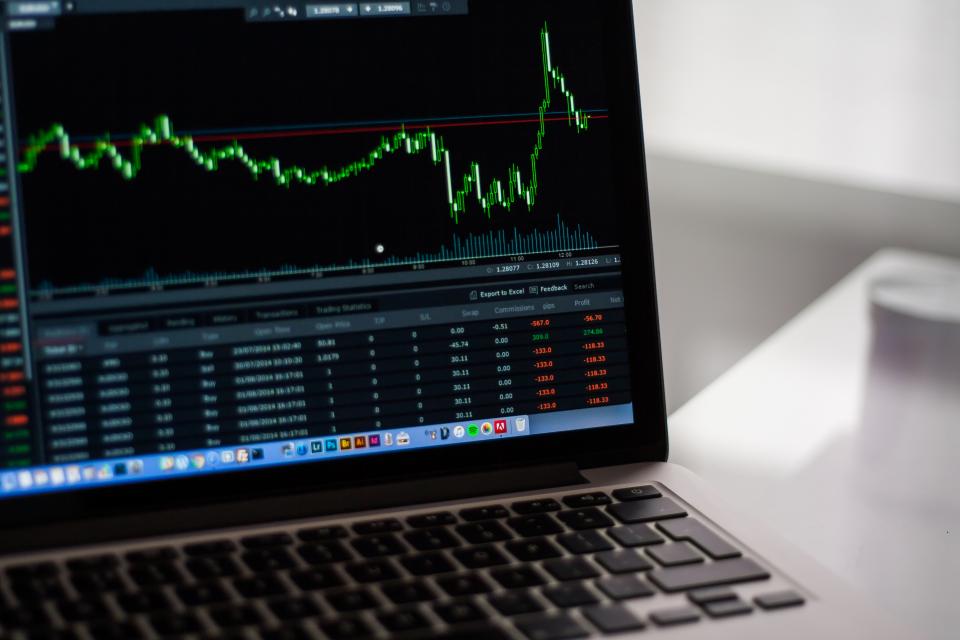
    A close look at why global bond markets are unnerving rich-world politicians in the current economic climate.
    Image: Openverse (public domain)
    Share
    Facebook Twitter LinkedIn Pinterest Email

    A quiet shift in the global financial system suggests that global bond markets are unnerving rich-world politicians who have grown accustomed to cheap debt. For more than a decade, developed nations enjoyed historically low interest rates, allowing governments to borrow heavily with minimal immediate consequences. However, as central banks raise rates to combat inflation, the cost of servicing this massive public debt is soaring, forcing policymakers to confront a reality they had long ignored.

    The relationship between sovereign states and their creditors is becoming increasingly strained. When governments issue debt to fund public spending or tax cuts, they rely on the willingness of investors to buy their bonds. In the past, this process was almost automatic. Today, investors are demanding higher yields to compensate for the perceived risks of long-term fiscal instability. This shift in investor sentiment is the primary reason why global bond markets are unnerving rich-world politicians, as it severely limits their legislative and spending ambitions.

    Understanding the Pressure on Sovereign Debt

    The mechanics of the fixed-income market mean that as bond yields rise, the cost of borrowing for governments increases. This creates a challenging feedback loop. When a nation must spend a larger portion of its tax revenues simply to pay interest on existing debt, it has less money available for public services, infrastructure, or defense. Political leaders who once promised sweeping economic programs now find themselves constrained by the harsh mathematics of compounding interest.

    Furthermore, the threat of a bond market sell-off is no longer a theoretical risk. Recent history has shown that when investors lose confidence in a government’s fiscal policy, they can rapidly dump its debt, causing borrowing costs to spike overnight. This dynamic effectively gives international investors a veto over domestic economic policy. For politicians accustomed to setting their own agendas, this loss of control is deeply unsettling.

    Global Bond Markets Are Unnerving Rich-World Politicians Everywhere

    This phenomenon is not isolated to a single country. Across major economies in Europe, North America, and parts of Asia, rising debt-to-GDP ratios are attracting intense scrutiny. Rating agencies are downgrading sovereign credit outlooks, and market analysts are openly questioning the sustainability of current spending trajectories. The era of frictionless borrowing has ended, replaced by a period where every budget announcement is closely parsed by bond vigilantes.

    As you navigate these changing economic conditions, remember that this editorial analysis is intended for general information purposes only and does not constitute individual financial advice. Investors and citizens alike must prepare for a prolonged period of higher interest rates and potential fiscal tightening as governments struggle to balance their books.

    Ultimately, the current friction between governments and creditors highlights a fundamental truth about public finance. While politicians operate on short-term electoral cycles, bond markets focus on long-term solvency. As these two forces clash, the era of consequence-free spending is drawing to a close, forcing a painful reassessment of how wealthy nations fund their futures.

    Image: Openverse (public domain)

    Share. Facebook Twitter Pinterest LinkedIn Tumblr Email
    Previous ArticleHow Regional Tech Hubs Drive Venture Capital Investment
    Next Article How to Navigate a Likely Interest Rate Hike in a Changing Economy
    Finsider
    • Website

    Related Posts

    Voices & Opinions

    Navigating the Strength of India Economic Growth

    August 31, 2026
    Voices & Opinions

    Understanding the Shift in Japan Monetary Policy as Rate Hype Builds

    August 27, 2026
    Voices & Opinions

    Decoding the Impacts of Operation Economic Outcast

    August 25, 2026
    Add A Comment

    Comments are closed.

    Top Posts

    5 Ways Leaders Can Communicate Power

    July 18, 2025

    How to build a Stocks and Shares ISA with a 6% dividend yield

    July 19, 2025

    Understanding the Gold Price Forecast in Times of Economic Uncertainty

    September 4, 2026
    Stay In Touch
    • Facebook
    • YouTube
    • TikTok
    • WhatsApp
    • Twitter
    • Instagram
    Latest Reviews

    Subscribe to Updates

    Get the latest tech news from FooBar about tech, design and biz.

    Most Popular

    What is Mistral AI? Everything to know about the OpenAI competitor

    July 18, 2025

    3 Ways to Mitigate Executive Turnover

    July 18, 2025

    5 Ways Leaders Can Communicate Power

    July 18, 2025
    news

    Understanding the Gold Price Forecast in Times of Economic Uncertainty

    September 4, 2026

    Why Budget-Smart Retirees Love This Affordable Mountain Community

    September 3, 2026

    Understanding the Future of Gold Price Trends After Market Shifts

    September 3, 2026

    Subscribe to Updates

    Get the latest creative news from FooBar about art, design and business.

    © 2020 - 2026 The Finsider . Powered by LINC GLOBAL Inc.
    • Contact us
    • Guest Post Policy
    • Privacy Policy
    • Terms of Service

    Type above and press Enter to search. Press Esc to cancel.