


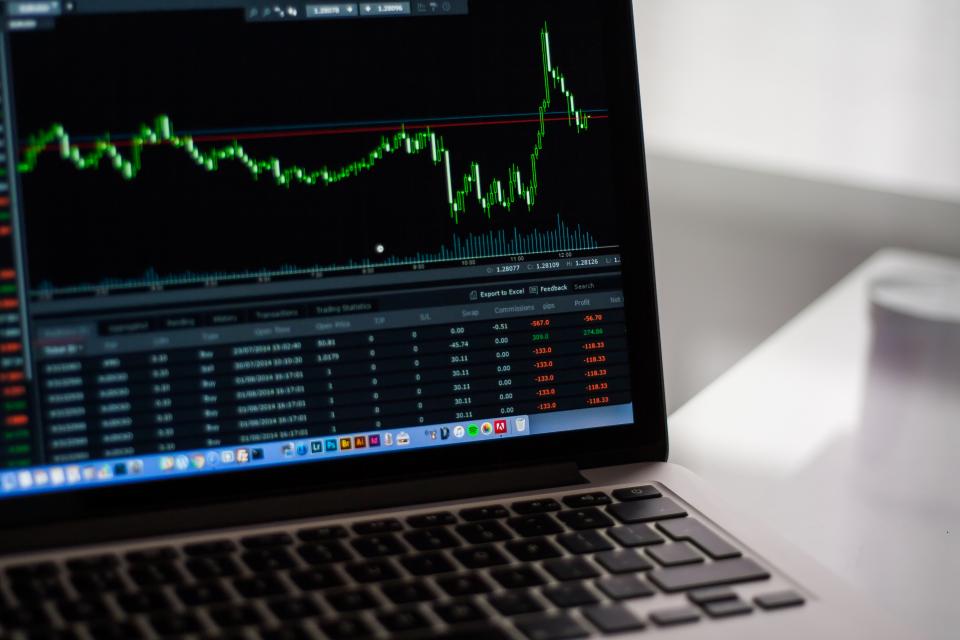
Investors tracking the gold price forecast often find themselves looking closely at major macroeconomic indicators to predict where the precious metal will head next. Historically, gold has acted as a reliable store of value and a hedge against inflation. When global markets anticipate major policy shifts or critical economic data releases, bullion prices frequently experience heightened volatility as traders adjust their portfolios in anticipation of the news.
A primary driver of short term fluctuations in the gold market is the health of the global labor market, particularly employment figures from major economies. When jobs reports suggest a cooling economy, central banks are often expected to lower interest rates to stimulate growth. Lower interest rates generally support the gold price forecast because they reduce the opportunity cost of holding a non yielding asset like physical gold, making it more attractive compared to yield bearing assets like government bonds.
Key Drivers of the Gold Price Forecast
Beyond employment figures, several other fundamental factors shape the long term gold price forecast. Inflation remains a critical element, as rising costs erode the purchasing power of fiat currencies, prompting investors to seek safety in hard assets. Geopolitical tensions also play a significant role, as any increase in global instability tends to drive capital toward safe haven assets, pushing precious metals prices upward.
Central bank buying is another crucial factor that support prices. In recent years, reports indicate that central banks across emerging markets have been accumulating gold reserves at a steady pace. This institutional demand creates a strong price floor, ensuring that even during periods of market optimism, the downside for the precious metal remains somewhat limited. Understanding these broader macroeconomic trends is essential for anyone looking to navigate the precious metals market effectively.
How Investors Use Employment Data
For retail investors, interpreting economic data releases can be challenging. A strong jobs report can lead to a temporary drop in gold prices as expectations for interest rate cuts diminish, while a weak report can trigger a sudden rally. This constant tug of war between economic growth and monetary policy expectations keeps the precious metals market highly liquid and dynamic.
Please note that this article is intended for general informational purposes only and does not constitute professional financial advice. Investors should always conduct their own thorough research and consult with a qualified advisor before making any significant investment decisions. By keeping a close eye on interest rate trends, inflation metrics, and central bank activities, market participants can better position themselves to understand the future gold price forecast and make informed choices for their portfolios.
Image: Openverse (public domain)
