


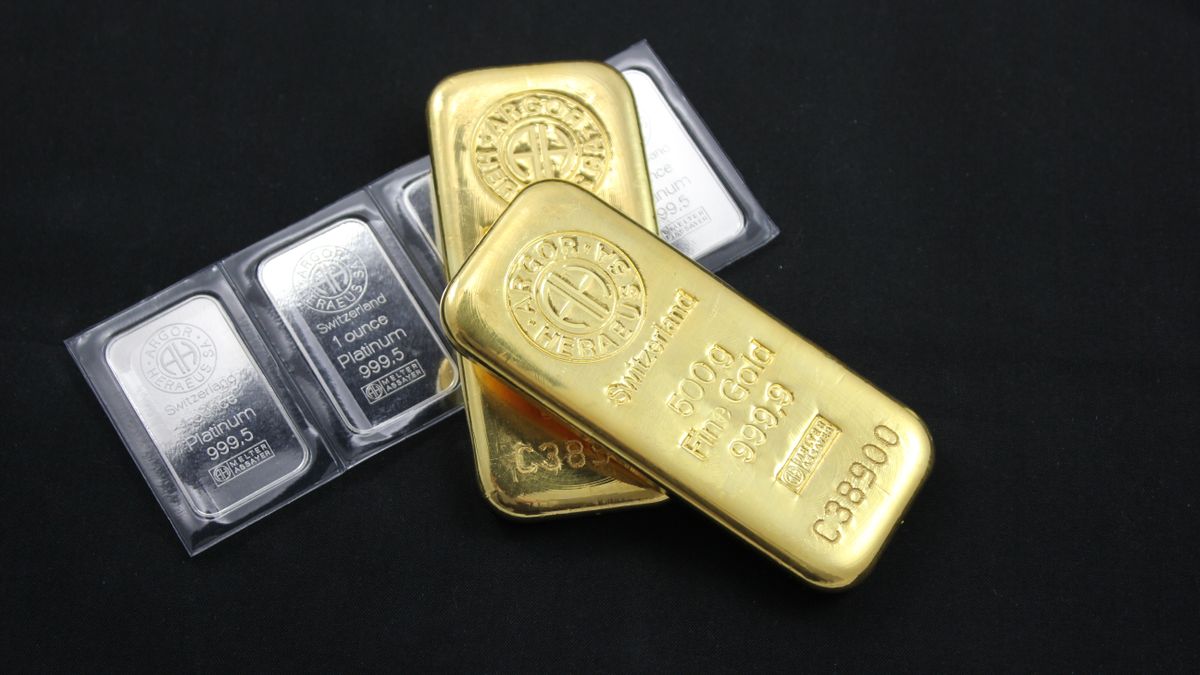
The gold price has had a turbulent few weeks. After a strong run earlier in the year, it slipped in late June 2026 toward a range around 4,000 to 4,500 dollars an ounce as reports of an easing in US and Iran tensions reduced demand for safe-haven assets. For savers who watched gold climb, the obvious question is whether this dip is a buying chance or a warning.
Why the gold price fell
Gold tends to rise when investors are nervous and fall when they relax. The recent slide followed signs of calmer geopolitics, which pulled some money out of defensive holdings. Expectations that the US Federal Reserve will hold rates higher for longer also weigh on gold, since the metal pays no interest and competes with cash that now earns a decent return.
What analysts expect by year-end
Near-term softness has not changed the bigger picture for many forecasters. Major banks have set notably higher year-end 2026 targets, with public calls ranging from roughly 4,900 dollars at the cautious end to around 6,000 dollars and above at the bullish end, according to their published research. These are forecasts, not promises, and they can change quickly with the data. Still, they show why many long-term holders see dips as part of the journey rather than the end of the story.
How to think about buying or waiting
For most ordinary savers, timing the gold price perfectly is close to impossible. A few sensible principles help. Treat gold as a small slice of a wider plan rather than a get-rich bet. Consider buying in steady instalments rather than one lump, which smooths out the highs and lows. And be clear about why you hold it, usually as insurance against inflation and shocks, not as a quick profit machine.
Accessible routes matter too. Digital gold and small-denomination products let people start with modest amounts rather than buying a full bar, which makes a measured, drip-feed approach realistic for regular budgets.
The bottom line
The mid-2026 dip in the gold price reflects calmer nerves and firmer rates, while longer-term forecasts remain optimistic. Whether you buy now or wait, anchor the decision to your own goals and time horizon. This is general information and not financial advice, so do your own research before committing.
Image: Pexels (free to use)
