


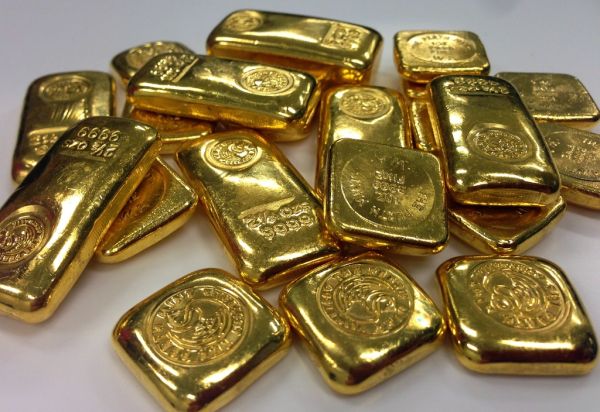
Gold price today has slipped below the year-plus low that investors were hoping would hold, sending the precious metal down to its lowest level since the start of the year. The decline comes amid a mix of macro-economic signals and market sentiment that has reshaped expectations for the next few months.
Gold price today: What sparked the drop?
The fall in gold price today can be traced to a few key factors. First, the United States Federal Reserve’s recent meetings signalled a possible tightening of monetary policy. Even a modest rate hike is enough to lift the US dollar’s strength, which traditionally pushes gold lower as the metal becomes more expensive for holders of other currencies. Second, global growth data from the eurozone and China were softer than forecasts, dampening the risk-off tone that typically drives investors to safe-haven assets like gold. Third, a surge in commodity demand from the automotive and electronics sectors has increased the demand for refined gold, pushing the supply curve tighter.
These elements combined to create a short-term correction in the market. Traders who had previously taken long positions in gold responded by selling off inventory, contributing to the downward pressure observed today. The price movement also reflects a broader shift in investor sentiment; as equity markets recover, the lure of gold as a hedge against market volatility has weakened.
Why the decline matters for investors and businesses
For individual investors, a drop in gold price today means that portfolios currently weighted heavily in the metal may see a reduction in value. Those who rely on gold as a diversification tool or a hedge against inflation should reassess their exposure. Similarly, businesses that use gold in manufacturing or as a backing for financial products may face increased costs or reduced margins if the price continues to slide.
Financial advisers often highlight that the price of gold is influenced by a complex interplay of factors, including currency movements, inflation expectations, and geopolitical risk. Investors are therefore encouraged to look beyond short-term volatility and focus on long-term fundamentals. This general information is not financial advice.
Historical context: How gold’s price cycle works
Gold has historically followed a cyclical pattern, with periods of rapid appreciation followed by corrections. When markets are uncertain, investors flock to gold, driving the price up. Conversely, when confidence returns to equities or real estate, gold can experience selling pressure. The current slide fits into this pattern, as global markets have shown signs of recovery after a prolonged period of turbulence.
Over the past year, gold has fluctuated by more than 10 percent. The recent dip to a year-plus low represents a significant shift from the higher levels seen earlier in the year. Analysts suggest that if the Federal Reserve continues to tighten policy, the downward trend could persist for several months. However, any signs of a slowdown in monetary policy or a surge in geopolitical risk could trigger a rebound.
Practical takeaways for readers
1. Keep an eye on central bank announcements. Any hint of rate hikes or tightening will likely push gold lower. 2. Monitor currency movements, especially the US dollar, as a stronger dollar generally suppresses gold prices. 3. Watch commodity demand from sectors that use gold, such as electronics and jewelry, as supply constraints can influence price dynamics. 4. Consider diversifying your portfolio to reduce reliance on gold if you are concerned about short-term volatility.
In addition, investors should stay informed about geopolitical developments that could shift risk sentiment. A sudden escalation in tensions or a natural disaster could revive demand for safe-haven assets, including gold, and reverse the current trend.
For businesses, the key is to manage exposure through hedging strategies or by negotiating long-term contracts that lock in prices. This can mitigate the impact of future price swings.
In summary, gold price today shows that the metal is navigating a challenging environment shaped by monetary policy, global growth prospects and commodity demand. While the current slide is a cause for attention, it fits within the broader cycle that has historically characterized gold’s price movements. Investors and businesses must monitor the evolving macro-economic landscape and adjust their strategies accordingly.
Image: Openverse (public domain)
