


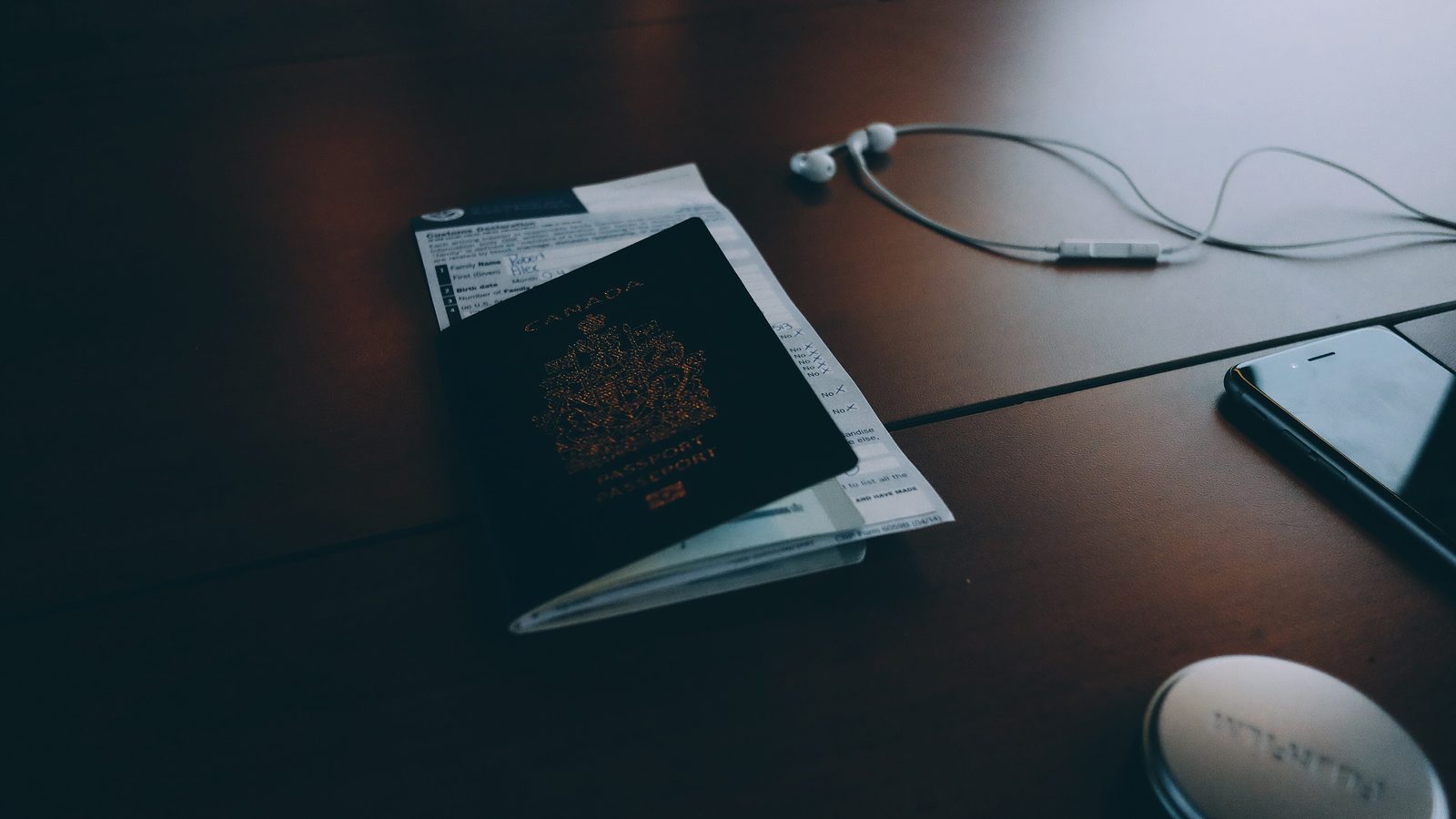
Quick answer: A complete visa documents checklist ensures that your application contains valid identification, verified financial proof, certified translations, and compliant passport photos before submission. Organising these files correctly prevents processing delays and avoids sudden refusal decisions. Following official country guidelines guarantees that immigration officers can verify your details without asking for additional evidence.
What should be on your standard visa documents checklist?
Preparing a complete file before submitting your application is the best way to secure a fast decision. Immigration officers review hundreds of applications every week. When you provide clear, organized documentation, officers can evaluate your eligibility quickly without requesting extra evidence.
Every category of travel visa requires foundational paperwork to establish your identity, travel purpose, and ties to your country of residence. Missing even a single page from an official document can delay your file or cause an immediate refusal. Creating an organized filing routine prevents these costly mistakes.
Here are the core document categories that every applicant must prepare:
- Identity documents: A valid passport with at least six months of remaining validity, previous passports showing travel history, birth certificates, and national identification cards.
- Financial proof: Recent original bank statements, official payslips, tax assessments, property ownership certificates, and sponsorship letters.
- Travel intent details: Flight itineraries, hotel booking confirmations, event invitations, or cover letters outlining your exact itinerary.
- Ties to your home country: Employment verification letters, business registration papers, university enrollment letters, or family relationship records.
- Health and background records: Approved medical examination certificates, travel health insurance policies, and police clearance certificates.
Keeping original copies and clear digital scans of each document ensures you are ready for both online uploads and in-person biometrics appointments.
How to prepare bank statements and avoid financial refusals?
Financial insufficiency is one of the top reasons why embassies deny visas. Visa officers want to see that you can cover your entire trip, including flights, housing, and daily expenses, without working illegally or accessing public funds. Presenting clear bank statements builds confidence in your financial stability.
Most immigration departments require three to six months of continuous bank statements. These statements must show regular income and an active account history. A sudden large cash deposit made right before submitting your application raises immediate suspicion. Officers view unexplained funds as borrowed cash meant only to pass the visa test, which often leads to a refusal.
If you receive a large gift or sell an asset, you must provide clear paper evidence explaining where the money came from. Include sale contracts, inheritance documents, or official transfer slips alongside your statement. If you want to understand how immigration offices evaluate applicant details and avoid mistakes, reviewing transparent UK visa rejection policy tips can help you structure your evidence correctly.
Visa file comparison: Short-term vs long-term requirements
The documentation requirements for temporary visits differ significantly from long-term stay categories like study or work permits. Short-term visitors must prove strong ties to their home country to show they will return. Long-term applicants must show detailed institutional qualifications and extended funding.
The table below compares key document needs across different visa types:
| Visa Category | Bank Statement Duration | Primary Supporting Evidence | Key Risk Factor |
|---|---|---|---|
| Short-Term Tourist | 3 to 6 Months | Return tickets, hotel bookings, job letter | Lack of ties to home country |
| Long-Term Student | 28 Days to 12 Months | School acceptance, tuition receipts, deposit proof | Unclear source of tuition funds |
| Work Permit | 3 Months | Job offer letter, sponsor certificate, credentials | Mismatched job skills or salary criteria |
| Business Visitor | 3 to 6 Months | Company invitation letter, conference registration | Vague business itinerary |
When applying for study visas, requirements become even strict regarding fund stability and official forms. Applicants who spend time navigating the US student visa process must balance financial records with institutional acceptance forms like Form I-20. Aligning your financial documents with your admission documents prevents unexpected processing freezes.
What are the strict rules for translations and photos?
Civil records and financial documents not written in the official language of the destination country require certified translations. Submitting personal translations or uncertified transcripts usually results in an instant rejection of that document. Official foreign departments require certified translations done by registered professional translators.
A compliant certified translation must include a signed statement from the translator. This statement must declare that the translation is accurate and complete. It must also list the translator’s full name, contact information, credentials, and official stamp. Checking UK government visitor guidelines gives clear examples of how certified translations should be presented.
Passport photos are another common trap for applicants. Photo requirements vary by nation, but formatting rules are strict. For instance, according to the U.S. Department of State, U.S. visa photos must measure exactly 2 by 2 inches, features a white background, and be taken within the last six months. Reviewing the official U.S. Department of State photo rules helps avoid issues like wearing glasses, using heavy facial filters, or submitting incorrect lighting.
Simple steps to double check your visa packet before filing
Before you hit submit or hand over your physical folder, complete a thorough quality audit. Minor typographical errors between your passport and application forms can trigger additional document requests or visa denials. Consistency across every single page is essential.
Verify that your full name, date of birth, and passport number match perfectly on all certificates, letters, and forms. Ensure that all scanned documents are bright, clear, and uncropped. Never submit cropped phone screenshots of bank accounts or blurred photo files. Taking time to double check every item on your visa documents checklist guarantees a smooth application process from start to finish.
Frequently asked questions
What are the most common documents needed for a visa application?
Most visas require a valid passport, recent bank statements, travel itineraries, proof of accommodation, and proof of ties to your home country. You may also need certified translations and passport photos depending on the destination.
How many months of bank statements are required for a visa?
Embassies usually request three to six months of official bank statements. The statements must show regular account activity and sufficient funds to cover your travel expenses.
Do visa documents need to be officially translated?
Yes, any document not written in the destination country’s official language must be translated by a certified professional translator. The translation must include a signed declaration of accuracy and full translator contact details.
Why do sudden large bank deposits lead to visa refusals?
Immigration officers view sudden large cash deposits as unverified or borrowed funds intended only to manipulate visa approval. You must provide official proof showing the lawful origin of any large deposit.
This article provides general information and is not financial, legal, or immigration advice.

