


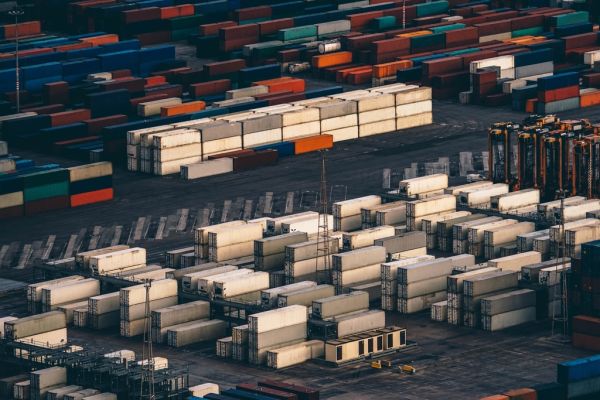
Recent diplomatic friction between historically close North American partners has highlighted the limits of aggressive trade strategy as a tool for economic negotiation. When major economies rely on sudden tariff threats and public ultimatums to extract concessions, they often disrupt established supply chains and create deep political resentment. While these high-pressure tactics are designed to force swift compromises, they frequently run into the complex realities of modern, integrated manufacturing sectors that cannot be easily restructured.
For global investors and businesses, understanding these geopolitical dynamics is essential for risk management. Please note that this analysis is intended for general informational purposes only and does not constitute formal financial advice. In an era of interconnected commerce, sudden policy shifts can have cascading effects on currency values, equity markets, and corporate profitability across multiple continents.
The Practical Limits of Aggressive Trade Strategy
The core philosophy behind a hardline negotiating stance is that economic leverage can compel trading partners to accept unfavorable terms. However, reports show that this approach often underestimates the domestic political pressures faced by foreign leaders. No government can easily afford to look like it is capitulating to external threats, as doing so can damage its standing with local voters. Consequently, instead of quick agreements, aggressive posturing often leads to retaliatory tariffs and prolonged periods of economic uncertainty.
Furthermore, modern manufacturing relies on highly integrated cross-border supply chains where components may cross international boundaries multiple times before a final product is assembled. Introducing sudden barriers in such systems does not simply protect domestic industries; it often raises costs for domestic producers who rely on imported raw materials. This structural interdependence is one of the primary reasons why aggressive tactics often yield diminishing returns and encounter significant resistance from business communities on both sides of the border.
Implications for Emerging Markets and the Gulf
The fallout from these trade disputes is rarely contained within the borders of the primary disputants. When major global powers engage in tariff wars, it creates a chill in global trade that affects emerging markets, including those in the Gulf region and South Asia. Fluctuations in global trade volumes directly impact commodity prices, shipping costs, and investor sentiment. Businesses operating in these regions must carefully monitor these developments to navigate the changing landscape of international commerce.
Ultimately, the limits of aggressive trade strategy demonstrate that sustainable economic partnerships require stable, predictable frameworks rather than constant disruption. While confrontational tactics may yield short-term political victories, they often erode the mutual trust necessary for long-term economic cooperation. As global trade continues to evolve, a return to multilateral dialogue and institutional agreements may prove far more effective than unilateral pressure in securing lasting economic stability.
Image: Openverse (public domain)
