


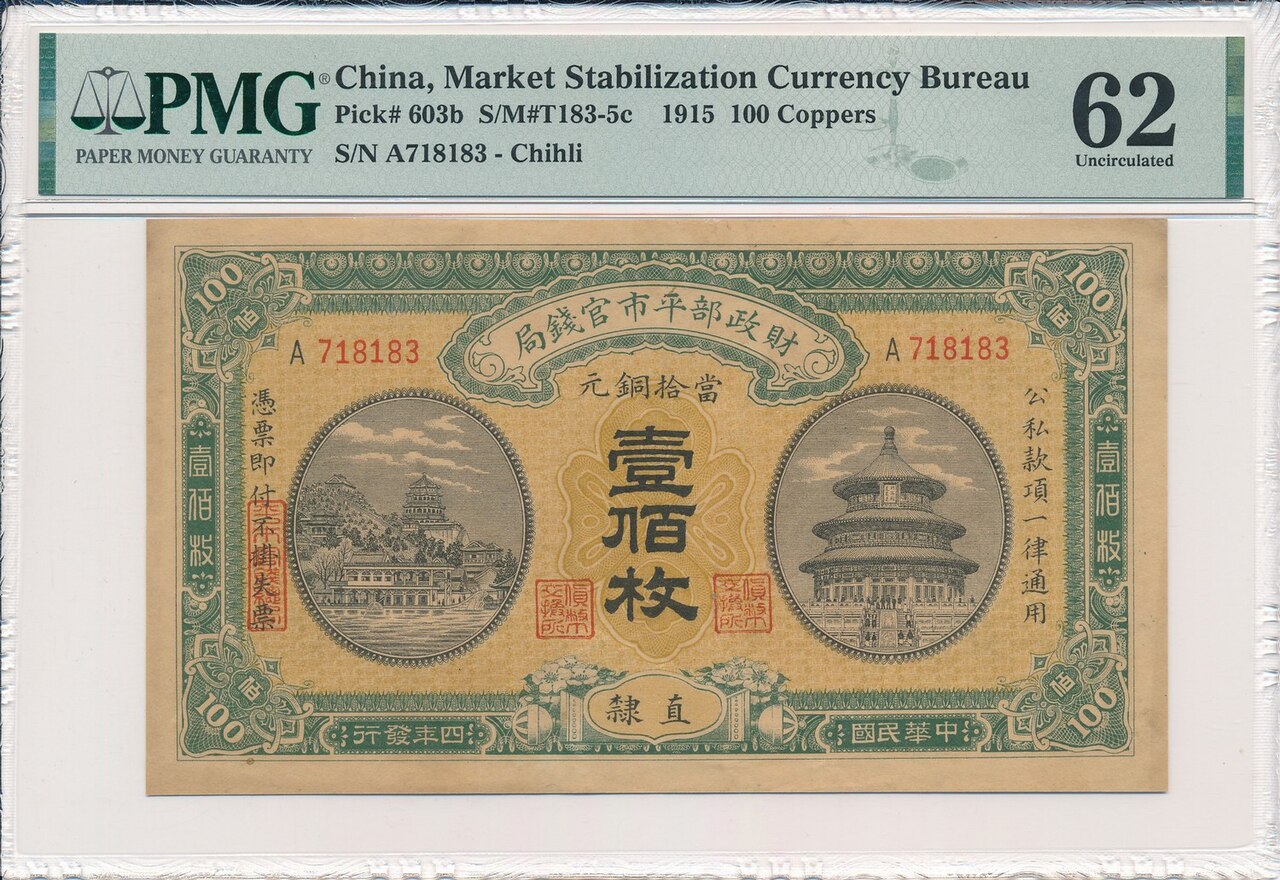
The pound comeback has been a surprising development for investors and market watchers alike. After a period of weakness against major peers, the British currency has shown signs of resilience, pulling back from the lows seen earlier this year. This article breaks down the key drivers behind the recovery, the implications for UK equity markets, and what traders should keep an eye on as the economy continues to adjust.
Pound Comeback: What Has Changed?
Several factors have converged to support the pound’s recent upward swing. First, the Bank of England’s latest policy statement suggested a more hawkish stance, indicating that rate hikes could resume sooner than previously expected. Second, the UK’s trade balance improved modestly as export volumes in key sectors rose, reducing pressure on the currency. Third, investor sentiment in Europe has shifted, with the euro weakening on concerns over fiscal policy and political uncertainty in several member states.
Financial analysts point out that technical support levels on the pound have also been met, providing a psychological boost for traders. The currency’s trajectory has moved above the 1.20 level against the euro, a threshold that has historically signalled a bullish trend for GBP. This technical rebound, combined with fundamental positives, has created a favourable backdrop for further gains.
Another element driving the pound comeback is the relative strength of the US dollar. A softer dollar, influenced by dovish comments from the Federal Reserve, has lifted many emerging and developed currencies, including the pound. As the dollar pulls back, it naturally lifts the GBP in cross-currency comparisons, adding to the momentum of the comeback.
Market participants also note that corporate earnings in the UK are showing improvement. Several large-listed firms have reported better-than-expected profits, supported by a rebound in consumer spending and a gradual easing of supply-chain constraints. Strong earnings data tend to attract foreign investment, which can further lift the currency.
In the context of the broader European market, the pound comeback has had a ripple effect. Investors seeking higher returns have shifted some capital into UK equities, which are now trading near their highest levels of the year. This inflow has pushed major indices, such as the FTSE 100, to record highs, reinforcing the narrative that the pound’s strengthening is tied to a broader confidence in British growth prospects.
While the pound’s recovery is encouraging for UK investors, there are risks that could threaten the momentum. A sudden shift in the Bank of England’s policy direction, a resurgence of pandemic-related disruptions, or a sharp rise in global commodity prices could reverse the trend. Traders should therefore monitor central bank communications, inflation data, and commodity price swings closely.
One area to watch in the coming weeks is the upcoming UK inflation report. If inflation remains elevated, the Bank of England could accelerate its tightening cycle, which would support the pound further. Conversely, a significant decline in inflation could delay rate hikes, potentially weakening the currency. Market analysts expect this data release to be a key catalyst for the pound’s next move.
Investors should remember that this is general information and not financial advice. Those looking to trade the pound or invest in UK assets should consult with a qualified financial advisor and consider their own risk tolerance and investment objectives.
In summary, the pound comeback is a result of a mix of monetary policy signals, trade improvements, technical support, and favourable global market conditions. As the UK economy continues to recover and investor confidence grows, the pound is likely to remain a strong performer in the near term. Market participants will watch central bank statements, inflation releases, and corporate earnings closely to gauge how durable this rally will be.
Image: Wikimedia Commons (public domain)
