


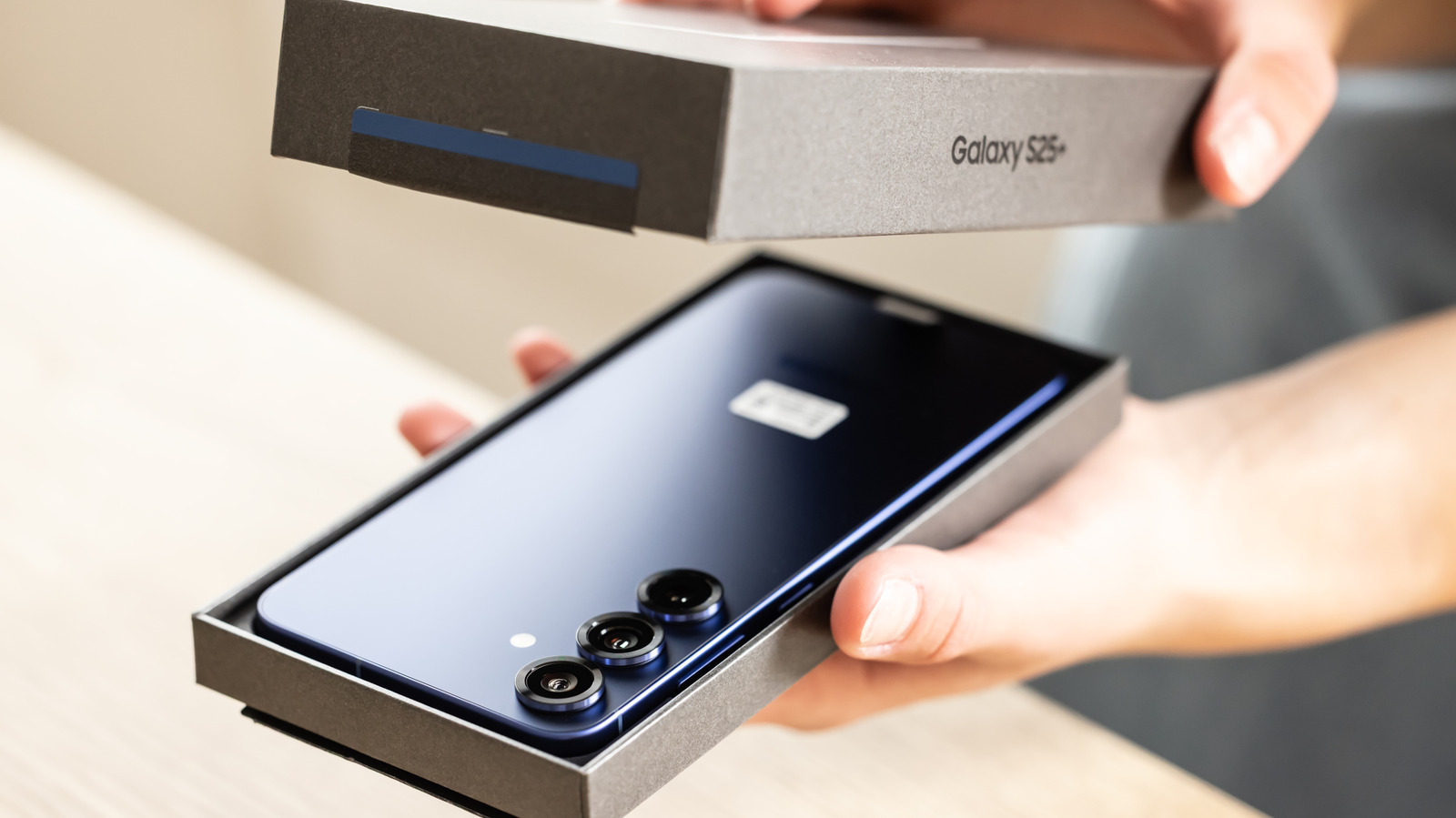
Quick context before the detail: samsung’s next gen phones might be getting a major audio upgrade sits at the intersection of a few real-world decisions most readers face at some point. Here is a clear summary of what is going on, and why it matters.
Harman completed the acquisition of several hi-fi audio brands in 2025, including the likes of Denon, Marantz, Polk, Definitive Technology, and Bowers & Wilkins. The acquisition was just the latest in a string of them seen over the years, which brings even more high-end audio brands under the wider Samsung umbrella, as Harman is a subsidiary of the Korean tech giant. The deal was closed in September 2025, and Samsung has since shared plans to bring the expertise of these audio brands to its other devices, including its smartphones, which could help herald in a major audio upgrade for Samsung phones on the whole.
This is a major move for Samsung, which has been less aggressive about advertising its audio brands as being attached to the parent company beyond utilizing the technology they are known for within some of its other products. Instead, the company has mostly utilized the know-how and expertise of its previously owned companies — including JBL, which remains a favorite of Amazon shoppers — to improve the sound tuning and overall capabilities of phones like the S26 Ultra, as well as its laptops, tablets, and even its wireless headphones and soundbars.
Now, the company says it plans to do the same with technology from Bowers & Wilkins, Marantz, and Denon. And these are not small names. The brands that Samsung has added to its collection remain some of the most well-known in the audio industry, all with storied histories. Marantz reportedly created one of the first mass-adopted CD players in the 1980s.
The acquisition brings a lot to the table for Samsung
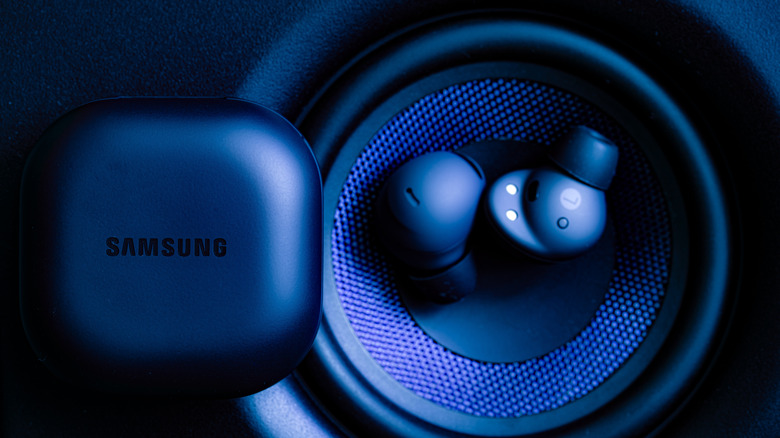
While the acquisition officially closed in 2025, Samsung still hasn’t advertised much about its use of tech from Bowers & Wilkins or any of the other brands it picked up as part of this deal. However, that isn’t all that surprising, especially since the deal didn’t officially close until just before the end of the year. As such, there’s unlikely to be much change across Samsung devices until 2027 at the earliest. Regardless, there’s no guarantee of how Samsung will incorporate this tech.
That’s because when companies bring in new brands and technology, they need to find a way to incorporate those technologies efficiently. Samsung was likely already working on how its 2026 devices would look and work. So, it would make sense for consumers to not see the fruits of this deal until it’s next generation of devices. However, companies tend to operate on their own timelines, and that means finding a way to incorporate the technology and know-how that Bowers & Wilkins bring to the table, as well as finding ways to license those technologies out to other brands — something Samsung has been doing with its audio brands for years.
It will be interesting to see how Samsung uses the knowledge and technology these new brands bring to the table to help upgrade its audio experiences across future devices. The company remains the top-rated Android phone in customer satisfaction, so these changes may pull in even more fans to the brand.
